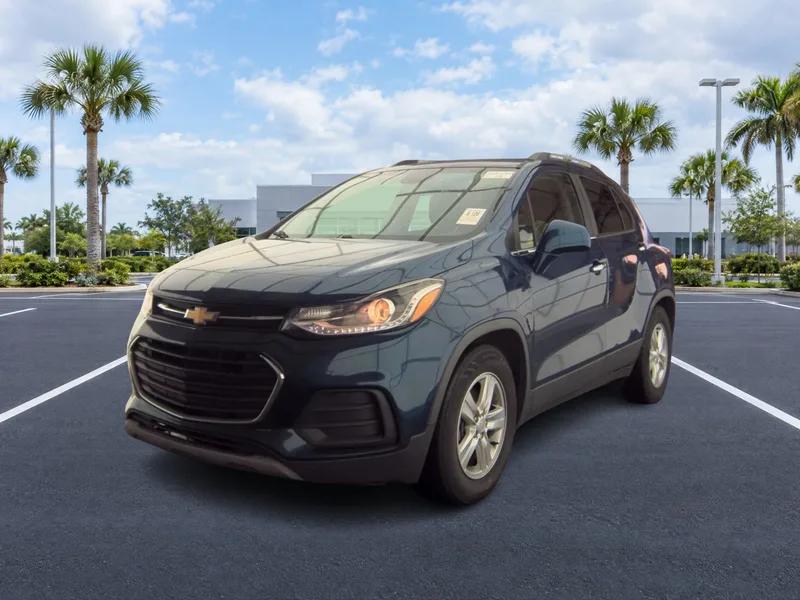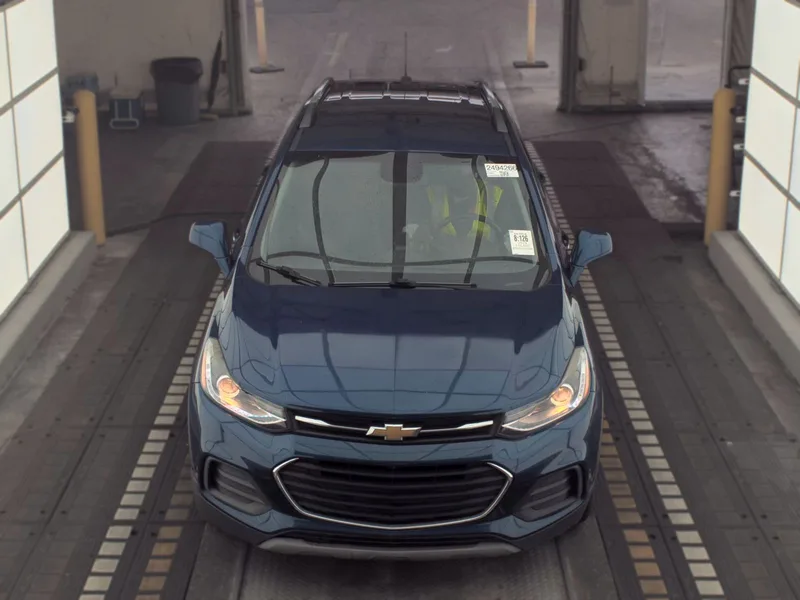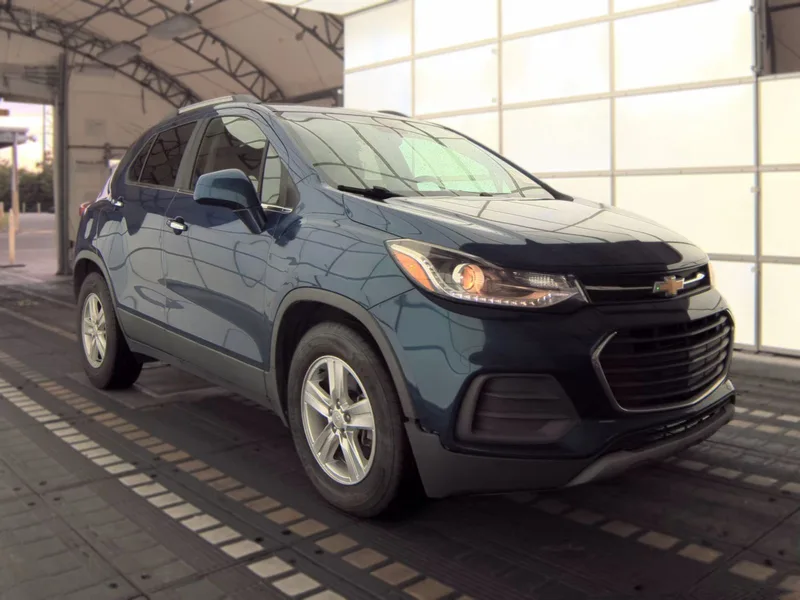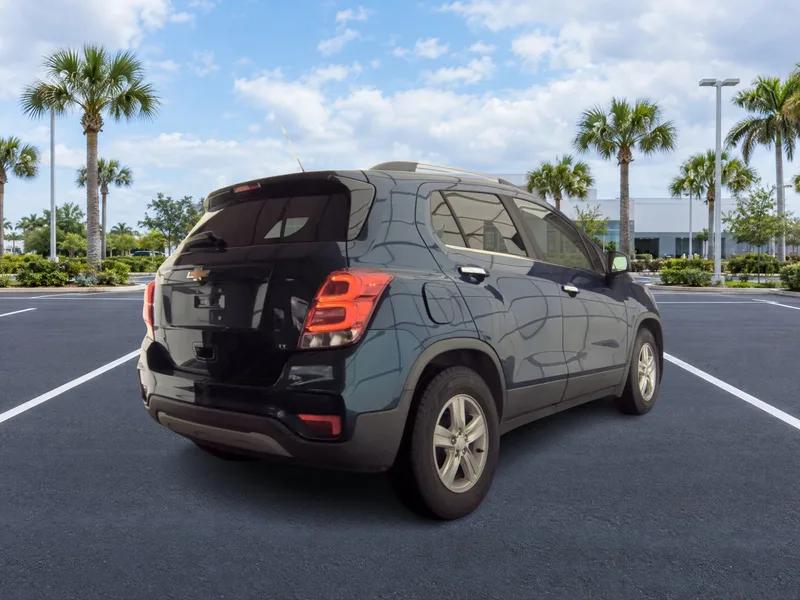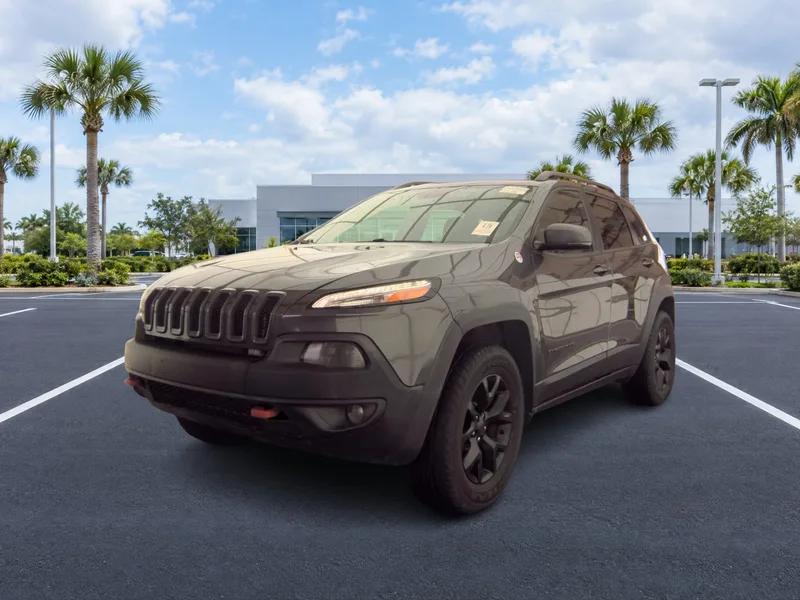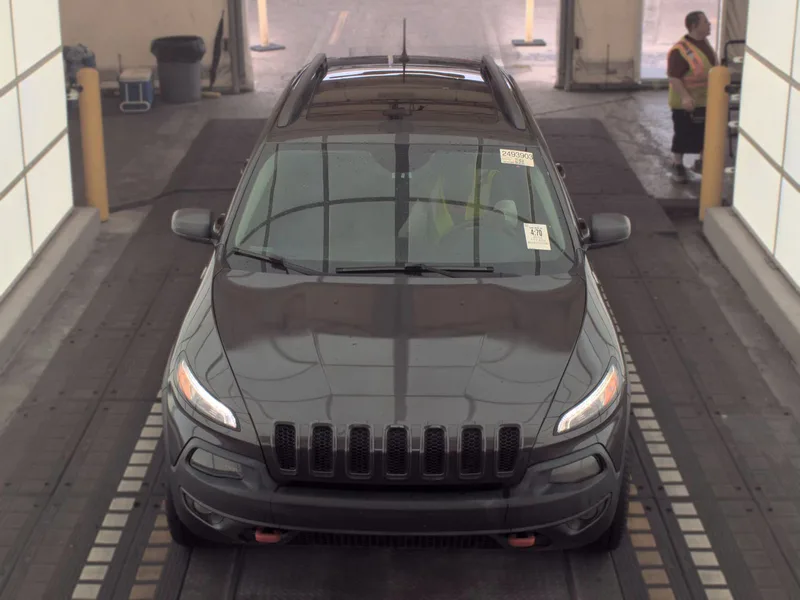
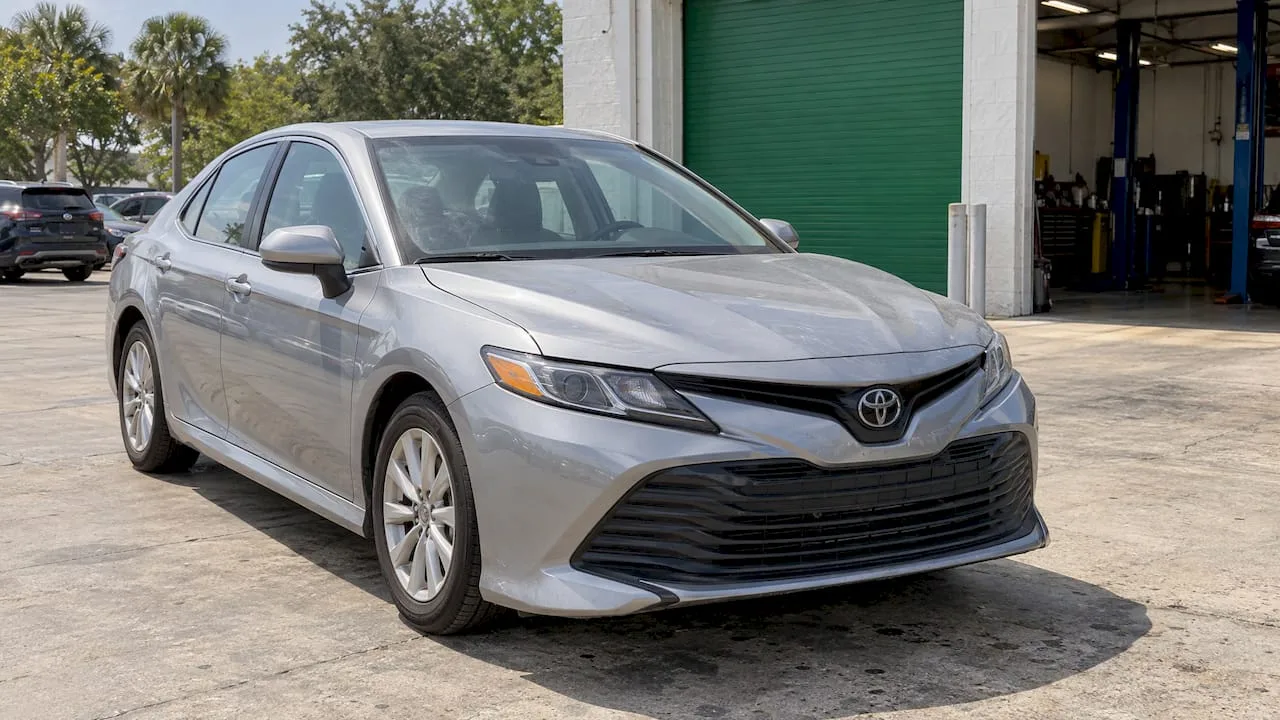
A former rental car can be a good buy, but only if the price makes up for the extra miles and the unknown driving history, and only if you verify the car before you pay. The upside is a newer model at a lower price. The downside is that a rental can pile up miles fast and be driven by dozens of people. Below we lay out both sides, show you the mileage math, and give you a short routine to follow so you know what you are really buying.
TL;DR
- Former rentals are usually newer and often cheaper than comparable used cars, and many come with maintenance records.
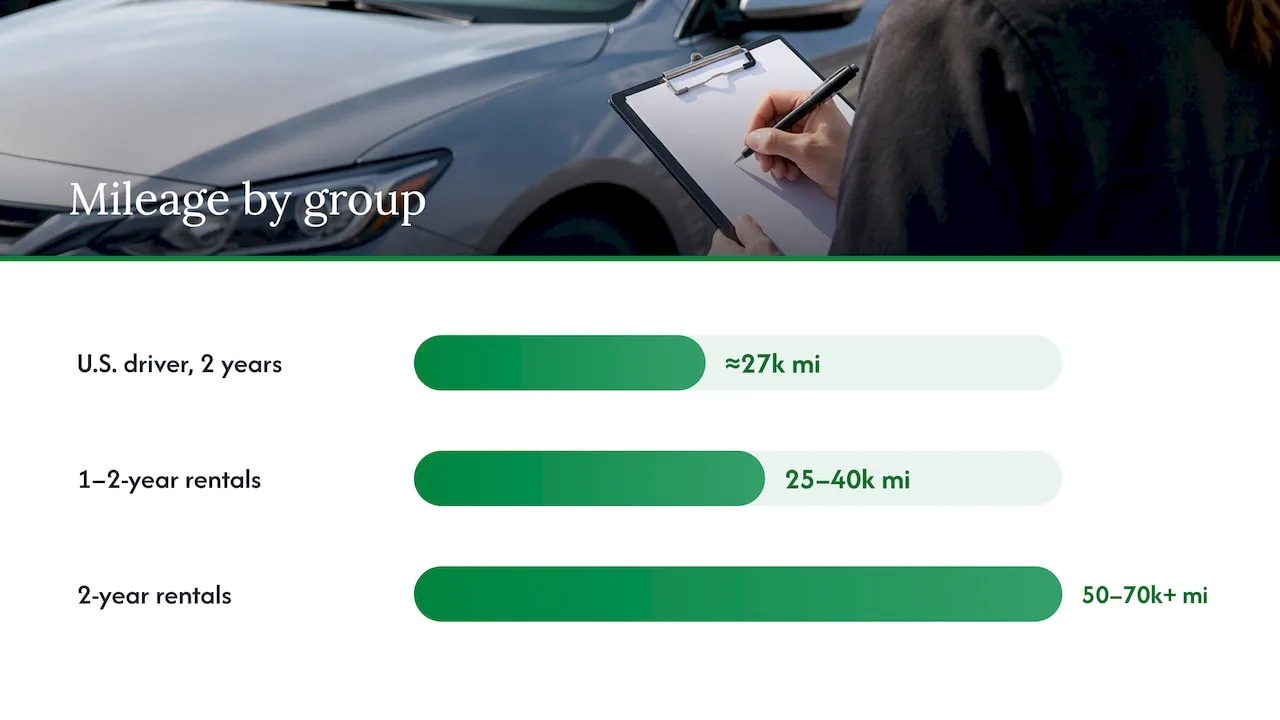
- Expect more miles than average. A two-year-old rental can carry 50,000 to 70,000 miles or more, versus roughly 27,000 for a typical driver.
- Resale value is usually lower, so a former rental fits best if you plan to keep the car a long time.
- Always get a vehicle history report and a hands-on inspection. A clean report alone does not prove a clean car.
- In Florida, used cars are not required to carry a warranty and there is no used-car lemon law, so your protection is what you check before signing.
Table of Contents
- What a former rental car actually is
- The pros of buying a former rental car
- The cons of buying a former rental car
- The mileage math: is the discount big enough?
- When a former rental is a good fit, and when to look elsewhere
- How to check a former rental car before you pay
- How to spot a lemon
- What about electric ex-rentals?
- A simpler way to get a car you can trust
- FAQ
- Sources
What a former rental car actually is
A former rental (also called an ex-rental, a fleet car or a "program car") is a vehicle a rental company ran for a year or two, then sold. Rental companies buy cars in volume at a discount, and Edmunds notes they can often sell them for 10% or more below a traditional dealer, depending on the vehicle.
That is where the appeal comes from. It is also where the questions start: who drove it, how hard, and how many miles are on it? The honest answer to "are rental cars good to buy" is that it depends on the individual car, not on the label.
The pros of buying a former rental car
1. The car is usually newer. Fleets turn over quickly, so you can often find a model that is only a couple of years old, with current safety features and technology. CarGurus lists newer models and recent tech as a main draw for buyers on a budget.
2. The price can be lower. Because of volume discounts and the stigma many shoppers attach to rentals, prices are often competitive. Consumer Reports found a wide selection of used rental cars under $20,000. For a first-time buyer stretching a budget, that matters.
3. Maintenance is often on record. Fleet cars are generally serviced on a schedule because the company needs them on the road. That can give you a more complete service history than a private seller who changed oil whenever they remembered.
4. Recalls should be handled. Since June 2016, rental companies have been required to fix recalled cars in their fleets before renting them out. You should still check the VIN for open recalls, but that rule is a real point in the category's favor.
5. Some programs add coverage. Sales programs run by major rental companies commonly include a 12-month/12,000-mile limited powertrain warranty at no added cost. Read the terms: that coverage usually does not extend whatever is left of the manufacturer's warranty.
The cons of buying a former rental car
1. The miles add up quickly. The average U.S. driver covers about 13,476 miles a year, or nearly 27,000 over two years, while most two-year-old rental cars on the big rental companies' sales sites show 50,000 to 70,000 miles or more. CarGurus puts many one- or two-year-old rentals at 25,000 to 40,000 miles, so the range is wide. The point is that a low model year does not mean low mileage.
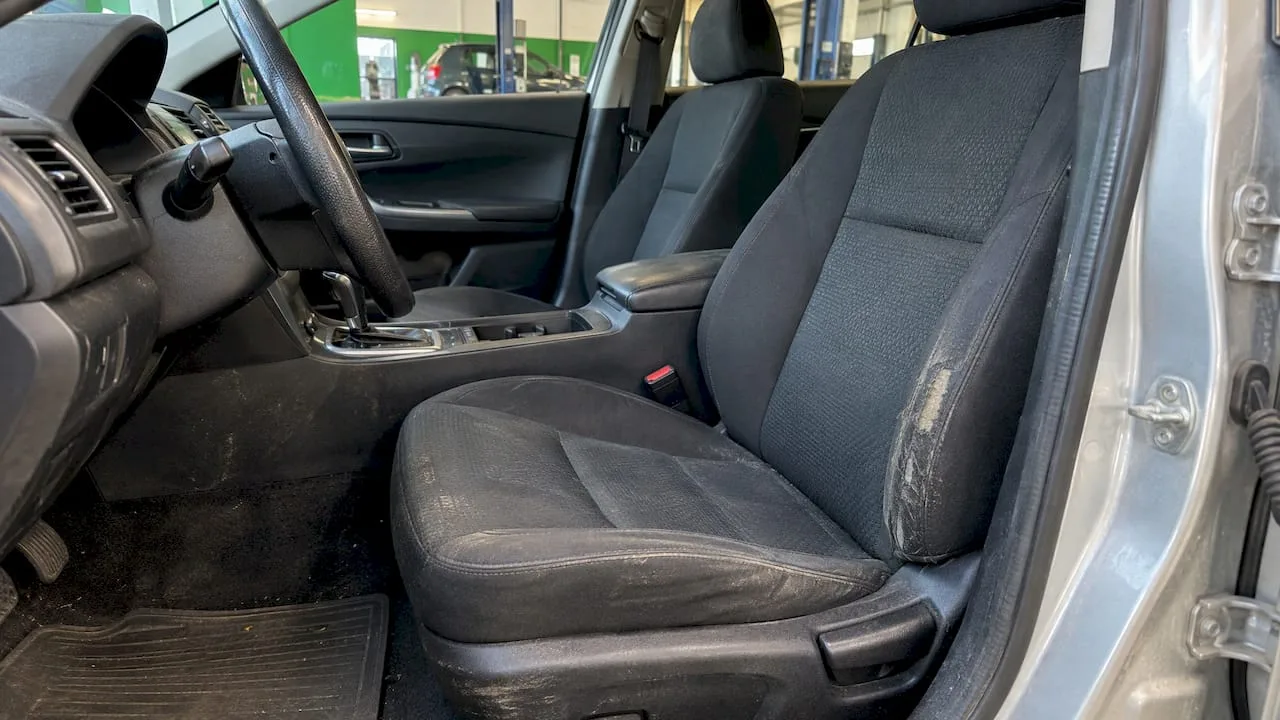
2. Wear can be uneven. A rental is driven by many people who have no reason to baby it. Look for scuffed interiors, curb-rashed wheels and tired seats.
3. The driving history is unknown. Edmunds, in an AP News report, lists uncertain driving history among the main cons, along with high mileage and a car that may already be out of factory warranty.
4. The trim level is often basic. Fleet cars tend to be lightly optioned base models. If you want leather, a premium sound system or a sunroof, you may not find it.
5. Resale value is lower. CarGurus explains that shoppers are wary of former rentals, and rental companies sell large numbers of the same model at similar mileage, which pushes prices down. If you plan to trade in within a few years, you may get less back. If you plan to drive the car for a decade, that matters much less.
The mileage math: is the discount big enough?
Here is a simple way to judge a deal. Say a two-year-old rental has 55,000 miles. A typical two-year-old used car has closer to 27,000. That is about 28,000 extra miles, or roughly two more years of normal driving. So you are really buying a four-year-old car's wear in a two-year-old's body.
Now compare the asking price with a similar car of the same age and trim with normal mileage. Ask yourself:
- Is the price lower by enough to cover the extra wear?
- Are the tires, brakes and battery near the end of their life? Replacing those is real money.
- Does any factory warranty remain, and does it transfer to you?
If the discount is thin, the car is not a bargain. It is just an older car. For help judging what the miles mean, see our piece on highway miles versus city miles. Rental cars often log a lot of highway miles, which are generally easier on a car than stop-and-go driving.
When a former rental is a good fit, and when to look elsewhere
A former rental tends to make sense when:
- You want a newer model on a tight budget.
- You plan to keep the car for many years, so resale value is not a concern.
- The car has complete service records and passes an inspection.
- You are comfortable with a basic trim level.
It is often smarter to look at other used cars when:
- You expect to trade in within two or three years and want maximum cash back.
- You want specific options or a specific color.
- Clark Howard points out that today's fleet vehicles can carry far more miles and suffer neglect, and repair costs can erase the savings.
- The car came from a fleet you would not have rented from yourself. A Consumer Reports member survey found one in four respondents had received a rental car with mechanical or maintenance problems, and the magazine advises that if you would hesitate to rent from a company, you should reconsider buying from its used fleet.
How to check a former rental car before you pay
The same routine applies to any used car, but it matters more with a rental because you cannot ask the previous owner anything. Do these in order.
Run the VIN through two history sources. Consumer Reports recommends checking at least two types of report: a paid Carfax or AutoCheck report plus a free VINCheck from the National Insurance Crime Bureau or a report that draws on NMVTIS. Our guide to reading a vehicle history report walks through what each line means, and our five-step title check covers NMVTIS, the national database of vehicle titles.
Do not stop at a clean report. Rental companies are generally self-insured, so accident claims they handle in-house may never reach Carfax. A clean report means no reported problems, not no problems.
Ask for the maintenance records. Oil changes, tire rotations and brake work should show a pattern. Gaps on a car with 60,000 miles are a reason to slow down.
Check for open recalls. Use the VIN on the manufacturer's recall lookup, even though rental fleets are required to fix them.
Walk the car in daylight. Look for mismatched paint, uneven door gaps and chips on the dash. The Utah DMV lists these as signs of past damage, and they apply anywhere. Inside, check the steering wheel, seat bolsters and rear door cards for heavy wear.
Take a real test drive. Cold start, highway speed, hard braking, parking-lot turns, every button. Use our test drive checklist so you do not forget anything.
Get it inspected by a mechanic. A mechanic on a lift sees leaks, worn suspension parts and rust you cannot. A used car buying checklist is a good companion when you do your own walk-around before the inspection.
Read the warranty in writing. Confirm what is covered, for how long, and whether it covers only the powertrain (engine, transmission and drive parts). Confirm whether any factory warranty is transferable to you.
How to spot a lemon
A lemon is a car with a serious defect that keeps coming back. Here is what makes the question tricky in Florida: the state's motor vehicle agency says there is no lemon law for used cars, and used vehicles are not required to have a warranty. That makes your pre-purchase checks your main protection.
Warning signs on any used car, rental or not:
- A dealer or seller who will not let you get an independent inspection.
- A history report showing title brands, odometer problems or repeated ownership changes in a short time.
- Warning lights, a transmission that slips or shudders, or a burning smell during the drive.
- Fresh undercoating or detailing that hides leaks.
- A price far below the market with a vague explanation.
If something feels off, walk away. There is always another car. Our used car inspection checklist for Florida buyers covers Gulf Coast issues such as flood damage and corrosion, which matter here more than in many other states.
What about electric ex-rentals?
Some of the cheapest former rentals lately are electric cars. Ars Technica reported that ex-rental Teslas may have been used for ridehailing, with odometers approaching 100,000 miles. The same report found battery degradation is usually limited to 4 to 5 percent capacity loss, and that buyers should expect wear on the steering wheel and rear door cards. The lesson is the same: check the mileage and the interior, not just the price.
What we tell buyers about ex-rentals
We are a small independent dealer in Clearwater, and our approach is simple: you should know exactly what you are buying before you pay for it. Every car we list is hand-inspected and comes with a history report, and the price is on the listing with no hidden fees.
That is why we think the label on a car matters less than the car. A former rental with honest records and a fair price can be fine. A privately owned car with a fuzzy past can be worse. What protects you is the inspection, the history and a person who will answer your questions.
If a former rental is what you have your eye on, tell us. We can look for a specific vehicle on request, so you only see cars that match what you asked for. And every inquiry is answered by a real person, not a call center.
CL Auto
A simpler way to get a car you can trust
Shopping for a used car should not mean decoding fleet histories on your own. At Clearwater Largo Automotive, every vehicle is hand-inspected and has its history report reviewed before it is listed, and the price you see is the price on the listing. Browse our hand-picked used cars, or look through used cars in Clearwater, FL.
If you want a certain model, mileage or budget, use our vehicle sourcing service and we will look for it. If you need a loan, our financing page explains how we work with multiple lenders. Get the details in our article on buying a used car in Clearwater.
FAQ
Are rental cars good to buy?
They can be. You often get a newer car at a lower price, with service records and sometimes a limited warranty. The trade-offs are higher mileage, uneven wear and lower resale value, so a clean history report and an inspection decide whether a given car is worth it.
Should you buy a rental car if you plan to keep it a long time?
Long-term ownership is where a former rental makes the most sense, since lower resale value matters less if you are not selling soon. Confirm the powertrain coverage and check the tires, brakes and battery, because those wear items may be near replacement.
Is a former rental car's history report enough?
No. A report only shows what was reported. Because rental companies are generally self-insured, some accident claims may never appear. Pair the report with a mechanic's inspection.
Does Florida give me a way to return a used car?
Not automatically. Florida has no lemon law for used cars, and used vehicles are not required to have a warranty. The FTC also warns that federal law does not require a three-day cancellation period. Check the return and warranty terms in writing before you sign.
Sources
- The Pros and Cons of Buying a Rental Car, CarGurus
- Buying a Rental Car: Know the Pros and Cons, NerdWallet
- Should You Buy a Used Rental Car?, Consumer Reports
- Are You Buying Trouble if You Buy a Rental Car?, Edmunds
- Edmunds: Should you buy a rental car?, AP News
- Is It a Good or Bad Idea To Buy a Rental Car?, Clark.com
- How Reliable Is Carfax?, CarEdge
- Utah's buyer beware status, KSL.com
- Used Teslas are getting very cheap, Ars Technica
- Buying from a Licensed Dealer, Florida Department of Highway Safety and Motor Vehicles
- Buying a Former Rental Car?, ok.com