1.8%–5% Premium: Certified Pre Owned vs Used, Dealer View
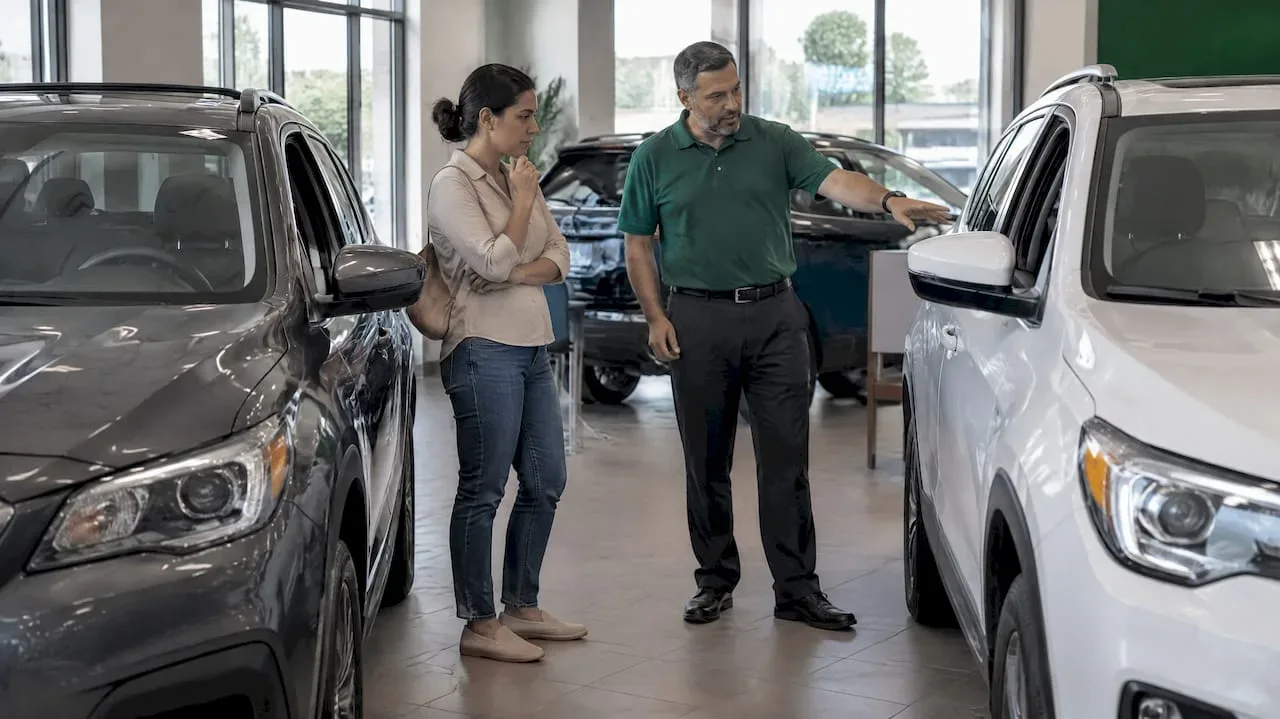
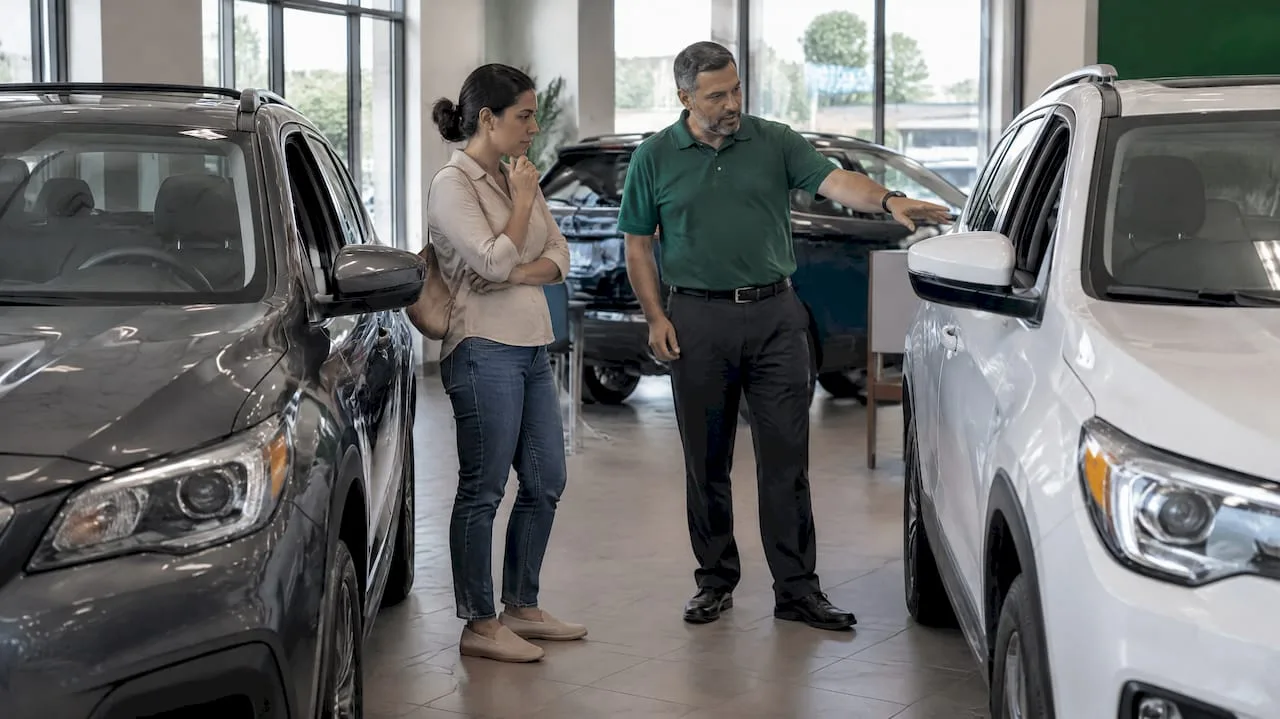
Certified pre-owned (CPO) cars are used cars that typically cost a bit more but include added inspection and warranty coverage, which makes them worth the premium when you want backed-up peace of mind over the absolute lowest price. A standard used car can save you money upfront, but you take on more of the research yourself. The sections below walk through the warranty details, the real cost gap, and the exact checks that protect you either way.
TL;DR:
- Certified pre-owned cars usually include a multipoint inspection, reconditioning, extended warranty, and roadside assistance, but standards vary by issuer.
- Manufacturer-backed CPO programs generally offer stronger coverage and dealer access than dealer-specific certifications, impacting warranty reliability.
- The typical price premium for a CPO vehicle ranges from 1.8% to 5%, which may be justified by lower repair costs and better resale prospects.
- Extensive pre-purchase checks, including VIN recalls, vehicle history, and independent inspections, are essential regardless of certification status.
- Buyers should consider their ownership plans and trusted mechanics when choosing between CPO and regular used cars, especially for high-mileage or older vehicles.
Table of Contents
- What certified pre-owned actually means
- Warranty and coverage: what CPO usually includes vs what used cars typically have
- Cost and value: the CPO premium and when it pays off
- Inspection, vehicle history, and safety checks every buyer should run
- Who should choose CPO and who should buy a regular used car
- Step-by-step buying checklist and questions to ask the dealer
- How we apply inspection and transparency at CL Auto
- Clearwater Largo Automotive: hand-inspected used cars without the guesswork
- FAQ
- Sources
What certified pre-owned actually means
"Certified pre-owned" is not one single standard. It is a label that different manufacturers and dealers apply to vehicles that pass a set inspection process and come with extra coverage, but the rules behind that label change depending on who is doing the certifying.
Most factory CPO programs set limits on age and mileage, often capping eligible vehicles at five to six model years old or under a mileage ceiling. A car that has already racked up high miles or sat on the road for a decade usually will not qualify, no matter how well it has been maintained.
Here is where it gets confusing for buyers: there is a real difference between manufacturer-backed CPO and dealer-specific "certified" labels. A manufacturer-backed program is run and funded by the automaker, uses a standardized checklist, and is honored at dealerships across the brand's network. A dealer's own certification, on the other hand, is created in-house. It might be thorough, or it might just be a sticker with looser standards behind it. Industry coverage notes that manufacturer-backed programs generally offer stronger coverage and wider service access than dealer-specific versions, so it pays to ask which type you are looking at before you assume anything about the warranty.
What typically comes bundled into a real CPO package:
- A multipoint inspection covering mechanical, electrical, and safety systems.
- Reconditioning work to fix anything that fails that inspection.
- An extended warranty that picks up where the factory warranty left off.
- Roadside assistance for a set period or mileage window.
Knowing which of these four pieces you are actually getting, and from whom, matters more than the word "certified" on the window sticker.
Warranty and coverage: what CPO usually includes vs what used cars typically have
A regular used car, once the original factory warranty runs out, is often sold "as is." That means if something breaks the week after you drive off the lot, it is your repair bill. A CPO vehicle generally extends coverage further, sometimes adding a year or two and several thousand miles beyond the standard warranty, plus a separate powertrain warranty that can run longer.
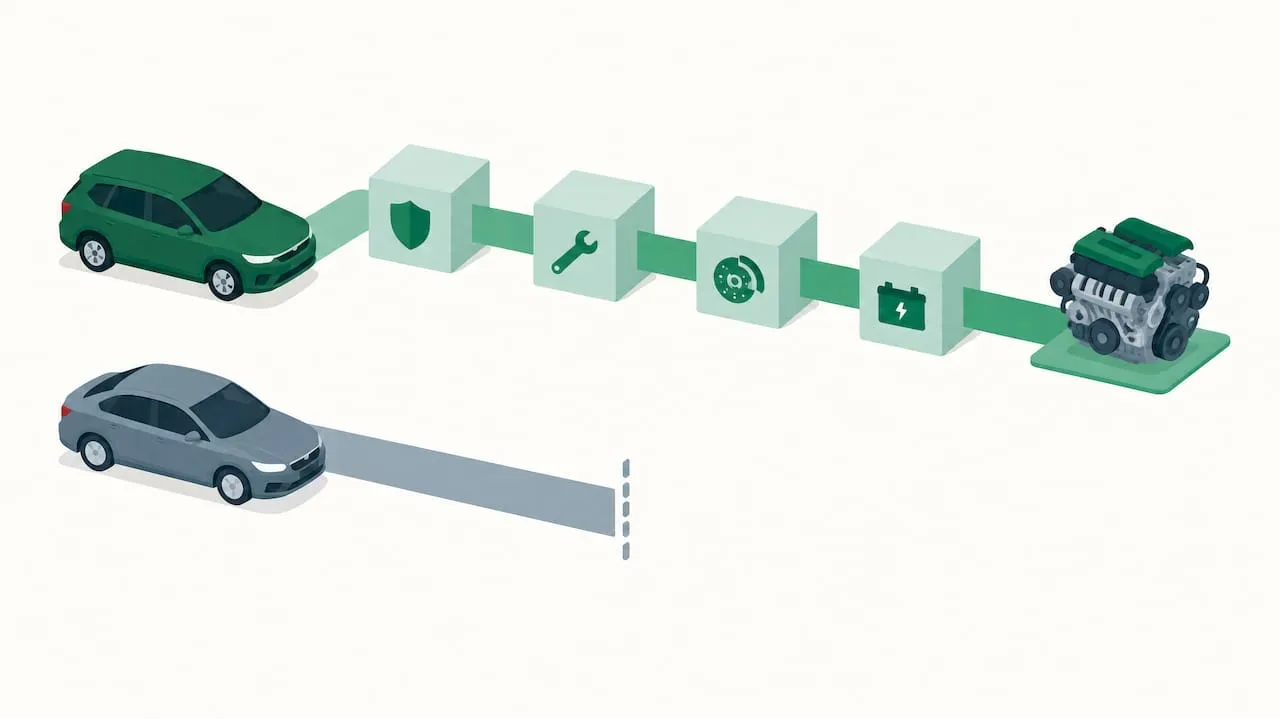
There is a catch worth knowing before you fall in love with a CPO sticker: many manufacturer-backed warranties require that covered repairs happen at an authorized dealer within that brand's network. That is fine if you live near a dealer and do not mind dealership labor rates, but it limits your options compared to an independent mechanic you already trust.
Federal rules matter here too. The FTC Buyers Guide must be posted on every used car for sale, and it spells out whether that specific car is being sold "as is" or with some form of warranty. This disclosure carries legal weight: if the posted Buyers Guide promises a warranty, that promise can override contradictory language buried in the sales contract. Always get a copy, and make sure any changes a salesperson promises verbally are written on that guide or added to the contract.
A documented edge for CPO buyers: Consumer Reports' analysis found that vehicles bought as certified pre-owned had notably fewer reported problems than other used cars, along with higher owner satisfaction. That gap is a reasonable way to think about what the CPO premium is buying: insurance against the kind of early ownership repairs that show up most often in the first year or two.
Before you sign anything, check these fine-print details:
- Whether the extended warranty transfers if you sell the car before it expires.
- What specific components are excluded (wear items like brake pads and tires almost always are).
- Whether roadside assistance requires enrollment or activates automatically.
- Whether the warranty is honored nationwide or only at the selling dealer.
Cost and value: the CPO premium and when it pays off
Here is the number that matters most when you are deciding: according to Kelley Blue Book, certified pre-owned vehicles typically command a modest price premium over comparable non-certified used models, with the exact gap depending on the make, model, and dealer.
That range gives you a real number to weigh against the warranty coverage and inspection work you are getting in return.
The smarter way to think about that gap is total cost of ownership, not just the sticker price. A used car that is $1,000 cheaper up front can cost you more over three years if it needs a transmission repair that a CPO warranty would have covered. Factor in:
- Likely repair costs based on the vehicle's age, mileage, and known reliability issues.
- Insurance rates, which can shift based on the vehicle's certification status and condition.
- Resale value, since a documented CPO history can make the car easier to sell later.
The premium tends to be money well spent in specific situations: a low-mileage vehicle that is right at the edge of its factory warranty, or a model from a brand with known reliability concerns where extended coverage genuinely reduces your risk. On the other hand, if you are buying a vehicle from a brand with a strong reliability reputation and you plan to keep it well past the warranty window anyway, the extra cost buys you less peace of mind per dollar.
Inspection, vehicle history, and safety checks every buyer should run
Whether you are looking at a CPO vehicle or a plain used one, there are checks you should never skip. None of them cost much, and some are free.
- Run a VIN lookup at NHTSA's SaferCar system. This search is free and pulls open recall data straight from manufacturers.
- Confirm any open recalls get fixed before you buy. Manufacturers are required to repair safety recalls at no cost to you, so there is no reason to accept a car with unresolved recall work.
- Pull a full vehicle history report. These reports show accident records, title brands, and ownership history, but they do not catch every mechanical issue a car might have.
- Schedule an independent mechanical inspection, even on a CPO car. A history report tells you what happened on paper; a mechanic tells you what is happening under the hood right now.
- Watch for red flags like inconsistent mileage records, a salvage or rebuilt title, or an inspection that turns up fluid leaks and worn suspension components the seller did not disclose.
Pro Tip: Book the independent inspection before you negotiate price, not after. A mechanic's findings give you real leverage to ask for a lower number or a repair credit.
Our recent post on hidden fees covers another layer of this same transparency problem: the sticker price is never the whole story, and the same instinct to double check applies to warranty claims as much as fees.
Who should choose CPO and who should buy a regular used car
The right answer depends less on the car and more on how you plan to own it.
- CPO tends to fit you well if you plan to keep the car for a shorter ownership window and want resale value protected by a documented certification history.
- CPO tends to fit you well if you rely on dealer service and would rather pay a bit more than handle an unexpected repair bill yourself.
- A regular used car tends to fit you better if you are paying cash and want to put every available dollar toward the lowest purchase price.
- A regular used car tends to fit you better if you already use an independent mechanic you trust and do not need the warranty network a CPO program ties you to.
- CPO rarely applies at all once a vehicle passes the age or mileage ceiling most programs set, which pushes older or higher-mileage cars into the standard used market by default.
If you are shopping for a first car for a teen driver or weighing a tight monthly budget, the math often favors a well-inspected used car over paying for certification you may not use. Our guide to buying a first car walks through that budget-first approach in more detail.
Step-by-step buying checklist and questions to ask the dealer
Walking onto a lot, or into an online listing, prepared changes the entire conversation. Here is the order to work through:
- Verify the VIN on the dashboard, door jamb, and title all match, and run it through NHTSA's recall lookup.
- Drive the car on both highway and stop-and-go roads, checking brakes, steering alignment, and any dashboard warning lights.
- Ask for maintenance records, not just a history report, to see whether oil changes and major services happened on schedule.
- Request full CPO program documentation if the car is advertised as certified, including which entity (manufacturer or dealer) backs the warranty.
- Read the warranty contract line by line, especially exclusions and where covered repairs must be performed.
- Confirm the posted FTC Buyers Guide matches what the salesperson is telling you verbally.
- Negotiate with the premium in mind: if a CPO car is priced well above the typical 1.8% to 5% range, ask what justifies the gap or push for a lower number.
Pro Tip: If a dealer won't let you take a car to an independent mechanic before you buy, treat that as a red flag and walk away.
Beyond the inspection itself, it helps to know what a legitimate pre-purchase check actually covers. This guide to pre-purchase inspections breaks down what a certified technician checks and why it is worth doing even on a vehicle marketed as certified. Our own local buying checklist covers nine specific things to check before you pay, which pairs well with the steps above.
How we apply inspection and transparency at CL Auto
We built our approach around a simple frustration we kept hearing from buyers: too many dealerships hide the price until you're already in the finance office, and too many "inspections" turn out to be a quick glance under the hood. We do it differently. Every vehicle we list gets a thorough inspection and a documented history report before it ever goes up for sale, and the price on the listing is the price, with no hidden fees tacked on later.
We also believe a transparent independent dealer can be a real alternative to a factory CPO program for buyers who care more about seeing the full picture than about a brand-name certification sticker. When you ask us about a car, you get a real answer from a real person, not a script read off a call center floor. If a car on our lot was repaired for something significant, we tell you, the same way we explain our stance on salvage and rebuilt titles to anyone considering that route.
That is the trade we offer: fewer letters on a certification sticker, more documentation in your hands before you decide.
— CL Auto
Clearwater Largo Automotive: hand-inspected used cars without the guesswork
If the CPO premium feels like more than you want to pay, but you still want confidence in what you are buying, that's the gap we fill. We hand-pick every used car on our lot, inspect it thoroughly, and post the price with no hidden fees attached. You see one number, and that number is the one you pay.
Looking for something specific? Our vehicle sourcing service lets you tell us exactly what you want, down to the trim and mileage range, and we go find it rather than showing you whatever happens to be on the lot. We also work with multiple lenders through our financing options if you need help structuring a payment that fits your budget, and if you're selling a car rather than buying one, our we buy cars program is worth a look too.
Ready to see what's available? Browse our current inventory and reach out with any questions. A real person will answer, not a script.
FAQ
Is it better to buy certified pre-owned?
CPO tends to be the better choice when you want extended warranty coverage and documented inspection history, and when you plan to use dealer service networks. If you are budget-focused, pay cash, or already trust an independent mechanic, a well-inspected regular used car can be the smarter buy.
Is 200,000 miles bad for a used car?
A vehicle with 200,000 miles can still run reliably if it has been well maintained, but it will almost certainly fall outside the mileage limits most certified pre-owned programs set for eligibility. At that mileage, an independent mechanical inspection matters more than ever before you commit to buying.
What's the point of certified pre-owned?
The point of CPO is risk reduction: Consumer Reports found that CPO vehicles had about 14% fewer reported problems than other used cars, which is why many buyers accept a modest price premium in exchange for that added reliability and warranty backing.
Is preowned the same as certified pre-owned?
No. "Pre-owned" is simply another term for a used car, while "certified pre-owned" means that vehicle passed a specific inspection process and comes with added warranty coverage, either from the manufacturer or the dealer. The certification is what separates the two terms, not the age or condition of the car itself.
Sources
- Buying used vs. certified pre-owned: Which is better? — Kelley Blue Book
- Recalls — NHTSA
- The truth about certified pre-owned cars — Consumer Reports
- CPO vs used vs new warranties compared — Car and Driver