
97 Dealerships Warned: How U.S. Car Buyers Beat Hidden Fees

Most fees added after the sticker price are dealer-controlled, and many are negotiable or outright removable. Only sales tax, title and registration, and the manufacturer's destination charge on new cars are truly fixed. Before you sit down in finance, get a written, itemized out-the-door price. That single request does more to protect you than anything else in this guide.
TL;DR:
- Most dealer-added fees, such as documentation, dealer prep, and protection plans, are negotiable or avoidable, but taxes and manufacturer charges are fixed.
- Getting a written, itemized out-the-door price before signing reduces the risk of hidden fees and ensures transparency throughout the buying process.
- Dealer markup fees like market adjustment and advertising fees often have no real value and can be contested or refused.
- Checking state regulations and making outside preapprovals helps prevent inflated fees and limits dealer control over added charges.
- Reading the contract carefully and confirming all charges are in writing before signing is crucial to avoid unwelcome costs after purchase.
Table of Contents
- Quick Checklist: Fees To Always Question Or Refuse
- What Are Legitimate Fees Versus Dealer-Added Charges?
- How Do You Avoid Hidden Fees Before Signing?
- Do States Cap Doc Fees, And Who Enforces These Rules?
- What Financing Traps Should You Watch For?
- What Does A Transparent Dealer Actually Do Differently?
- Why Out-The-Door Pricing Should Be Non-Negotiable
- See Transparent Pricing In Action
- Where To Verify These Facts Yourself
- Sources
- FAQ
Quick Checklist: Fees To Always Question Or Refuse
Print this list or save it on your phone before you walk into any showroom. These are the charges most likely to inflate your final bill without adding real value.
- Doc fee (documentation/processing): covers paperwork, but the amount varies wildly by dealer and state.
- Dealer prep or reconditioning: ask for the repair order; if there's no documented work, contest it.
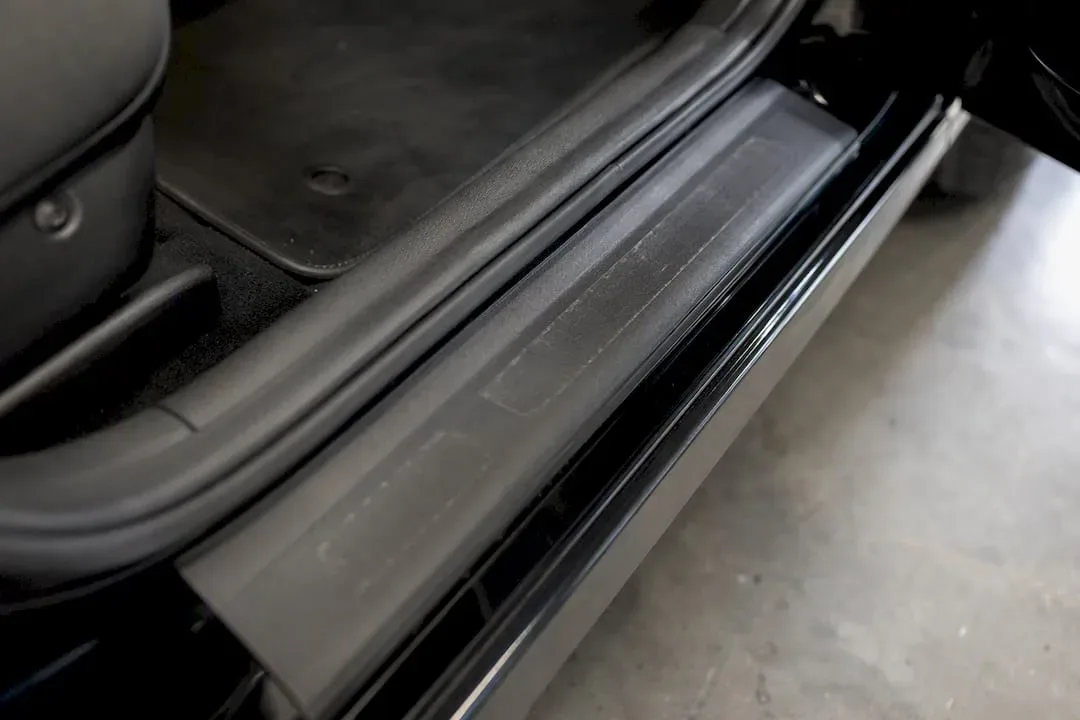
- VIN etching, paint protection, fabric protection, ceramic coating: high-margin add-ons you can usually decline outright.
- Nitrogen tire fill and wheel/tire protection plans: rarely worth the markup over plain air or a tire shop's own coverage.
- GAP insurance and extended warranties sold at dealer markup: often cheaper through your own bank or credit union.
- Market adjustment (ADM) and advertising fees: pure profit padding with no service behind them.
Every item on that list is something a dealer chose to add. None of it is required by law.
What Are Legitimate Fees Versus Dealer-Added Charges?
Government and manufacturer charges are non-negotiable because someone other than the dealer sets them. Sales tax follows your state's rate, which you can check against state sales tax data from the Tax Foundation. Title and registration fees go straight to your state's motor vehicle agency. On new cars, the manufacturer sets the destination charge, and it's the same no matter which dealer sells you the car.
Everything else on the contract is a different story. The documentation fee, often called a "doc fee," pays for paperwork processing, but dealers set that number themselves, and it can range from under $100 to several hundred dollars depending on the state and the dealer. Dealer-installed add-ons follow the same logic: the dealer buys the product wholesale and marks it up before it ever reaches your invoice.
The markups can be steep. Consumer Reports has flagged VIN etching, paint protection, and fabric protection as some of the worst offenders, noting that dealers frequently sell these unnecessary car-buying add-ons at prices far above their actual cost. A VIN etching kit that costs a dealer a few dollars in materials can show up on your bill for $200 or more. Paint protection packages marketed as premium coatings often ring up in the hundreds, even when the product amounts to a bottle of sealant. According to OTDCheck's breakdown of dealer fees, buyers commonly face $1,200 to $2,500 in combined dealer-added charges on a single purchase. Market adjustment fees, sometimes labeled ADM, are simply extra profit tacked on when a dealer decides demand allows it.
How Do You Avoid Hidden Fees Before Signing?
Fee-avoidance starts well before you walk onto the lot, and it continues through the moment you sign. Treat it as a three-stage process.
- Before you go: Get preapproved financing from a bank or credit union so you have a rate to compare against the dealer's offer. Request a written out-the-door quote by phone or email before you visit, and run a VIN price check to see what similar vehicles are selling for.
- At the lot: Ask for an itemized OTD quote that lists every charge by name. Refuse any add-on you didn't request, and say so clearly the first time it comes up. Ask for a printed contract rather than signing on a tablet or electronic device, since FTC consumer guidance has documented cases where electronic contracting hid terms buyers never agreed to.
- At signing: Read every line before you sign anything. Cross out items you didn't approve, ask for an updated OTD total after any change, and be ready to walk away if the dealer won't remove a charge.
Pro Tip: If a dealer says the doc fee is capped by state law and can't be lowered, ask them to offset it with an equal reduction in the vehicle price instead. Get that offset written into the buyer's order, not just promised verbally.
Use a payment calculator to check that your final monthly number actually reflects the OTD price you negotiated, not a figure padded with extras that crept back in.
Do States Cap Doc Fees, And Who Enforces These Rules?
Documentation fees vary enormously by state. Some states cap them at a set dollar amount, others require disclosure but set no limit, and a few leave the number entirely up to the dealer. Before you negotiate, check your state DMV's fee schedule so you know what's actually enforceable where you live.
Federal oversight has also tightened. In March 2026, the FTC sent warning letters to 97 auto dealership groups over advertised prices that didn't reflect total mandatory fees, a practice the FTC's CARS Rule was designed to stop. The letters spell out specific examples of illegal pricing tactics, including hiding mandatory charges until the buyer reaches the finance office. If a dealer adds a product you didn't consent to, you can file a complaint through the FTC's consumer portal, and that record helps regulators build enforcement cases against repeat offenders.
What Financing Traps Should You Watch For?
Financing is where hidden costs get harder to spot, because they're buried in numbers instead of listed as line items. A dealer-arranged loan can carry a marked-up interest rate, sometimes called a spread between the buy rate and the sell rate, along with payment processing fees or bundled service contracts you never explicitly agreed to.
- Ask for the buy-rate and the sell-rate in writing, then compare that number against a credit union preapproval.
- Compare GAP insurance and extended warranty prices against outside providers before accepting the dealer's version.
- Watch for subscription-based add-ons like vehicle tracking or stolen-vehicle recovery services, which can bill you monthly long after the sale closes.
Consumer Reports recommends getting the buy-rate and sell-rate spread in writing specifically because dealers can mark up an interest rate several points above what the lender actually approved, turning a routine loan into an expensive add-on of its own. GAP coverage and extended warranties are frequently cheaper when purchased through your own insurer or an independent provider, since dealer markups on these products can run into hundreds of dollars per contract. If you're comparing financing paths, our financing page walks through what to expect from a straightforward loan offer.
What Does A Transparent Dealer Actually Do Differently?
A dealer that's serious about transparency shows the price on every listing, not just a starting number that balloons in finance. That's the model Clearwater Largo Automotive follows: every vehicle carries a disclosed price, every car gets a documented inspection and history report before it's listed, and every inquiry is answered by a real person instead of a call center script.

Each practice closes a specific loophole. Upfront pricing prevents the sticker-to-signing bait and switch. Inspection and history reports replace vague "reconditioning" charges with actual documentation. Human-handled inquiries mean you can ask direct questions and get direct answers before you ever set foot on the lot.
Pro Tip: Test any dealer with two questions: "Is that out-the-door price in writing?" and "Can I see the inspection and history report before I decide?" A dealer with nothing to hide will answer both without hesitation.
Why Out-The-Door Pricing Should Be Non-Negotiable
We think the industry's biggest fee problem isn't any single charge. It's the practice of quoting a low number up front and building the real price in stages, so buyers lose track of what they've agreed to. Demanding one OTD number, in writing, before you enter finance, shuts that game down completely.
Transparent pricing isn't a marketing slogan. It measurably reduces the risk that you'll leave with charges you never wanted. If a dealer won't put their price in writing, walk away, and if you believe a dealer added products without your consent, file a complaint with the FTC. Regulators are watching this space more closely than they have in years.
— CL Auto
See Transparent Pricing In Action
Clearwater Largo Automotive posts the price on every listing before you ever ask, which means there's no gap between the number online and the number at signing. Every car sold here has already been through a documented inspection with a full history report attached, so "reconditioning" isn't a mystery line item, it's a paper trail you can actually read. And when you call or message us, you're talking to a person who knows the inventory, not a script.
That combination removes the three biggest risks covered in this guide: undisclosed pricing, unverified reconditioning charges, and impersonal service that rushes you past questions. If you can't find the exact vehicle you want, our vehicle sourcing service will locate one that matches your specifications instead of pushing you toward whatever's on the lot. Browse current inventory in Clearwater and request your written out-the-door quote before you commit to a single dollar.
Where To Verify These Facts Yourself
Check the FTC's CARS Rule enforcement action for details on deceptive pricing practices, and review Consumer Reports' fee-avoidance guide for a breakdown of common add-ons. OTDCheck's fee guide offers typical dollar ranges by state. To confirm your own state's tax and registration costs, consult your local DMV or the Tax Foundation's sales tax data. File complaints about undisclosed add-ons through the FTC's consumer reporting page.
Sources
- How to Spot and Avoid Unnecessary Car-Buying Fees - Consumer Reports
- FTC warns 97 auto dealership groups about deceptive pricing - FTC press release
- Car dealerships can't charge you for add-ons you don't want - FTC Consumer Advice
- Hidden Dealer Fees: The Complete Guide to What's Negotiable - OTDCheck
FAQ
What hidden fees do car dealerships charge?
The most common ones include doc fees, dealer prep, VIN etching, paint or fabric protection, nitrogen tire fill, marked-up GAP or extended warranties, and market adjustment charges. Only sales tax, title, registration, and new-car destination fees are legally required.
How much does a car salesman make on a $10,000 car?
Commission structures vary by dealership, but salespeople typically earn a percentage of the dealer's profit margin on the sale plus bonuses for add-ons like extended warranties or protection packages, which is part of why those products get pushed so hard.
How do you avoid hidden fees when buying a car?
Get a written, itemized out-the-door price before you enter the finance office, refuse any add-on you didn't request, and insist on a printed contract you can read line by line before signing.
What is the $3,000 rule for cars?
There is no official federal dollar limit rule. Buyers often try to avoid excessive dealer-added fees and add-ons, but the only reliable defense is negotiating a single out-the-door number rather than relying on a dollar threshold.