
As Is Car Sale: Buy a Hand-Inspected, Transparent Used Car

An "as is car sale," in this guide, means a hand-inspected, transparently priced used-car purchase where the dealer discloses vehicle history, provides written out-the-door pricing, and supports an independent inspection. That's the standard you should hold every dealer to, and it's the only kind of used-car purchase worth making. Before you visit anyone's lot, ask for three things right away:
- The vehicle's Buyer's Guide (required by the FTC on every used car)
- The VIN so you can pull your own history report
- A written out-the-door (OTD) price that itemizes every fee
If a dealer hesitates on any of those three, that tells you something important before you've driven a single mile.
Key Takeaways
A hand-inspected, transparently priced used-car purchase requires four written documents: the Buyer's Guide, a vehicle history report, an independent PPI report with cost estimates, and a written out-the-door price.
| Point | Details |
|---|---|
| Buyer's Guide is required | The FTC mandates this document on every used car; always ask for it first. |
| VHR is a screening tool | Reports from NMVTIS, Carfax, or AutoCheck show documented history but miss unreported incidents. |
| PPI is non-negotiable | An independent mechanic's written report with repair estimates is your best negotiation tool. |
| Written OTD price protects you | Get every fee itemized in writing before visiting; compare quotes line by line. |
| Clearwaterlargoauto | Provides hand inspections, VHRs, written OTD pricing, and PPI access on every vehicle in Clearwater, FL. |
Table of Contents
- What does "as is car sale" really mean for buyers?
- Checklist: what to get from a dealer before you buy
- Vehicle history reports: what they show and where they fall short
- Independent pre-purchase inspections: why they matter
- How to get a true out-the-door price and avoid surprise fees
- What to check on the test drive
- Dealer red flags that mean walk away
- Typical timeline and costs: what to budget
- Why choose Clearwaterlargoauto for a hand-inspected used car
- Why transparency is the only way we do this
- Ready to buy? Here's how to start with Clearwaterlargoauto
- Sources
- FAQ
What does "as is car sale" really mean for buyers?
Most people search "as is car sale" expecting to read about no-warranty, buyer-beware transactions. This guide takes a different position: a used-car purchase should always come with documented evidence of condition, disclosed history, and a price you can verify in writing. That's what we mean here.
Three attributes separate a buyer-friendly used-car dealer from one who just wants your signature:
- Hand inspection — a real mechanic has looked at the car before it hits the lot
- Disclosed history — the dealer provides a vehicle history report (VHR) and shares what it shows
- Transparent OTD pricing — the price you see is the price you pay, with every fee written out
Reputable dealers treat these as standard practice, not special favors. The FTC requires dealers to display and provide a Buyer's Guide on every used car, stating whether the vehicle comes with a warranty or is sold in its current condition. You're entitled to that document. Ask for it.
Checklist: what to get from a dealer before you buy
Use this list during your first phone call or email, before you ever set foot on the lot.
Documents and proofs to request:
- Buyer's Guide (FTC-required; must disclose warranty status)
- Full VIN for independent history report lookup
- Dealer-provided vehicle history report (Carfax or AutoCheck)
- Written OTD price with every fee itemized
- Available maintenance and service records
- Confirmation that an independent pre-purchase inspection (PPI) is allowed
Questions to ask the dealer:
- "Has this car been mechanically inspected before listing?"
- "Can I bring it to my own mechanic or use a mobile inspector?"
- "Will you give me the OTD price in writing before I visit?"
- "What does the Buyer's Guide say about warranty status?"
Dealers who rely on local reputation answer these questions without hesitation. According to the Car Talk community, willingness to show history and allow inspections is one of the clearest signals of a trustworthy dealer.
Pro Tip: Once you have written OTD quotes from two or three dealers, use the inspection repair estimates from your PPI to negotiate. A $600 brake job estimate is a concrete reason to ask for $600 off the price, or to walk away entirely.
Vehicle history reports: what they show and where they fall short
A VHR is a screening tool, not a mechanical diagnosis. Knowing what each report covers, and what it misses, keeps you from over-relying on a clean report.
What reports commonly miss:
- Cash-paid repairs the owner never reported to an insurer
- Rental fleet or corporate self-insured damage
- Incidents in states with delayed reporting
- Wear-and-tear items (brakes, tires, belts)
Kelley Blue Book explains that VHRs identify title brands, accident history, and ownership records but do not reveal mechanical wear. Car and Driver notes that VHRs are timelines of documented events and can miss unreported incidents entirely. A clean report is encouraging, not conclusive.
Pro Tip: Run both Carfax and AutoCheck when you're uncertain. Their data sources overlap but aren't identical, so a gap in one sometimes shows up in the other.
Independent pre-purchase inspections: why they matter
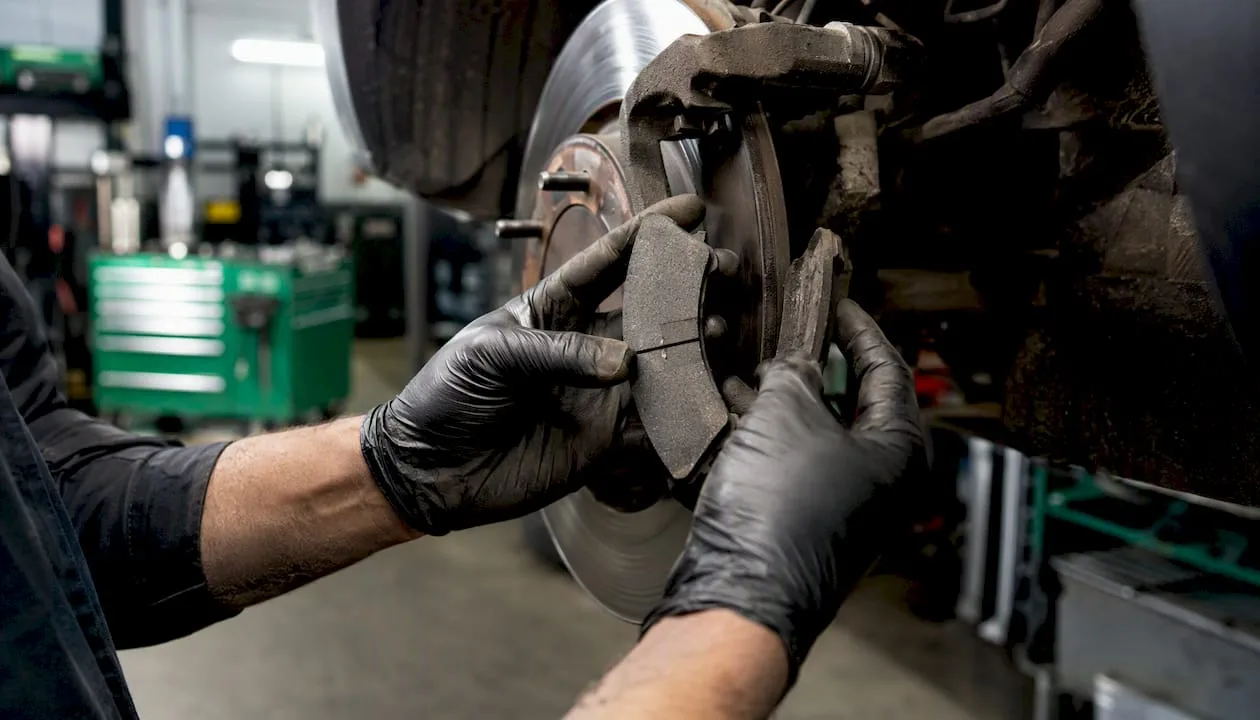
A VHR tells you what was reported. A PPI tells you what's actually there. An independent mechanic is your last line of defense before you hand over money.
Steps to arrange a PPI:
- Choose a shop you trust, or use a mobile inspection service that comes to the seller's location.
- Provide the VIN and the dealer's contact information so the shop can coordinate access.
- Ask the mechanic to produce a written report that includes the VIN, itemized findings, and repair-cost estimates.
- Review the report before you sign anything.
Autotrader recommends using a third-party mechanic and notes that mobile inspection services can come directly to the seller's location, which removes the logistical barrier of transporting a car you don't own yet. Expect to pay $100–$200 for a thorough inspection.
Pro Tip: Require the mechanic to include repair-cost estimates for every finding. Those dollar figures become your negotiation leverage. A written estimate for $800 in deferred maintenance is a concrete, documented reason to renegotiate the price.
How to get a true out-the-door price and avoid surprise fees
"Out-the-door" means the total amount you pay to drive away: vehicle price, sales tax, title fee, registration, and any documented dealer fee. Nothing else should appear on the final contract that wasn't in the written quote.
What a legitimate OTD quote includes:
- Vehicle sale price
- State and local sales tax
- Title and registration fees
- Dealer documentation fee (varies by state; Florida caps this)
- Any agreed add-ons, in writing
What to watch for:
- Dealer-installed accessories added without your consent
- Extended warranties or GAP insurance rolled in without disclosure
- "Market adjustment" line items with no explanation
Steps to collect and compare OTD quotes:
- Email or text each dealer: "Please send me a written OTD price for VIN [number], including all fees and taxes."
- Compare line by line, not just the bottom number.
- Bring the written quote to the dealership. If the contract differs, ask for an explanation before signing.
The FTC advises buyers to get all promises and prices in writing before visiting. Dealers who resist providing a written OTD quote are often the ones who add fees at the table.
Negotiation script:
- "My written quote shows $X. The contract shows $Y. Can you walk me through the difference?"
- "My inspection report shows $Z in needed repairs. I'd like to adjust the price accordingly."
- "If we can't match the written quote, I'll need to step back and reconsider."
What to check on the test drive
Plan for 15–20 minutes and cover both city and highway driving if possible.
During the drive:
- Acceleration: smooth, no hesitation or surging
- Braking: straight, no pulling, no grinding or squealing
- Steering: centered, no vibration or wandering
- Transmission: clean shifts, no slipping or clunking
- A/C, heat, and all electronics: test every switch
- Warning lights: none should be on
Quick visual inspection before you leave the lot:
- VIN on the dash matches the title and the Buyer's Guide
- No fluid puddles under the car after it's been parked
- Tire wear even across all four corners
- Rust on frame rails, wheel wells, and undercarriage
- Panel gaps consistent (uneven gaps suggest prior body work)
Pro Tip: Bring a friend. One person drives while the other listens for noises and watches gauges. Write down anything unusual immediately, while it's fresh, and hand the list to the dealer before you leave.
Dealer red flags that mean walk away
Some signals are clear enough that no inspection or negotiation can fix them.
- Refusal to provide the VIN before you visit
- Refusal to allow an independent PPI
- No Buyer's Guide displayed or offered
- Verbal-only pricing with no written OTD quote
- Pressure to sign paperwork the same day without time to review
- Inconsistent answers about the car's history or prior owners
- No verifiable physical address or local reviews
- Evasive or hostile responses to basic questions
Any one of these is enough reason to leave. A dealer who won't show you the car's history or let a mechanic look at it has something to hide.
Typical timeline and costs: what to budget
Cox Automotive data cited by Consumer Reports put the average used-vehicle listing price near $25,533 in early 2026. At that price point, a $150 inspection that surfaces $1,200 in needed repairs pays for itself many times over.
Why choose Clearwaterlargoauto for a hand-inspected used car
Clearwaterlargoauto, based in Clearwater, FL, builds its entire process around the checklist above. Every car on the lot has been hand-inspected before listing. Every listing shows a transparent price with no hidden fees. Vehicle history reports are available on request, and the dealership actively supports independent PPIs.
What you get at Clearwaterlargoauto:
- Buyer's Guide on every vehicle, as the FTC requires
- Vehicle history report available for every car
- Written OTD pricing before you visit
- Permission and support for an independent pre-purchase inspection
- A real person handling every inquiry, not a call center
- Vehicle sourcing on request: tell us what you want, and we'll find it
Those aren't marketing promises. They map directly to the checklist in this guide. If you're a first-time buyer or buying a car for a teenager, the first-car buying guide walks through the same steps with extra detail for that situation.
Pro Tip: Use the payment calculator to run your financing scenarios before you visit. Knowing your monthly payment range going in keeps the conversation focused on the car, not the numbers.
Why transparency is the only way we do this
Buying a used car shouldn't feel like a negotiation you're destined to lose. The buyers who come to us frustrated have almost always been burned by the same thing: a dealer who made verbal promises, added fees at the table, or handed over a car that hadn't been properly looked at.
We put everything in writing because that's what accountability looks like. A Buyer's Guide, a history report, a written price, and an open door for your mechanic, those aren't extras. They're the baseline. When you know exactly what you're buying and what you're paying, the whole experience changes. You drive away confident, not anxious.
Ready to buy? Here's how to start with Clearwaterlargoauto
Clearwaterlargoauto gives you three low-friction ways to move forward today, without pressure and without surprises.
Three immediate next steps:
- View the inventory and request a written OTD quote for any car that interests you: browse available cars
- Ask for the VHR on any vehicle, and confirm that your mechanic or a mobile inspector can examine it before you commit
- Can't find the right car? Tell us what you need and we'll source it: find my car
Every inquiry goes to a real person at the dealership. No call centers, no automated responses. If you want to sell your current car first, get an offer here. Ready to see what's available? Visit Clearwaterlargoauto and start with a car that's already been inspected and priced honestly.
Sources
Use these official and reputable resources to verify information and run your own checks:
- Dealers guide to the used car rule
- Vehicle history report: everything you need to know - Kelley Blue Book
- 7 expert steps to buy a used car without costly regrets - Consumer Reports
Keep copies of every document you receive: Buyer's Guide, VHR, PPI report, and the signed OTD price sheet. Those records protect you if any dispute arises after the sale.
FAQ
What should I ask for in an as is car sale?
Ask for the Buyer's Guide, the VIN, a vehicle history report, a written out-the-door price, and written confirmation that an independent pre-purchase inspection is allowed.
Is a vehicle history report enough before buying a used car?
No. A VHR shows documented events but misses unreported accidents and mechanical wear. Pair it with an independent PPI from a mechanic you choose.
What does an out-the-door price include?
It includes the vehicle price, sales tax, title fee, registration, and any dealer documentation fee. Nothing else should appear on the final contract without prior written disclosure.
How much does a pre-purchase inspection cost?
Most independent PPIs run $100–$200. That cost is almost always recovered through negotiation when the inspector finds deferred maintenance or needed repairs.
Does Clearwaterlargoauto allow independent inspections?
Yes. Clearwaterlargoauto supports independent pre-purchase inspections on every vehicle and provides vehicle history reports and written OTD pricing as standard practice.