Bring Your Car Seats: Minivan vs SUV, Test LATCH and VIN Insurance
For most families who prioritize everyday passenger comfort and cargo flexibility, a minivan is the practical choice. Choose an SUV if you need towing, all-wheel drive, or a higher-profile look. Space and low-effort loading favor the minivan; capability and resale value favor the SUV. Safety and insurance are model-specific, so check ratings and get a quote before you decide either way.
TL;DR:
- Minivans typically offer more accessible sliding doors, lower step-in height, and better third-row usability, especially in tight parking spaces.
- Safety ratings vary significantly by model and year, so always check model-specific crash tests, LATCH configurations, and tech features before choosing.
- Fuel economy advantages favor minivans, but hybrid SUVs are narrowing this gap, and insurance costs depend more on the vehicle than its body style.
- Full-size SUVs outperform minivans in towing capacity, with capabilities exceeding what most family vehicles need, especially with heavy-duty packages.
- Actual driving experience and cargo loading tests are essential, as real-world usability differs from spec sheets and dealership demos.
Table of Contents
- Minivan vs SUV: The Quick Comparison Parents Actually Need
- How Space and Seating Differ for Families
- How Safe Are Minivans Compared to SUVs for Kids?
- What's the Real Cost Difference Over Time?
- Do You Actually Need an SUV's Towing and Terrain Capability?
- How Does Driving Feel Different Behind the Wheel?
- Which Layout Handles Real Family Cargo Better?
- How to Choose Between a Minivan and an SUV
- What Should You Actually Do on a Test Drive?
- What Parents Ask Us Most Often
- Find and Test the Right Family Vehicle at Clearwater Largo Automotive
- Where to Verify Model-Year Safety and Ownership Data
- Sources
- FAQ
Minivan vs SUV: The Quick Comparison Parents Actually Need
Before you spend a weekend at dealerships, here's what separates these two body styles on the points that matter to a household with car seats, sports bags, and a grocery run every Thursday.
- Space and access: Minivans generally win here. Sliding doors, a low step-in height, and a usable third row make daily loading easier, especially in a tight parking lot.
- Safety: There's no automatic winner between a 2026 Kia Carnival and a comparable SUV. Ratings vary by model and trim year, so check the exact vehicle before assuming either category is safer.
- Cost: Minivans tend to post better fuel economy among three row family vehicles, though hybrid crossovers are closing that gap fast. Insurance depends on the specific vehicle and driver, not the body style.
- Towing and terrain: SUVs, particularly full-size and truck-based models, generally out-tow minivans by a wide margin and handle rough terrain better.
- Style and resale: SUVs often hold value better because more buyers want one. That demand curve shows up at trade-in time.
None of these are absolute rules. They're tendencies you should confirm against the actual 2026 Toyota Sienna or SUV trim you're cross-shopping, not assumptions to lean on.
How Space and Seating Differ for Families
Minivans usually deliver more usable passenger and cargo room per foot of driveway they occupy. That's not a marketing line. It comes down to packaging: a minivan's boxier shape and flat floor let designers push seating further to the edges of the vehicle, while an SUV's more sculpted body and higher floor eat into that same space.
Sliding doors matter more than most parents expect until they've tried them. Swinging an SUV door open in a crowded parking lot means checking your mirrors and hoping the car next to you gave enough room. A sliding door glides open along the body, which makes curb-side loading with a squirming toddler far less stressful.
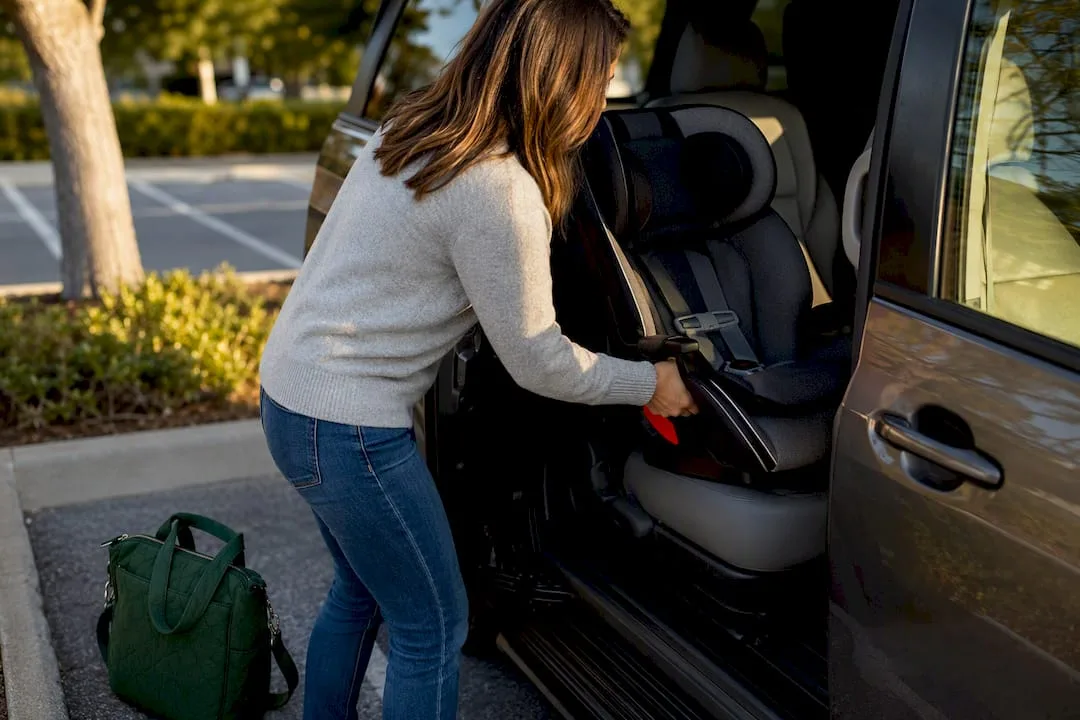
Seating layout changes the calculus too. Captain's chairs (common in higher trims) give you an aisle to walk down to reach a child mid-row, but they cost you a seating position compared to a bench. A three-row SUV vs minivan with bench seating fits one more passenger across, but reaching a middle child seat means climbing over or folding a seat forward.
Here's how to actually test this instead of guessing from a spec sheet:
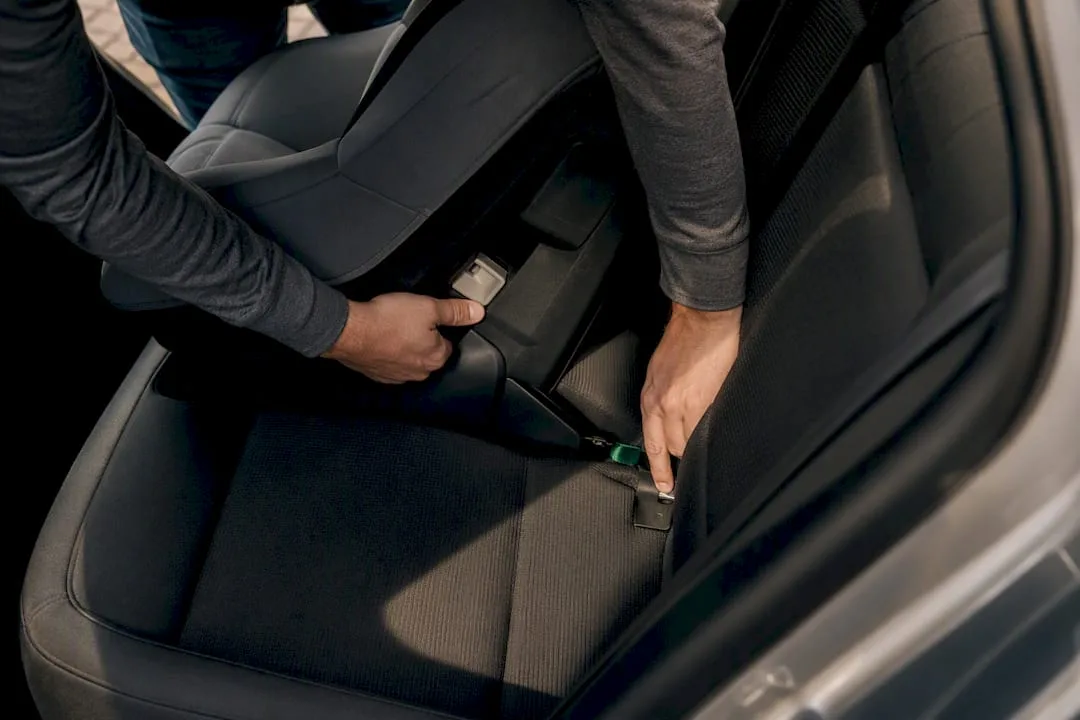
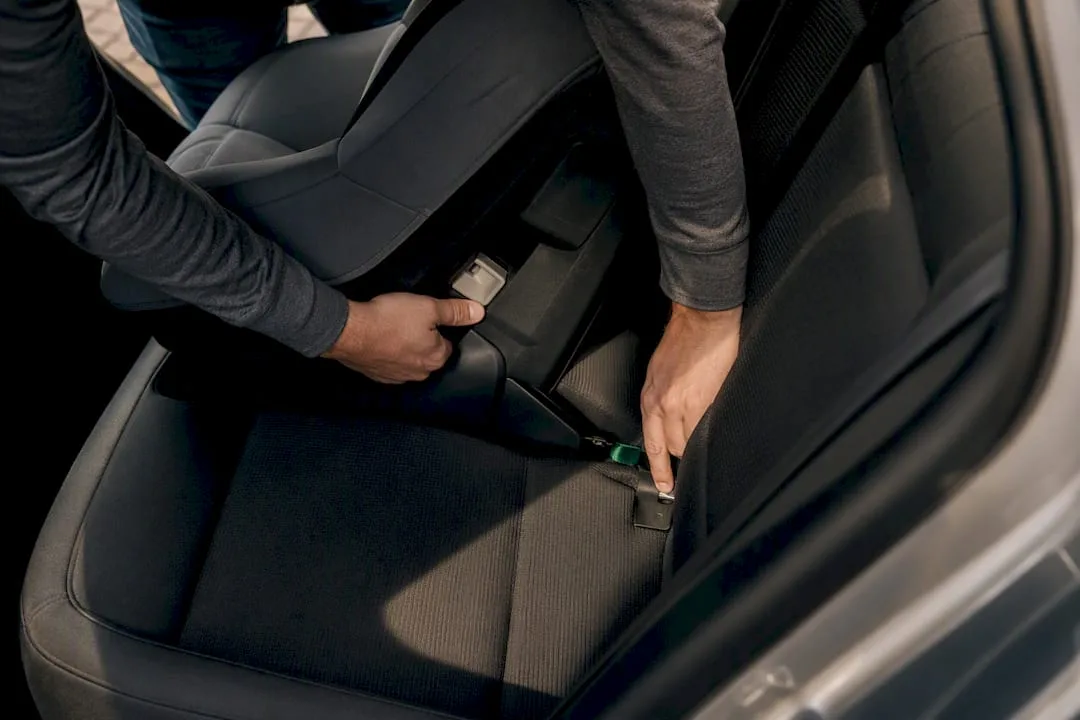
- Install your car seats or boosters exactly as you would at home, not just the demo seat the salesperson points to.
- Sit in the row behind the seats and check knee room with the car seat installed, not empty.
- Practice reaching a pretend snack, cup, or toy to the farthest child seat without leaving the vehicle.
- Fold and unfold the third row with one hand, the way you'll actually do it at pickup line.
Pro Tip: Bring your actual car seats to every test drive, not just a diaper bag and good intentions. A seat that looks like it'll fit on paper can hit the second row seatback in real life, and you won't know until you try it.
How Safe Are Minivans Compared to SUVs for Kids?
There is no blanket answer to whether a minivan or an SUV is safer. Crash performance, headlight scores, and crash-prevention tech all vary by the exact model and year, which is why the 2026 Chrysler Pacifica can post different results from a Honda Odyssey or Toyota Sienna despite sharing a body style.
Start with the source, not a summary. IIHS and NHTSA publish model-and-trim-specific ratings, and that's where the real answer lives, not in a general "minivans are safer" claim you saw on a forum.
Here's what to check before you cross a vehicle off your list:
- Crashworthiness ratings for the exact model and year, since a mid-cycle refresh can change results.
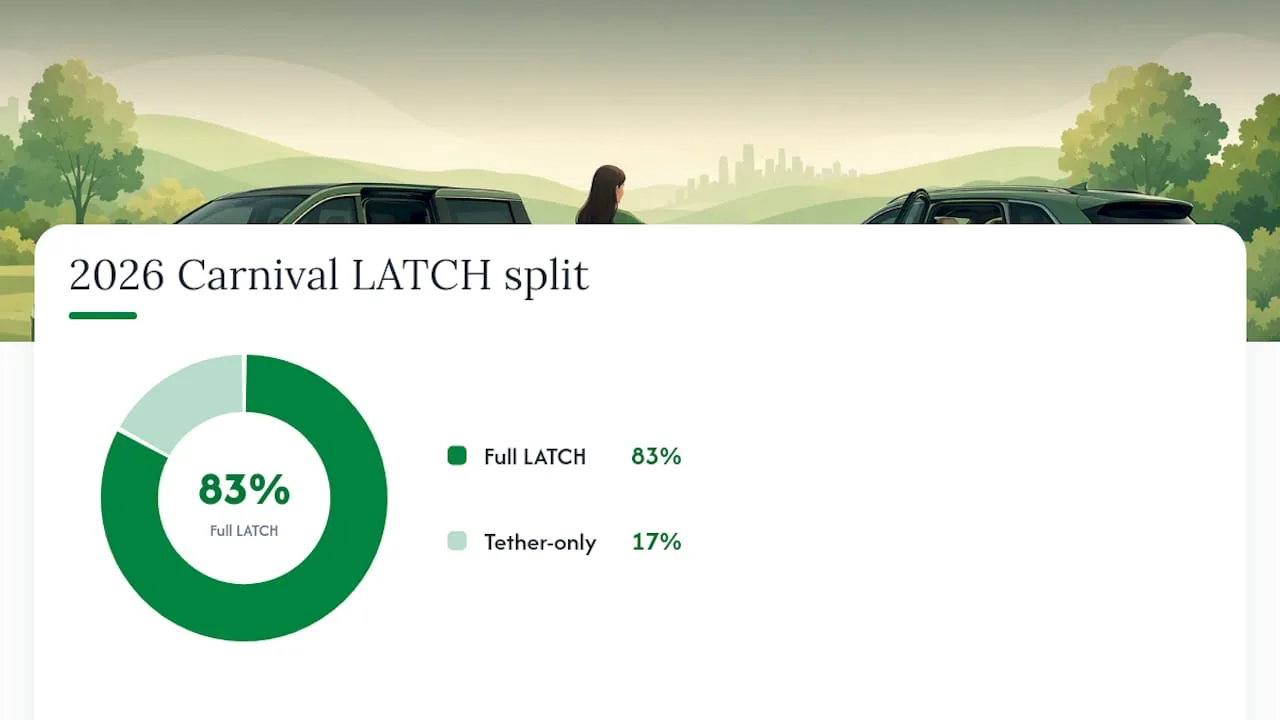
- LATCH anchor count and placement. The 2026 Kia Carnival lists five rear seating positions with full LATCH hardware and one tether-only position, and that layout differs from other minivans and most SUVs.
- Headlight performance and crash-prevention tech, which IIHS grades separately from crash test results.
- Seat-belt reminder systems, especially for rear seats where a forgotten buckle is easy to miss.
Installation matters as much as the hardware itself. NHTSA's sled testing on child restraints shows that dynamic performance depends heavily on how the seat is installed and configured in that specific vehicle, not just which restraint you bought. A five-star seat installed loosely doesn't perform like a five-star seat installed correctly.
That's why the action item here isn't "read a rating and trust it." It's this: bring your child seats to every test drive and actually install them in every position you'd use. A model that scores well on paper can still have an anchor buried behind seat padding that makes a snug install nearly impossible.
What's the Real Cost Difference Over Time?
Minivans tend to edge out three-row SUVs on fuel economy, and that gap adds up over a typical ownership period. But hybrid and modern crossover SUVs are narrowing that advantage year over year, so don't assume the older mileage stereotypes still hold for every 2026 model.
Insurance is where a lot of parents guess wrong. Premiums depend on the vehicle's price, repair costs, safety equipment, your driving history, and where you live, not simply whether the vehicle has sliding doors or a liftgate. The Zebra's research on minivan versus SUV insurance makes this clear: you need a quote on the specific VIN you're considering, because a "cheaper to insure" body style is a myth without that number in hand.
Depreciation tends to favor SUVs. Buyer demand runs higher for SUVs across most markets, and that demand shows up directly in trade-in and resale values a few years down the road. A minivan can still hold value well if it's a well-maintained, popular trim, but you're generally fighting a smaller buyer pool.
Run this checklist before you commit to either body style:
- Pull a fuel economy estimate for the exact trim and drivetrain, not the base model.
- Get an insurance quote using the actual VIN, not a general "minivan" or "SUV" estimate.
- Ask about typical maintenance costs for that specific make and model, since some three-row vehicles run notably more expensive to service.
- Check resale estimates for that model and year rather than assuming a category-wide trend applies.
Do You Actually Need an SUV's Towing and Terrain Capability?
Verify a vehicle's tow rating before you assume anything based on its body style. A tow package check on the engine, drivetrain, and hitch class will tell you more than a brochure photo of a boat in a driveway.
Full-size SUVs often exceed what any minivan can tow, sometimes by thousands of pounds, especially with a V8 or heavy-duty tow package. Compact and midsize crossovers, though, frequently carry only light-duty towing ratings that aren't dramatically different from a well-equipped minivan.
A few practical rules:
- If you're hauling a small trailer, jet ski, or pop-up camper occasionally, an all-wheel-drive crossover may be all you need.
- If you're towing a heavy boat or a full-size camper regularly, look at truck-based SUVs, not car-based crossovers.
- Snow and light off-pavement driving are usually handled fine by AWD crossovers; genuine off-road trails call for real ground clearance and a low-range transfer case.
Pro Tip: Ask for the tow rating in writing, tied to the exact trim and options on the VIN you're buying. "Up to" figures on a manufacturer's website often assume a stripped-down configuration you won't actually get on the lot.
How Does Driving Feel Different Behind the Wheel?
A minivan drives closer to a car than most parents expect. The step-in height is lower, the steering feels lighter, and parking feels more predictable because you can see the corners of the vehicle.
An SUV puts you higher off the ground, which most parents appreciate for visibility over traffic, especially in school pickup lines packed with other tall vehicles. That higher seating position comes with a tradeoff: a wider turning radius on some three-row SUVs and a taller profile you'll notice pulling into a low garage.
Before you decide, think about where you actually park. Measure your garage clearance and driveway width if space is tight, and pay attention to how each vehicle handles a standard parking lot, not just an open dealership lot.
The best way to settle this is simple: drive your real routes. Take the vehicle on your actual school run, your grocery store's cramped lot, and whatever tight turn you deal with every week. A vehicle that feels fine on a dealership test loop can feel completely different squeezing into your usual spot.
Which Layout Handles Real Family Cargo Better?
Minivans typically win the cargo test when passengers and gear both need to fit. The deep well behind the third row, combined with seats that fold flat into the floor, gives you a genuinely useful cargo area even with all three rows occupied. Most SUVs rely on seats that fold flat on top of the floor or need to be removed entirely, which eats into usable height and evenness.
Don't trust cargo volume specs alone. Lab measurements don't reflect what happens when you're loading a double stroller alongside grocery bags and a soccer bag.
- Load the third row up and try fitting your actual stroller, a diaper bag, and a case of water or drinks.
- Fold the seats the way you would on a real trip and see how flat and even the resulting floor is.
- Test loading and unloading from behind the vehicle in a normal parking space, checking for tailgate or liftgate clearance overhead.
How to Choose Between a Minivan and an SUV
Start by ranking what actually matters for your family, in order. Seating and cargo capacity should top the list for most parents cross-shopping a minivan vs 3 row SUV. Towing, winter traction, budget, and how the vehicle looks and resells come after that, but where they land on your list should drive the decision, not a generic recommendation.
Once you've narrowed candidates, ask the seller pointed questions:
- What's the full maintenance history, and are there records to back it up?
- Are there any open recalls tied to this specific VIN?
- What's the exact LATCH layout in the second and third rows?
- What should I realistically expect for fuel economy and insurance on this trim?
Watch for a few red flags that should send you looking elsewhere:
- LATCH anchors that are hard to reach or buried under seat padding you can't remove.
- Safety features listed as "standard" in an ad that aren't actually present on the VIN you're viewing.
- Any mismatch between what's advertised and what a written inspection report discloses.
Pro Tip: Ask to see the inspection report and vehicle history before you even schedule a test drive. A seller who hesitates to share either one is telling you something, whether it's a minivan or an SUV.
What Should You Actually Do on a Test Drive?
A test drive should feel like a rehearsal for your actual life with the vehicle, not a five-minute loop around the block.
- Install every child seat you own in every seating position you'd realistically use, and check for snug fit and clearance.
- Open and close the sliding doors or liftgate several times, fold the seats the way you would weekly, and check how easily you can reach the cargo area.
- Drive your typical routes: school drop-off, a cramped parking lot, and a highway on-ramp, paying attention to visibility, turning radius, and any odd noises.
- Turn on the climate control and check how well it reaches the second and third rows, especially in summer heat.
- Request the full vehicle history and inspection report before you make an offer, not after.
What Parents Ask Us Most Often
Working with families shopping for their next vehicle, the same three concerns come up again and again: whether the LATCH anchors will actually fit their specific car seats, whether there's enough cargo room once every seat is occupied, and whether the monthly payment will actually work with the rest of their budget.
That's exactly why we built our process around transparent pricing, detailed inspection reports on every vehicle we list, and a vehicle sourcing option for families who need a specific trim or configuration we don't currently have on the lot. Every inquiry gets a real answer from a real person, not a script.
Whichever body style you land on, verify the model-year specifics yourself, and don't be shy about asking for extra time behind the wheel to install seats and load gear the way you actually would at home.
— CL Auto
Find and Test the Right Family Vehicle at Clearwater Largo Automotive
Used car dealerships that offer inspection reports and upfront pricing help customers compare real condition and real numbers, not marketing language.
If you know you want a specific trim, a particular LATCH layout, or a tow package that meets your exact needs, our vehicle sourcing service will track down a match instead of asking you to settle for whatever happens to be on the lot. We'll also let you install your child seats and load your gear during a test drive, because that's the only way to know a vehicle actually fits your family. If financing is part of the equation, our in-house financing options work with multiple lenders to find terms that fit your budget.
Browse our current inventory of used cars in Clearwater, or reach out and tell us what you're looking for. We'll help you find it.
Where to Verify Model-Year Safety and Ownership Data
Check IIHS and NHTSA pages for the exact model and year you're considering. Both publish crash test results, LATCH usability grades, and open recall information tied to specific VINs. For broader ownership context, guides like Consumer Reports and KBB cover reliability trends and category-level buying advice worth reading before you narrow your list.
Sources
- 2026 Kia Carnival
- Cheap car insurance: minivan vs SUV (The Zebra)
- NHTSA child restraint sled testing report
- SUV or Minivan: Which Should You Choose? (KBB)
FAQ
What Are the Disadvantages of a Minivan?
Minivans generally trail SUVs on towing capacity, off-road capability, and ground clearance, and some buyers see them as less stylish or lower-status than an SUV. They also tend to have a smaller resale buyer pool, which can mean SUVs hold value better at trade-in time.
Why Do People Buy Minivans Instead of SUVs?
Families choose minivans mainly for the sliding doors, low step-in height, and genuinely usable third row with real cargo space behind it. Minivans also tend to post better fuel economy among three-row family vehicles, though that gap narrows against modern hybrid SUVs.
Is It Cheaper to Insure a Minivan or an SUV?
There's no fixed rule that one body style insures cheaper than the other. Premiums depend on the specific vehicle's price and repair costs, your driving history, and where you live, so The Zebra's guidance recommends getting a quote on the exact VIN rather than assuming based on category.
How Do I Check if a Minivan or SUV Has Good Safety Ratings?
Look up the exact model and year on IIHS and NHTSA, since ratings for crashworthiness, headlights, and LATCH usability vary between trims and model years, as seen with the 2026 Kia Carnival. A vehicle's size or body style alone doesn't guarantee a strong result.
Does Clearwater Largo Automotive Help Find Family-Specific Vehicles?
Yes. Clearwater Largo Automotive offers a vehicle sourcing service that tracks down specific trims, seating configurations, or towing packages on request, along with an inspection report on every vehicle listed. Pricing on current inventory is posted directly on the site.