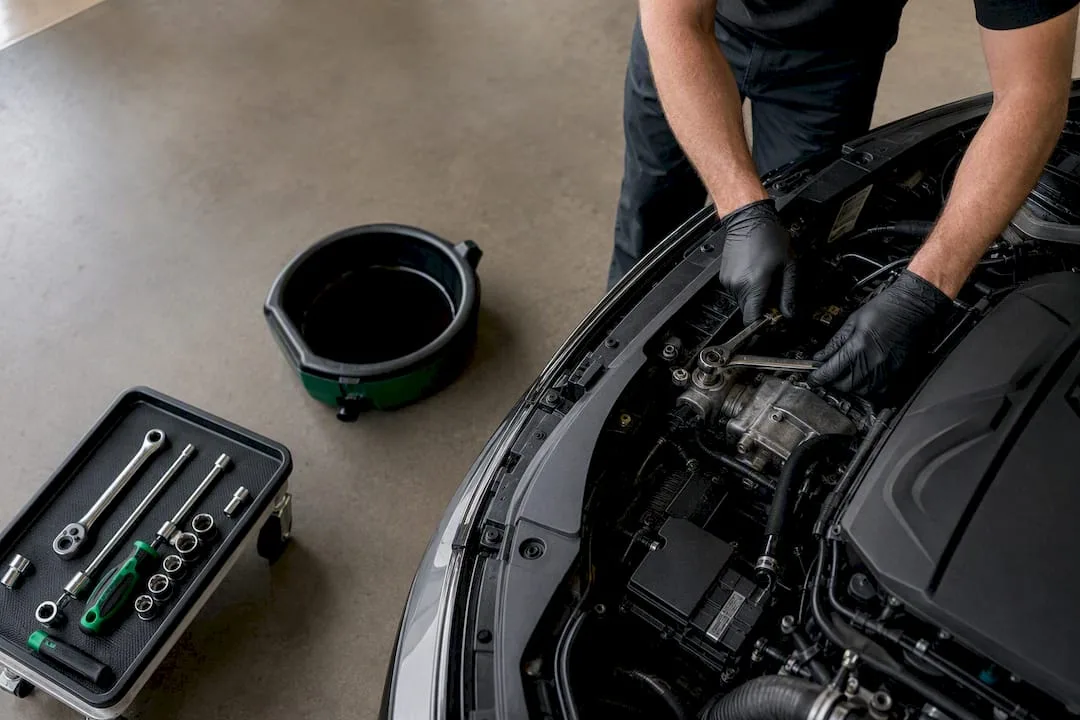
CVT Maintenance Cost: What to Budget and When to Pay
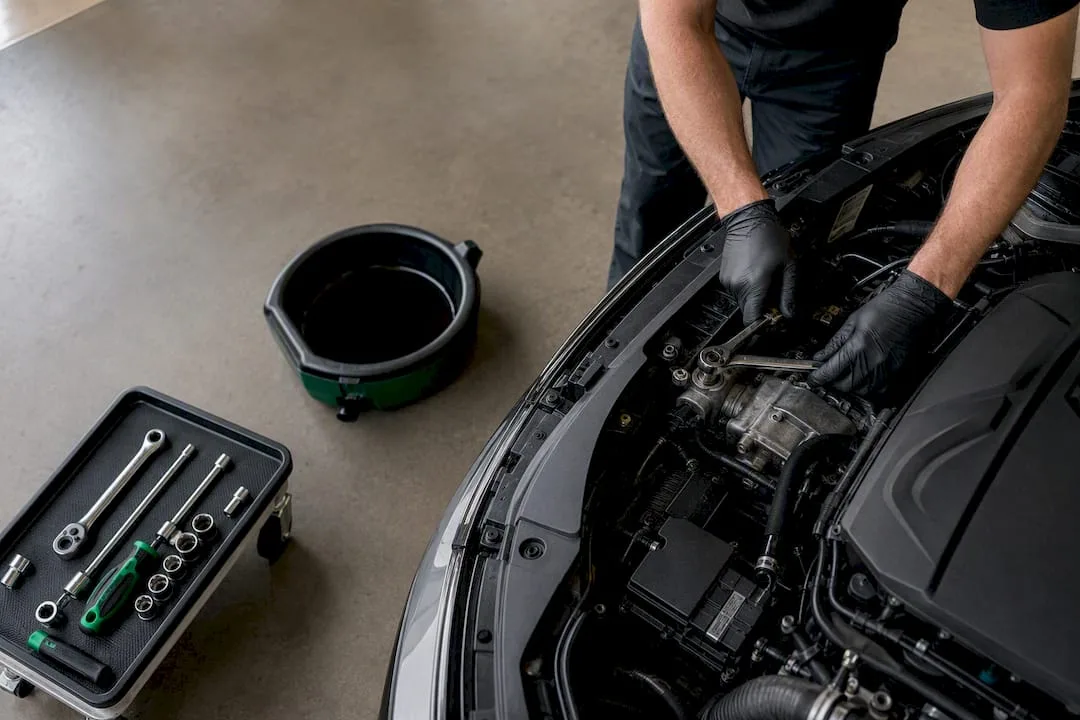
A typical CVT fluid service runs $120 to $500, with the 2026 national average landing around $298. Drain-and-fill jobs average $147, while a full machine flush averages $232. Most manufacturers recommend service somewhere between 30,000 and 60,000 miles, though your owner's manual has the final word for your specific model.
Here's your immediate move: if you're past 30,000 miles since the last service and haven't checked your manual, do that this week. Waiting on a CVT is different from waiting on a regular automatic. Skipped fluid service is a common path to a $3,000 to $5,000 replacement bill, and that gap between "cheap maintenance" and "expensive repair" is wider with a CVT than with almost any other transmission type on the road.
- Typical fluid service: $120–$500 depending on type and shop
- National average (2026): about $298
- Manufacturer interval: commonly 30,000–60,000 miles
- Worst-case neglect cost: $3,000–$5,000+ for replacement
Key Takeaways
CVT maintenance cost stays manageable when fluid service happens on schedule, but neglect turns a $150 job into a $3,000 to $5,000 repair.
| Point | Details |
|---|---|
| Typical service cost | Budget $120–$500 depending on drain-and-fill versus full exchange versus comprehensive service. |
| Service interval | Plan for 30,000–60,000 miles, checking your owner's manual for the exact figure. |
| Warning signs matter | Slipping, shuddering, or whining noises call for immediate diagnostic checks. |
| Repair costs escalate fast | Minor fixes run $100–$200, but rebuilds or replacements can reach $1,500–$4,000 or more. |
| Prevention pays off | Sticking to intervals and fixing leaks early avoids the majority of costly internal failures. |
Table of Contents
- What Does CVT Maintenance Actually Include?
- How Much Does CVT Fluid Service Cost?
- How Often Should You Service a CVT?
- What Are the Warning Signs of CVT Trouble?
- What Does CVT Repair or Replacement Cost?
- Should You Change CVT Fluid Yourself?
- How Do You Lower Long-Term CVT Costs?
- What Should You Ask a Shop Before CVT Service?
- Why We Take CVT Maintenance Seriously
- Sources
- FAQ
What Does CVT Maintenance Actually Include?
"CVT service" isn't one procedure. It's a bucket term that covers three different jobs, and the price you're quoted depends entirely on which one you're getting.
A drain-and-fill removes the fluid that gravity lets out of the pan, then refills with fresh fluid. It leaves some old fluid trapped in the torque converter and cooler lines, which is why it's cheaper. A machine-assisted exchange (sometimes called a full flush) uses a pump to cycle fluid through the entire system, replacing nearly all of it. Some independent shops avoid full flushes on older or high-mileage CVTs because the stronger detergent action can dislodge debris that a worn transmission was otherwise tolerating.
- Filter/pan service applies to CVTs with a serviceable filter, adding parts and labor cost
- Diagnostic checks are sometimes bundled in, especially if you've reported a symptom
Pro Tip: Before you agree to a price, ask the shop directly whether the quote covers a drain-and-fill or a full exchange. A $150 quote and a $400 quote might both be legitimate. They're just not the same job.
How Much Does CVT Fluid Service Cost?
Price ranges break down clearly once you separate the service types. A basic drain-and-fill typically costs $120 to $250, a full exchange runs $225 to $400, and a comprehensive service that bundles fluid, filter, and inspection lands between $250 and $500.
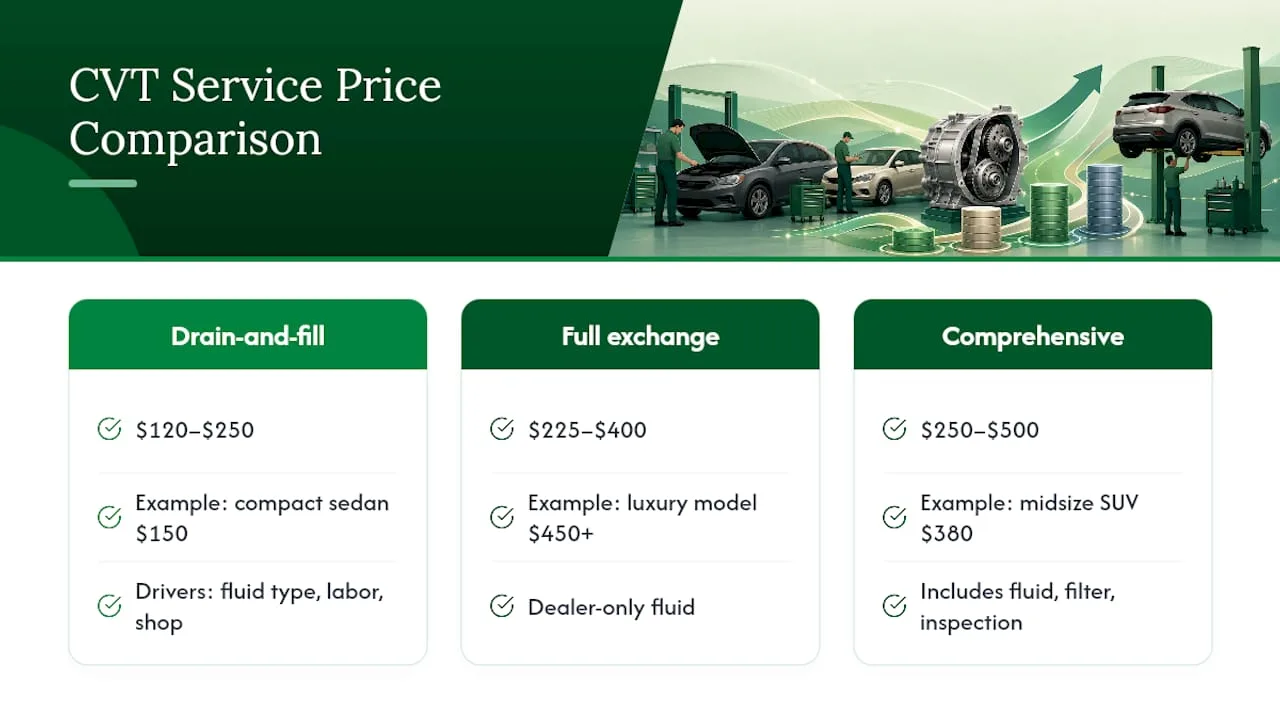
Three factors move these numbers more than anything else: fluid type, labor time, and shop type. Proprietary CVT fluids from manufacturers like Nissan, Subaru, and Honda cost more per quart than generic ATF, and prices on those OEM-specific fluids have climbed 12 to 18 percent over two years as supply stayed tight relative to demand. Labor time varies by access, too. Some CVTs need the vehicle on a lift with a splash shield removed; others take a mechanic 20 minutes.
Picture three real scenarios. A compact sedan with a generic-spec CVT fluid: $150 drain-and-fill. A midsize SUV requiring a proprietary fluid and filter change: $380 comprehensive service. A luxury model with a manufacturer-mandated full exchange and dealer-only fluid: $450 and up.
How Often Should You Service a CVT?
Manufacturer intervals for CVT fluid generally recommend service within a range often between thirty to sixty thousand miles; some specify earlier changes under severe use, while others designate longer or lifetime intervals that may be viewed skeptically by experienced mechanics.
If you don't have your manual handy, a reasonable rule of thumb is service every 30,000 to 50,000 miles or every two to three years, whichever comes first.
- Towing or hauling regularly: service closer to the 30,000-mile mark
- Stop-and-go city driving: counts as severe-service, shorten the interval
- Highway-dominant driving: you can often stretch toward the 50,000 to 60,000 mile end
Neglected intervals are a major reason replacement bills often land in the $3,000 to $5,000 range for CVT-equipped vehicles, a cost gap that dwarfs any interval you'd pay to avoid it.
What Are the Warning Signs of CVT Trouble?
A CVT that's overdue for fluid tends to announce itself before it fails outright, though not always loudly enough for owners to notice right away.
- Slipping or a rubber-band feel under acceleration
- Shuddering, especially between 15 and 40 mph
- Unusual whining or humming that changes pitch with speed
- Noticeable loss of power or delayed response when you hit the gas
- A transmission temperature warning light
- Check-engine codes tied to transmission performance
Slipping and shuddering under load often mean internal wear has already started. A whining noise combined with a temperature warning is more urgent. Simple sluggishness caught early sometimes resolves with a fluid service alone.
Many CVT failures are not sudden. They're the end result of a slow decline that a $150 fluid service could have interrupted months earlier. Once the belt or pulley surfaces show wear, fluid alone won't fix it.
What Does CVT Repair or Replacement Cost?
Repair costs scale dramatically depending on what actually failed inside the transmission, and that range is exactly why prevention matters more here than with most other car systems.
- Minor repairs such as solenoid or sensor fixes and minor leaks fall within lower cost ranges
- Mid-level repairs including valve body or cooling line replacements may cost several hundred to over a thousand dollars
- Full rebuilds or replacements typically involve several thousands of dollars in expenses
| Failure Type | Typical Cost Range |
|---|---|
| Minor service or sensor fix | $100–$200 |
| Valve body or cooling line repair | $1,500 |
| Rebuild or full replacement | $1,500–$4,000+ |
The biggest bills trace back to a small set of causes: overheated fluid that never got changed, worn belts or pulley surfaces from age and mileage, ignored fluid leaks, and failed cooling lines that let the transmission run hot for months. A worn belt combined with an electronics fault is a common combination that pushes a repair estimate into replacement territory, since diagnosing and replacing both often costs nearly as much as swapping the whole unit.
Should You Change CVT Fluid Yourself?
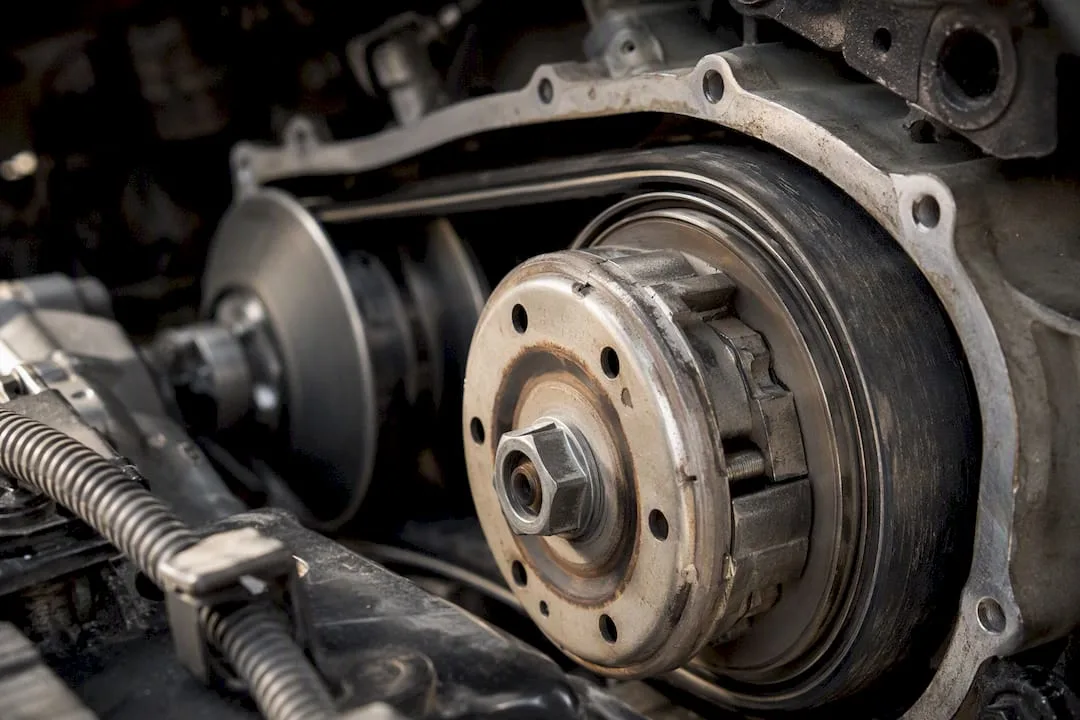
Some CVTs have an accessible drain plug and fill point that make a DIY drain-and-fill genuinely doable with basic tools. Others require dealer-specific software to complete a "relearn" procedure after the fluid change, or need the car on a lift to reach the fill point at all.
- Wrong fluid spec is the single biggest DIY risk. CVT fluid is not interchangeable with regular ATF
- Underfilling or overfilling by even a small amount can cause shifting problems
- Skipping the relearn procedure can leave the transmission behaving oddly even with fresh fluid
Pro Tip: Confirm your exact fluid spec in the owner's manual before you buy anything, and if possible, have a shop verify the fluid level once you're done.
How Do You Lower Long-Term CVT Costs?
Prevention is genuinely the highest-leverage thing you can do here. Owners who stick to their service intervals avoid the majority of the internal failures that eventually require a rebuild.
- Follow your manufacturer's interval rather than guessing
- Inspect for fluid leaks at every oil change, not just at CVT service time
- Keep the cooling system in good shape. A failing radiator or cooling line is a common root cause of CVT overheating
- Avoid towing beyond your vehicle's rated capacity
- Let the transmission warm up briefly on cold mornings before demanding full power
Pro Tip: Keep every service receipt in one folder or app. A documented maintenance history supports a warranty claim if something goes wrong, and it adds real value when you eventually sell or trade the car. If a repair does become unavoidable, weighing repair against replacement or sale early can save you from throwing good money after bad.
What Should You Ask a Shop Before CVT Service?
A few pointed questions separate a shop that knows CVTs from one that's guessing.
- Is this quote for a drain-and-fill or a full machine exchange?
- What's the exact fluid spec, and is it OEM or an approved equivalent?
- Does the price include a filter change, and does my model have a serviceable filter?
- What's the warranty on the work?
- Will you perform a relearn procedure if my model requires one?
Red flags include vague answers about fluid type, refusal to name the procedure, or a "full exchange" priced suspiciously low. When you pick up the car, check that the receipt lists fluid type, quantity used, and any inspection notes. That paper trail matters later.
Why We Take CVT Maintenance Seriously
We've seen how a $200 fluid service gets postponed into a $3,000 repair, and it's rarely because the owner didn't care. It's because nobody explained the stakes clearly. That's the gap Clearwater Largo Automotive tries to close with every hand-inspected vehicle we list, transparent pricing, and a real person answering questions instead of a script. If a repair bill has you weighing your options, our payment calculator can help you compare financing a fix against financing a different car entirely.
Sources
- Transmissionfluidchangecost
- CVT Transmission Service Cost Guide 2026 – Cost Insider
- Discover the costs of CVT transmission service, including repair vs. replacement options, and insights from vehicle owners.
- How often should you replace your Nissan's CVT fluid? | Glendale Nissan LA
FAQ
How often should a CVT transmission be serviced?
Most manufacturers recommend service every 30,000 to 60,000 miles, though severe driving conditions like towing or heavy city traffic can call for more frequent checks.
How much should a CVT fluid change cost?
A basic drain-and-fill typically costs $120 to $250, while a full machine exchange or comprehensive service with a filter change runs $250 to $500.
What is the lifespan of a CVT?
Skipped fluid service is one of the most common reasons CVTs fail early and need replacement.
Is it worth it to fix a CVT transmission?
It depends on the failure. Minor repairs in the $100 to $200 range are almost always worth it, but if you're facing a $1,500 to $4,000 rebuild on an older vehicle, comparing that cost against selling the car or replacing it is worth doing before you commit.
Recommended
- Car payment calculator | Clearwater Largo Automotive
- Buying a first car for a teenager in Clearwater and Largo | Clearwater Largo Automotive
- Buying advice from a Clearwater dealer | Clearwater Largo Automotive
- Buying a Used Car in Clearwater: 9 Things to Check Before You Pay | Clearwater Largo Automotive