How to Sell Your Car to a Dealer and Get a Fair Price
Yes, you can sell your car to a dealership today, without buying a replacement, and walk out with a check the same afternoon. Most in-person appraisals take 20–45 minutes, and dealers handle the title transfer and lien payoff for you. The trade-off is real: dealers typically pay 15–30% less than private-party value because they factor in reconditioning costs and resale margin. For sellers who need speed, have a loan on the car, or simply don't want to deal with strangers from Craigslist, that gap is worth it.
Here's the short plan to follow:
- Check your car's trade-in and private-party value on Kelley Blue Book or Cars.com before you talk to anyone.
- Get 2–3 written offers, including at least one from an online instant-offer tool.
- Clean the car, gather your paperwork, and bring your 10-day payoff letter if you still owe money.
- Visit the dealer, present your competing offers, and negotiate before signing anything.
- Complete the paperwork, confirm the lien payoff if applicable, and collect your payment plus a signed bill of sale.
The whole process can realistically happen in one day. A local option like Clearwaterlargoauto in Clearwater, FL handles appraisals, payoff coordination, and same-day payment in a single visit. For most sellers, the IRS does not require you to report the sale unless you sold the car for more than you originally paid for it.
Key Takeaways
Getting a fair price when you sell your car to a dealer comes down to preparation, multiple written offers, and knowing your payoff number before you walk in.
| Point | Details |
|---|---|
| Get multiple written offers | Collect at least 2–3 offers; dealers often match a competitor's written bid. |
| Know the payout gap | Dealer offers typically run 15–30% below private-party value; factor that in before deciding. |
| Bring complete paperwork | Title or payoff letter, ID, all keys, and service records prevent delays and improve offers. |
| Understand lien payoffs | Request a 10-day payoff letter from your lender; dealers pay the lender directly and give you the balance. |
| Clearwaterlargoauto | Offers on-site appraisals, written offers, lien payoff handling, and same-day payment in Clearwater, FL. |
Table of Contents
- Is selling your car to a dealer the right move for you?
- How to sell your car to a dealership, step by step
- How dealers calculate your car's offer
- How to get multiple offers and use them as leverage
- Selling a car with a loan: payoff, lien handling, and negative equity
- Payment methods, timing, and protecting yourself after the sale
- What to bring when you sell your car to a dealership
- Taxes and reporting when you sell your car
- Why a transparent local dealer makes the process easier
- What our team has seen sellers get wrong
- Sell your car fast and fairly with Clearwaterlargoauto
- Sources
Is selling your car to a dealer the right move for you?
Selling to a dealer is fast and low-friction, but it's not the right call for everyone. Here's an honest look at both sides.
Pros:
- Speed. You can have a check in hand the same day you walk in.
- Convenience. The dealer handles title transfer, lien payoff, and smog checks where required.
- Safety. No strangers test-driving your car, no cashier's check scams, no no-shows.
- Simplicity when you have a loan. The dealer pays your lender directly and gives you the difference.
Cons:
- Lower payout. Expect offers 15–30% below private-party value in most cases.
- Inspection deductions. Dealers apply reconditioning costs, which can reduce the initial offer after the walk-around.
- Less room to negotiate than a private buyer who falls in love with the car.
Five questions to help you decide:
- Do you need money within a day or two? Dealer sale wins.
- Is there a lien on the car? Dealer sale is far simpler.
- Is the title complicated (salvage, out-of-state, inherited)? A licensed dealer handles this routinely.
- Do you have two to four weeks and patience for private buyers? Private sale may net you more.
- Is the car in rough shape or high mileage? Dealers are often more willing to buy problem vehicles than private buyers.
A quick example: you owe $8,000 on a car worth $11,000 in private-party value. A dealer offers $9,500, pays off your lender, and cuts you a check for $1,500. You skip weeks of listings, test drives, and title paperwork. That's the scenario where a dealer sale clearly wins.
How to sell your car to a dealership, step by step
Follow these steps in order. Each one builds on the last, and skipping any of them is where sellers lose money or time.
Step 1 — Research your car's value (15–30 minutes)
Pull both the trade-in value and the private-party value on Kelley Blue Book or Cars.com. The trade-in figure is your realistic floor; the private-party number is your ceiling. Knowing both tells you immediately whether a dealer's offer is reasonable or low.
Step 2 — Get 2–3 written offers (1–2 hours)
Kelley Blue Book's Instant Cash Offer tool generates a printable offer that participating dealers can verify and honor for a limited time. Get one online offer, then visit at least two local dealers in person. Written offers are your negotiating currency — dealers will sometimes match or beat a competitor's written number, according to Kelley Blue Book.
Step 3 — Prepare the car and gather paperwork (1–3 hours)
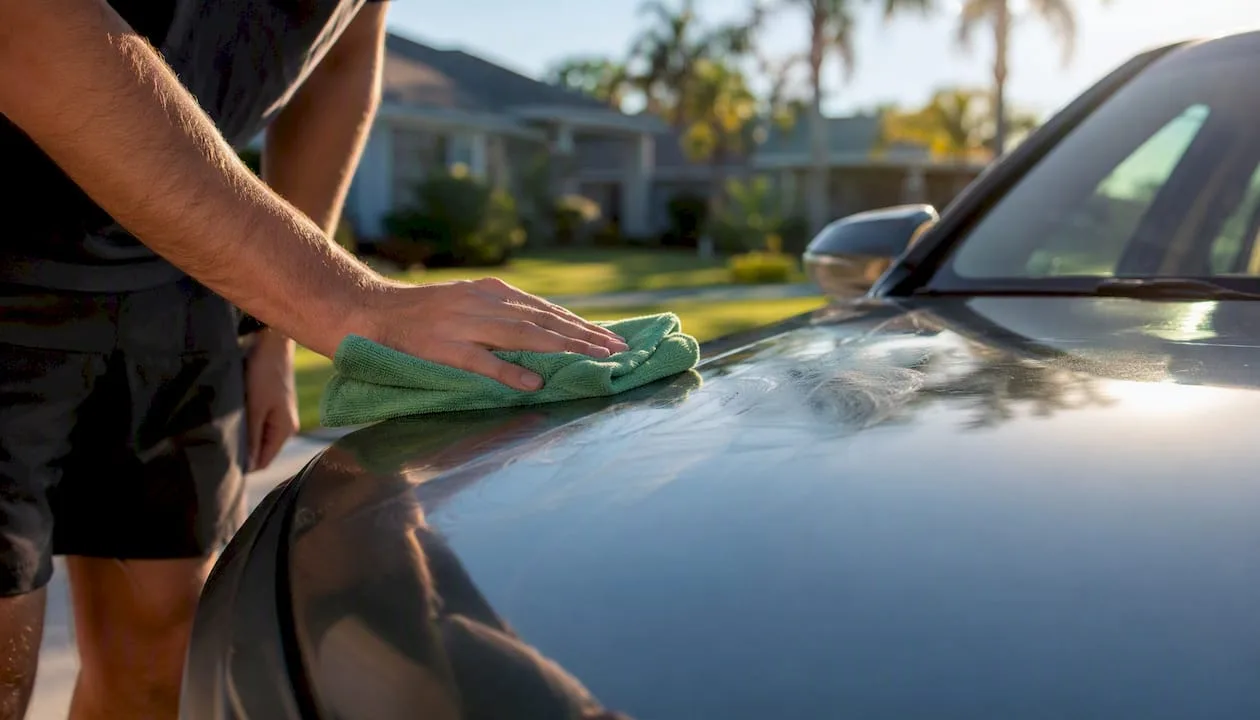
A thorough clean, topped-off fluids, replaced burned-out bulbs, and a printed service history can meaningfully improve your offer and prevent surprise deductions at inspection. Remove all personal items and clear your phone data from the infotainment system. Pull together your title, registration, government-issued ID, all keys and remotes, and your loan payoff letter if the car is financed.
Step 4 — Visit the dealer for the appraisal (20–45 minutes on-site)
Hand over the keys, let the appraiser do the walk-around and test drive, and then present your written offers from other dealers. Don't volunteer a number first. Ask the dealer to explain what drove their offer, specifically which reconditioning items they're deducting, because those line items are often negotiable.
Step 5 — Complete paperwork and collect payment (30–60 minutes)
Sign the bill of sale and odometer disclosure statement. If you have a loan, confirm the payoff amount and timeline with the dealer before you leave. Collect a copy of every document you sign.
| Stage | Typical time |
|---|---|
| Online valuation research | 15–30 minutes |
| Online instant offer | 10–20 minutes |
| In-person appraisal | 20–45 minutes |
| Paperwork and payment | 30–60 minutes |
| Total (single dealer visit) | 1.5–3 hours |
Pro Tip: Dealers that sell the same make as your car, or that specialize in your vehicle type, often pay more because they already have buyers waiting for that inventory. Check which local dealers carry your model before you book your appraisal.
How dealers calculate your car's offer
Dealers don't guess. Every offer is built from a short list of hard inputs, and knowing those inputs tells you exactly where to focus your prep time.
Primary valuation drivers:
- Current auction prices for your make, model, trim, and mileage in your region
- Local demand (a pickup truck sells faster in some markets than a compact sedan)
- Vehicle condition, inside and out
- Mileage relative to age
- Service history and maintenance records
- Title status and accident history from a VIN report
What the inspector checks during the walk-around:
- Exterior: paint condition, panel gaps, rust, dents, and glass chips
- Interior: seat condition, odors, dashboard warning lights, and infotainment function
- Tires: tread depth and even wear
- Lights: all exterior lights operational
- Fluids: oil, coolant, brake fluid levels and condition
- Test drive: transmission shifts, brake feel, steering, and any unusual sounds
- VIN history: accident records, title brands, and number of previous owners
How deductions typically work:
The appraiser notes each issue and applies a reconditioning estimate. A cracked windshield, worn tires, or a check-engine light each become a line-item deduction from the starting offer. You can ask to see the deduction list, and in many cases you can negotiate individual items, especially if you have documentation showing recent work.
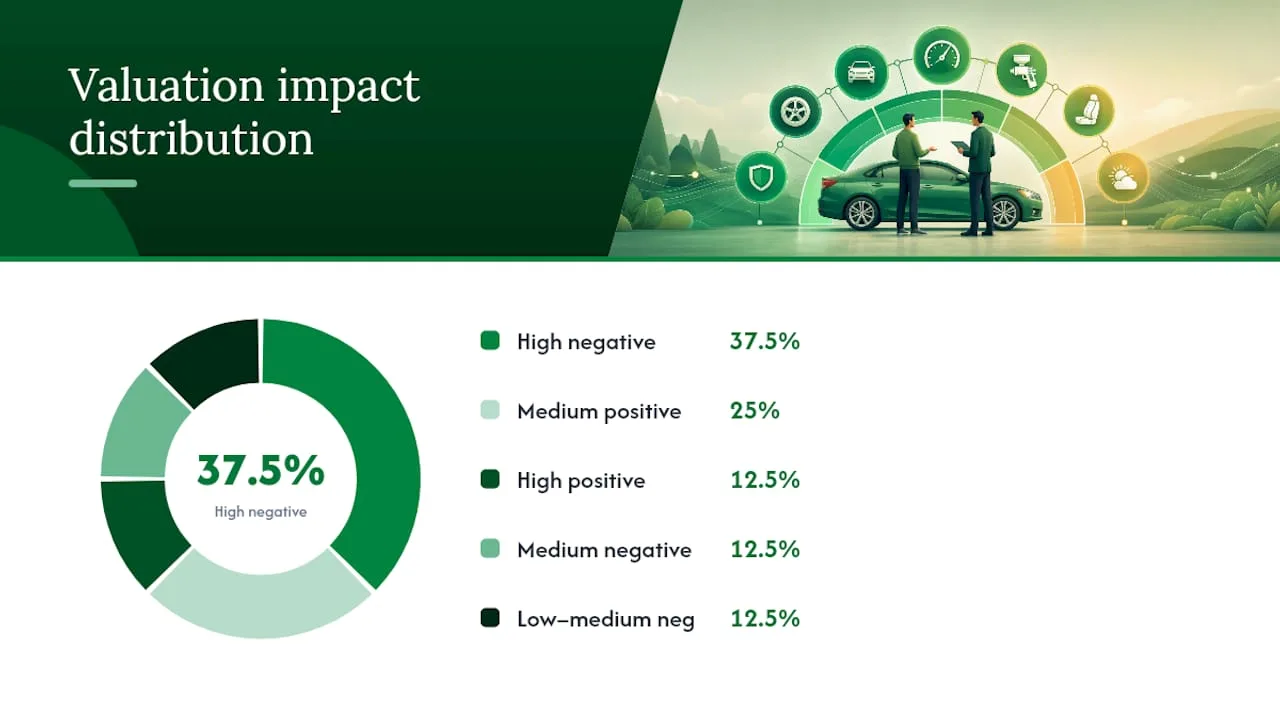
| Valuation factor | Impact on offer |
|---|---|
| Clean title, no accidents | High positive |
| Full service records | Medium positive |
| Recent tires and brakes | Medium positive |
| High mileage for age | High negative |
| Accident history or branded title | High negative |
| Missing keys or remotes | Medium negative |
| Cosmetic damage (dents, scratches) | Low to medium negative |
| Warning lights or mechanical issues | High negative |
How to get multiple offers and use them as leverage
Walking into one dealership and accepting whatever number they give you is the single most common way sellers leave money on the table. Multiple offers change the dynamic entirely.
Where to get your offers:
- Kelley Blue Book Instant Cash Offer: generates a printable, time-limited offer that participating dealers can verify on inspection.
- Local dealer appraisals: visit at least two dealers in person, ideally on the same day so the offers are current.
- Multi-dealer online marketplaces: platforms where multiple dealers bid on your listing reduce surprises because you arrive at the lot with competing offers already visible.
What a solid written offer should include:
- Your VIN and current mileage
- Vehicle condition as noted by the dealer
- The offered dollar amount
- Offer expiration date
- Dealer name and contact information
Sample negotiation language to use at the lot:
When the dealer presents their number, say: "I have a written offer from [Dealer B] for $X. Can you match or beat that?"
If they push back, ask: "Can you walk me through the specific deductions that brought the offer to this number?" That question almost always produces a line-item list, and line items are negotiable.
If the offer is firm and below your floor, say: "I appreciate the time. I'm going to hold onto my other offer for now." Walking away is a legitimate tactic, and dealers know it.
Pro Tip: If local dealers are saturated with your vehicle type, try a dealer in a neighboring market. Dealers that specialize in your make or that have fewer of your model in stock will often pay more.
Selling a car with a loan: payoff, lien handling, and negative equity
Dealers routinely handle financed vehicles and pay off your lender directly as part of the purchase. You don't need to pay off the loan yourself before selling.
Before you go, do these three things:
- Call your lender and request a 10-day payoff letter. This is different from your account balance — it includes accrued interest and is the exact figure the dealer needs to close the transaction.
- Write down your lender's name, account number, and payoff phone number. The dealer's finance office will need all three.
- Confirm the payoff letter's expiration date. Most are valid for 10 business days; if your sale runs past that, you'll need a new one.
How the payoff flow works:
- Dealer offer exceeds your payoff: The dealer pays the lender the payoff amount and cuts you a check for the difference. Clean and simple.
- Dealer offer is less than your payoff (negative equity): You owe the difference. You can pay it out of pocket at closing, or, if you're buying a replacement vehicle at the same dealership, you may be able to roll the negative equity into the new loan. Use the payment calculator to see what that does to your monthly payment before agreeing.
Negative equity isn't a deal-breaker, but go in knowing your exact payoff number so there are no surprises at the table.
Payment methods, timing, and protecting yourself after the sale
Most dealers pay by cashier's check or dealer check at the time of signing. Some offer electronic transfer, which can take one to three business days to clear. A dealer check drawn on the dealership's account is generally safe, but if you have any doubt, ask for a cashier's check from the dealer's bank instead.
Key protection steps before and after the sale:
- Keep your auto insurance active until the title transfer is complete. If the dealer takes possession of the car but the title hasn't transferred yet, you're still the registered owner.
- Get a signed bill of sale that lists the VIN, sale price, date, buyer and seller names, and odometer reading.
- Request a copy of the title transfer paperwork or the dealer's title application.
- If you had a loan, get written confirmation from the dealer that the payoff was submitted to your lender, and follow up with your lender within a week to confirm receipt.
- File a release of liability with your state DMV where required. This protects you if the car is involved in an incident before the title fully transfers to the dealer.
Verify the dealer is licensed before you hand over the keys. Most state DMV websites let you look up a dealer's license number in under two minutes.
What to bring when you sell your car to a dealership
Arriving with everything in hand prevents delays and signals to the appraiser that you're a prepared, serious seller. Dealers notice.
Essential documents and items:
- Vehicle title (clean, signed, with no alterations) or a 10-day payoff letter from your lender if the car is financed
- Current vehicle registration
- Government-issued photo ID (driver's license or passport)
- All keys, key fobs, and remotes
- Service records and maintenance receipts
- Any remaining warranty documentation
Special situations:
- Missing title: Contact your state DMV to request a duplicate title before your dealer visit. Most states process duplicates within a few days. Dealers can sometimes work with a lien-held title directly, but a clean duplicate speeds things up.
- Multiple owners on the title: All listed owners typically need to sign. If a co-owner can't be present, check with the dealer in advance about a power of attorney or notarized signature.
- Out-of-state title: Licensed dealers handle these regularly. Bring the original out-of-state title and your current registration.
- Salvage or branded title: Disclose this upfront. Dealers will find it in the VIN history report anyway, and proactive disclosure builds trust and prevents the offer from being pulled after inspection.
- Inherited vehicle: You'll likely need a copy of the probate documents or a transfer-on-death affidavit, depending on your state. Call the dealer ahead of time so they can tell you exactly what their title clerk needs.
Pro Tip: Put all your documents in a folder the night before. Dealers move quickly once the appraisal is done, and fumbling for paperwork at the signing table slows everything down and occasionally costs you a same-day payment.
Taxes and reporting when you sell your car
For most people selling a personal vehicle, the tax situation is straightforward. If you sell the car for less than you originally paid for it, the sale is not taxable and you don't need to report it to the IRS. That covers the vast majority of used car sales, since most vehicles depreciate over time.
When you may owe taxes:
- You sold a vehicle for more than your original purchase price (a collector car or a vehicle that appreciated in value).
- The car was used partially or fully for business, in which case depreciation recapture rules may apply.
- You received a 1099-B or similar form from the transaction.
If any of those situations apply to you, talk to a tax professional before filing. The IRS treats a personal vehicle sale at a gain as a capital gain, and the rate depends on how long you owned the car.
This is general information, not tax advice. Confirm your specific situation with a qualified tax advisor or visit IRS.gov for current guidance.
Why a transparent local dealer makes the process easier
Selling to a licensed, transparent local dealer removes most of the friction from the process. You get a real person reviewing your car, clear paperwork, and a payoff handled on-site rather than chasing a lender for weeks.
What a trustworthy local dealer provides:
- A written offer with the deduction breakdown explained, not just a number handed across a desk
- On-site inspection by someone who knows local market demand and can sometimes pay more for models that move quickly in that area
- Direct lien payoff coordination with your lender, handled by the dealer's finance office
- No-surprise fees: the offer you negotiate is the amount that appears on the bill of sale
- Disclosed vehicle history before the car goes back on the lot, which is a sign the dealer operates honestly
Clearwaterlargoauto in Clearwater, FL operates this way by design. Every vehicle they purchase is inspected on-site, and every inquiry is handled by a real person, not a call center. Their current inventory reflects the kind of in-demand local models they actively seek to buy, which means sellers of those vehicles often find the offer more competitive than they expected.
Local market knowledge matters. A dealer who moves a lot of a particular model in your area has an incentive to pay more for it because they already have buyers lined up.
What our team has seen sellers get wrong
We've been through this process with a lot of sellers, and the same mistakes come up again and again. Here's what we'd tell a friend before they walked into any dealership.
Do:
- Get at least two written offers before accepting anything. One offer is a starting point; two or three is a negotiation.
- Bring every piece of paperwork, including service records. A folder of maintenance receipts can move an offer up noticeably.
- Be upfront about the car's condition. Appraisers find everything anyway, and honesty builds goodwill that sometimes translates into a better final number.
- Ask for the deduction list in writing so you can discuss specific line items.
Don't:
- Accept the first number without comparing it to at least one other offer.
- Spend $800 on repairs to a car you're selling for $6,000. Minor cosmetic fixes are worth it; major mechanical work rarely pays back at resale.
- Leave without a signed bill of sale and copies of every document. This is your legal protection if anything goes sideways after the handover.
- Assume a higher trade-in value on paper means more money in your pocket. Trade-in credits are applied to a new purchase price, not handed to you in cash.
One thing we've noticed: sellers who walk in knowing their payoff amount, their KBB trade-in value, and their competing offer are treated differently at the table. Preparation signals that you know what your car is worth, and that alone tends to produce better offers.
Sell your car fast and fairly with Clearwaterlargoauto
If you want to skip the back-and-forth and work with a dealer who puts the offer in writing from the start, Clearwaterlargoauto in Clearwater, FL is built for exactly that. We buy vehicles directly from local sellers, handle lien payoffs in-house, and can often complete the full process in a single visit.
What you get when you sell to us: an on-site appraisal by a real person who knows the local market, a written offer with no hidden deductions, same-day payment options, and clear title transfer paperwork handled start to finish. No call centers, no runaround.
To get started, visit our sell your car page and fill out the short form with your VIN, current mileage, and title status. We'll get back to you with next steps. If you're also considering rolling negative equity into a replacement vehicle, our payment calculator can show you what that looks like before you commit to anything.
Sources
These are the resources referenced throughout this article. Use them to set realistic expectations before your first dealer conversation.
- Can I Sell My Car to a Dealership? - Kelley Blue Book
- How to Sell a Car to a Dealer (What They Won't Tell You) | CurbSold
- Sell to a Dealer — Kelley Blue Book Instant Cash Offer (page)
- How to Sell a Car at a Dealership | Progressive
To use a valuation tool effectively, enter your exact trim level, current mileage, and honest condition rating. The difference between "Good" and "Very Good" on KBB can move the estimate by several hundred dollars, so be accurate rather than optimistic.
This article is general information, not a substitute for advice from a qualified financial advisor. Consult a qualified financial professional about your own circumstances before acting on anything here.