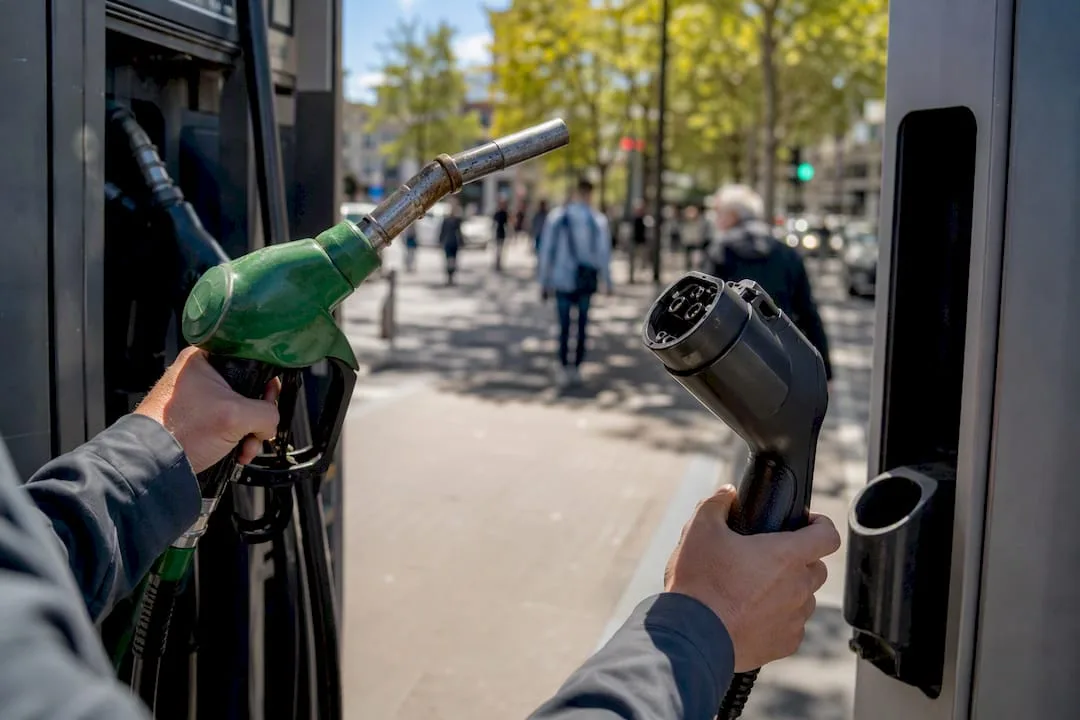
Hybrid vs Gas: A Buyer's Cost-First Comparison
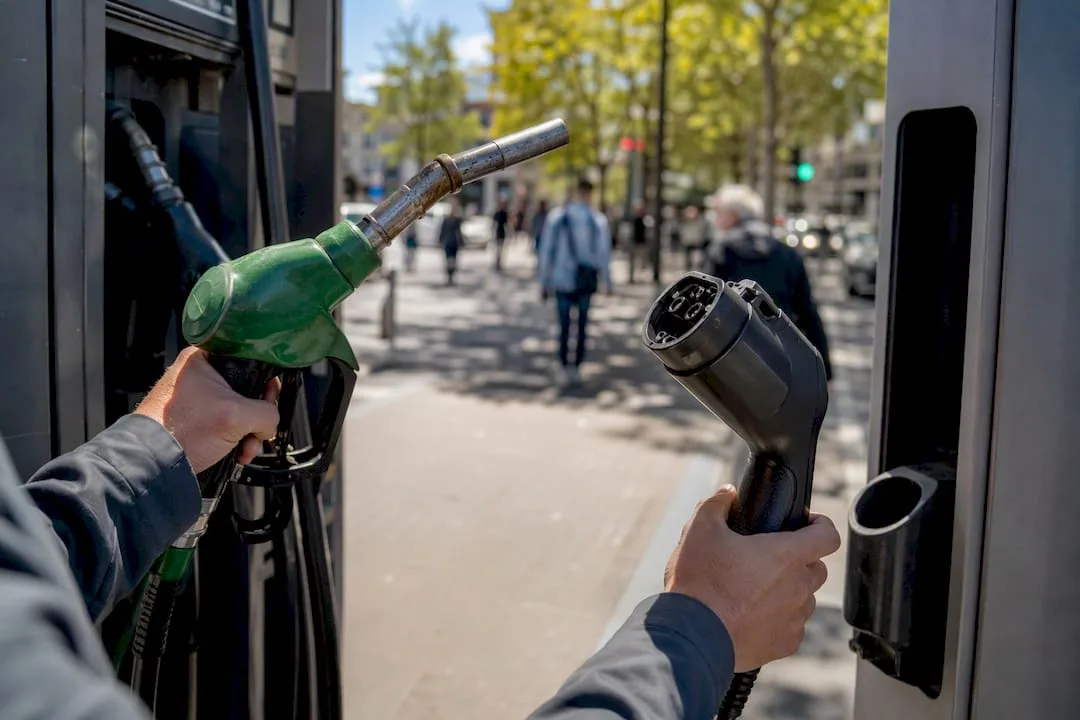
For most drivers, a hybrid is the better buy, but it isn't automatic. If you spend your week in stop-and-go traffic and plan to keep the car five years or more, the hybrid usually wins on total cost. If you drive mostly highway miles or want the lowest possible price tag today, gas still makes sense. Consumer Reports rates many hybrids higher for reliability and fuel economy, and FuelEconomy.gov backs that up with the MPG data to prove it. The rest of this guide walks through exactly why, with real numbers.
Key Takeaways
The hybrid vs gas decision comes down to your driving pattern and ownership length, not brand loyalty or sticker price alone.
| Point | Details |
|---|---|
| City driving favors hybrids | Stop-and-go traffic is where regenerative braking and engine shutoff save the most fuel. |
| Highway miles favor gas | Steady highway speeds shrink the hybrid MPG advantage and can stretch payback time. |
| Payback often takes years | KBB's example showed a Corolla hybrid saving $459 a year, paying back in about three years. |
| Battery failure rarely strands you | The gas engine typically still runs, but fuel economy and power both suffer until repaired. |
| Local help matters | Clearwaterlargoauto inspects every vehicle, discloses pricing upfront, and can source a specific hybrid or gas model on request. |
Table of Contents
- How Hybrids Work: Mild, Full, and Plug-In Explained
- The Real Advantages of Choosing a Hybrid
- Where a Gas-Only Car Still Makes Sense
- What Hybrid vs Gas Actually Costs You Over Time
- Battery Life, Repair Costs, and What Happens If It Fails
- Which Buyer Fits Which Powertrain
- Sources
- FAQ
How Hybrids Work: Mild, Full, and Plug-In Explained
A hybrid pairs a gas engine with one or more electric motors and a battery pack, and it uses regenerative braking to top off that battery instead of drawing power from an outlet. The AFDC breaks hybrids into a few categories that matter to your buying decision.
- Mild hybrid: a small electric motor assists the engine but can't drive the wheels alone.
- Full hybrid (HEV): can run on electric power alone for short bursts at low speed, then blends in the gas engine.
- Plug-in hybrid (PHEV): has a larger battery you charge externally, giving you real electric-only range if you plug in regularly.
Standard HEVs never need a charging cord. They refuel exactly like a gas car and manage their own battery, which Edmunds notes makes them a low-friction switch for gas-only drivers.
Pro Tip: If you don't have a driveway or garage outlet, skip the PHEV and stick with a standard hybrid. A plug-in you never plug in behaves like an overpriced gas car.
The Real Advantages of Choosing a Hybrid
Hybrids earn their keep in the driving conditions gas engines handle worst: idling at lights, crawling in traffic, and repeated short trips around town. That's where the electric motor and engine shutoff save the most fuel, more than on the highway where the gas engine runs continuously anyway.
- Better fuel economy, especially in city and stop-and-go driving.
- Lower tailpipe emissions and a noticeably quieter cabin at low speed.
- Less brake wear, since regenerative braking does much of the stopping work.
- Strong reliability marks in independent testing.
Consumer Reports found that many modern hybrids post fewer reported problems than their gas-only counterparts in owner surveys, on top of better fuel economy and quieter operation. That combination of lower running costs and fewer trips to the shop is exactly what pushes a lot of shoppers off the fence.
Where a Gas-Only Car Still Makes Sense
Hybrids aren't the right answer for everyone, and pretending otherwise would be dishonest. A gas-only vehicle typically costs less upfront, and its maintenance ecosystem is simpler because there's no high-voltage system for a shop to worry about.
- Lower purchase price and lower average repair complexity.
- Often better efficiency on sustained highway driving, where hybrid advantages shrink.
- Lighter curb weight in many trims, which can matter for towing or hauling capacity.
- Familiar refueling and ownership with no learning curve.
If you drive long, steady highway commutes or you only plan to keep the car a couple of years, a gas model can be the smarter financial move. Parents shopping for a teenager's first car often land here too, since a simpler, cheaper used gas car is easier to insure and repair.
What Hybrid vs Gas Actually Costs You Over Time
The sticker price is only the opening number. A real hybrid vs gas comparison has to account for the fuel savings, the maintenance pattern, insurance, and what the car is worth when you sell it.
- Upfront price difference. Hybrids typically carry a price premium over the equivalent gas trim, though it has narrowed on popular models in recent years.
- Annual fuel cost. Multiply your yearly mileage by the fuel price per gallon, divided by MPG, for both versions.
- Maintenance and repair risk. Oil changes stay similar, but hybrids lean less on brakes and burn less fuel overall.
- Insurance and depreciation. Rates and resale values vary by model, so check actual quotes rather than assuming either powertrain wins.
Here's what that looks like with real figures. Kelley Blue Book ran the math on a Corolla and its hybrid counterpart, and found the hybrid's combined MPG advantage produced an estimated $459 in annual fuel savings. At that rate, the extra cost of the hybrid trim paid for itself in roughly three years.
The math changes fast with your inputs. Drive 8,000 miles a year mostly on the highway, and that same hybrid might take twice as long to pay back. Drive 15,000 miles a year in city traffic, and it could pay back even faster than KBB's example.
That's the real lesson: annual mileage, the split between city and highway driving, and your local fuel price are what decide the answer, not the sticker price alone. Check current numbers at AAA's gas price tracker before you run your own math.
If you're eyeing a plug-in hybrid, some new models qualify for a federal clean vehicle credit. Eligibility depends on the specific vehicle and purchase date, so verify your exact model against the IRS clean vehicle credit guidance before you count on it in your budget.
Pro Tip: Plug your own numbers, not a stranger's, into the FuelEconomy.gov comparison tool and Clearwaterlargoauto's payment calculator. Your commute and local gas price will move the payback number more than any spec sheet.
Battery Life, Repair Costs, and What Happens If It Fails
Hybrid batteries are built to outlast most ownership periods, and manufacturers typically back them with warranties well beyond the standard powertrain coverage. Full battery failures are uncommon in practice, but they're not free to fix when they happen.
- Oil changes stay roughly the same interval as a gas car.
- Brake pads and rotors often last longer thanks to regenerative braking.
- High-voltage system service should go to a technician trained on that specific hybrid system.
- Watch for reduced fuel economy, rough engine restarts, or dashboard hybrid-system warnings as early red flags.
Can you still drive a hybrid if the high-voltage battery dies? Usually yes, in the short term, because the gas engine can still move the car, though power and fuel economy both take a hit and you should get it inspected quickly.
A dying hybrid battery rarely strands you on the spot. It just means the car quietly reverts to acting like a weaker, thirstier gas car until you get it looked at.
Which Buyer Fits Which Powertrain
Match the car to how you actually drive, not to how you'd like to drive. That's the whole exercise.
- Count your annual mileage and city/highway split. Heavy city driving favors hybrid; steady highway miles favor gas.
- Decide your ownership horizon. Keeping the car past the payback point favors hybrid.
- Check your towing and payload needs. Consistent heavy towing tends to favor a gas or dedicated tow vehicle.
- Confirm charging access if you're considering a PHEV. No reliable outlet means you won't capture the electric-only savings.
At the dealer or in the listing, ask for the EPA city and highway MPG, the battery warranty terms, and any service records tied to the hybrid system. A car with a Mazda-style driving-pattern mismatch, like heavy highway commuting or frequent towing, is a weak fit for a hybrid no matter how good the reviews are.
Pro Tip: If a listing doesn't show MPG or battery warranty details, ask directly. A seller who can't answer either question hasn't done their homework on the car they're selling.
A Straightforward Answer From Clearwaterlargoauto
We walk buyers through this exact math every week: mileage, driving mix, and how long they plan to keep the car. Most of the time, the right answer is obvious once those numbers are on the table.
Get Hands-On Help Comparing Hybrid and Gas Options in Clearwater
Reading the math is one thing. Sitting in both cars and comparing real listings is another, and that's where Clearwaterlargoauto does its best work. Every vehicle on our lot gets a hands-on inspection and a disclosed history report before it's listed, and the price you see is the price you pay, no hidden fees added at the desk.

If you know you want a specific hybrid trim, or you're leaning gas but haven't found the right mileage and price combination, our vehicle sourcing service will track it down instead of leaving you to check the same listings every day. We also handle in-house financing with multiple lenders, and every question goes to a real person on our team, not a call center script. If performance tuning interests you once you own a hybrid, Ozkonic Kustomz has a solid technical rundown worth reading.
Ready to compare real cars instead of spec sheets? Browse our current inventory or start with the payment calculator to see what a hybrid or gas model actually costs you monthly.
Sources
- Hybrid vs. Electric vs. Plug-In Hybrid - Edmunds
- Why hybrid vehicles are a smart choice right now - Consumer Reports
- Electric Vehicle Basics: HEV - AFDC (U.S. Department of Energy)
- Hybrid vs. Gas in 2026: When the Better MPG Starts Paying You Back - KBB
- Credits for new clean vehicles purchased in 2023 or after - IRS
FAQ
What Are the Disadvantages of a Hybrid Car?
Hybrids usually cost more upfront, deliver less fuel-economy benefit on highway-heavy driving, and repairs to the high-voltage system need a trained technician, which can limit your repair shop options.

Do Gas Cars Last Longer Than Hybrid Cars?
Not inherently. Consumer Reports surveys often show hybrids reporting fewer problems than comparable gas models, largely thanks to reduced brake wear and well-tested hybrid systems.
Can You Still Drive a Hybrid if the Battery Dies?
Yes, in most cases the gas engine keeps the car running, but you'll lose the electric assist, see reduced fuel economy, and should get the vehicle inspected right away.
Is It Worth Getting a Hybrid?
For city and stop-and-go drivers planning to keep the car several years, yes, the fuel savings usually justify the higher price. For steady highway commuters or short-term owners, a gas car often makes more financial sense, and Clearwaterlargoauto can help you run the numbers on both before you decide.