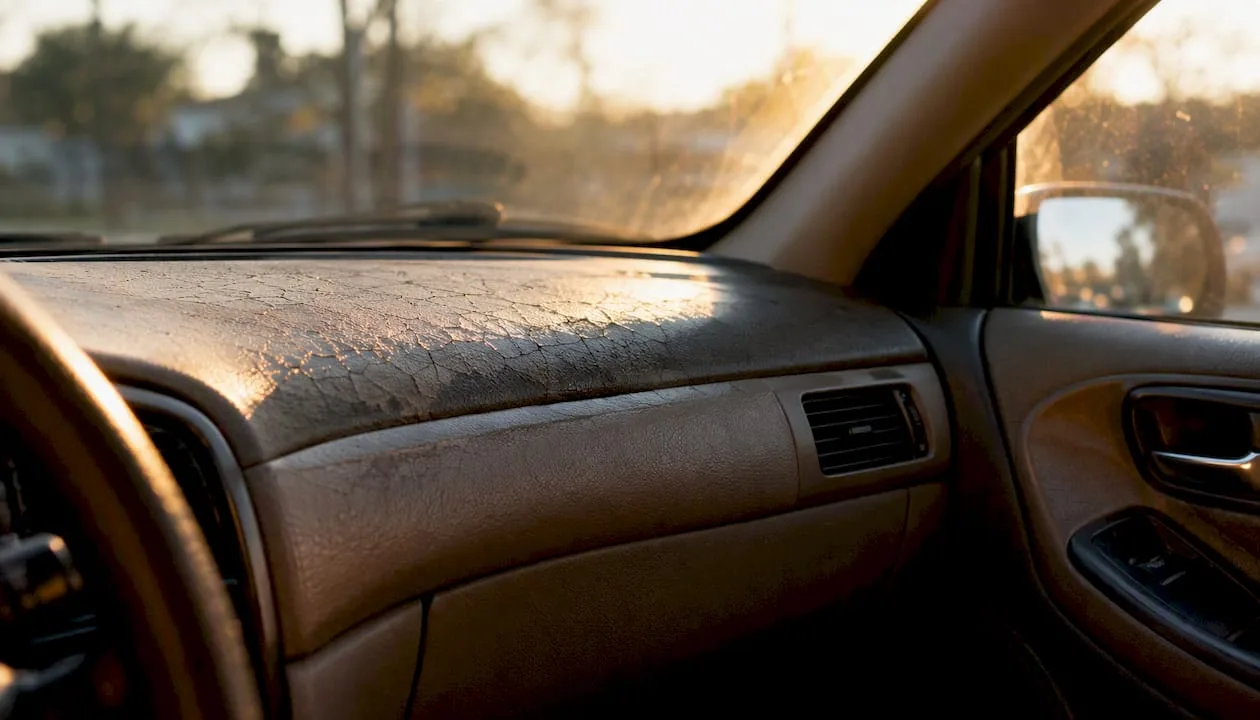
Sun Damage Car Interior: Protect and Repair What Matters
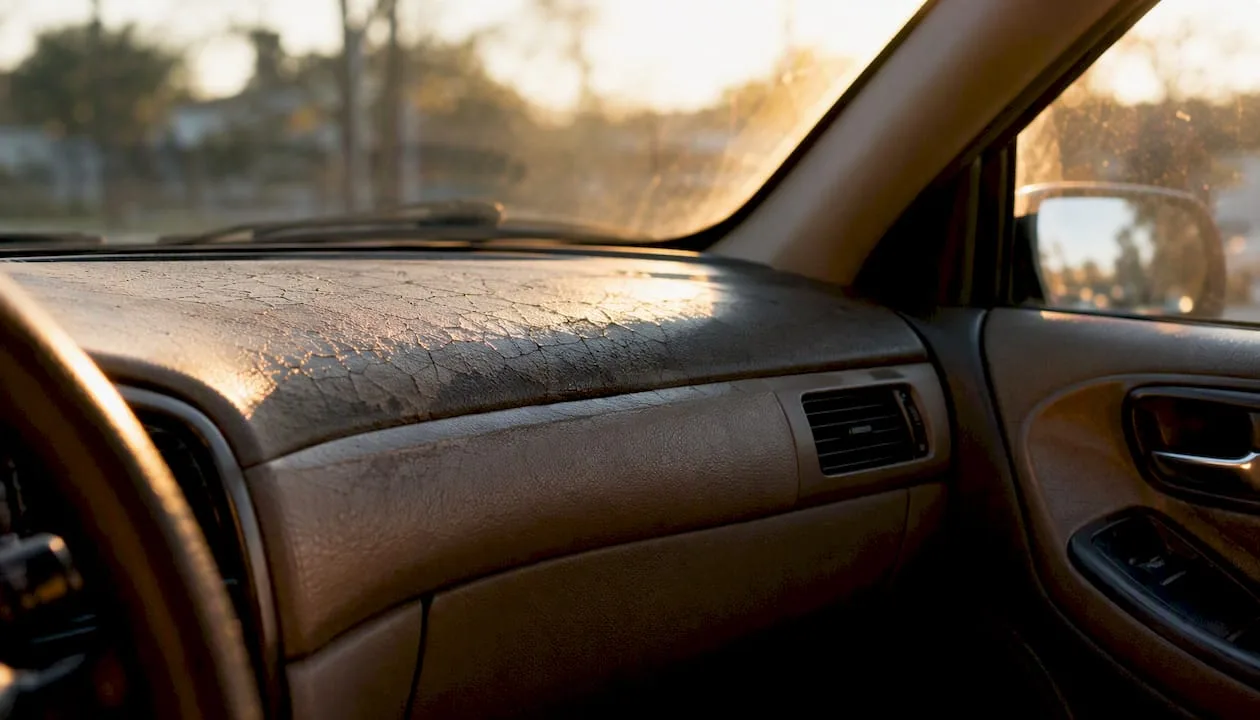
Sunlight and heat steadily break down leather, vinyl, fabric, plastics, and screens, and the fastest fix is a sunshade or shaded parking spot starting today. Heat softens materials while UV rays break their chemical bonds from the inside out, and both work faster than most owners realize.
Do this today:
- Grab a reflective windshield sunshade before your next parking spot in direct sunlight.
- Crack two windows about half an inch for airflow (this helps, but it's not a substitute for blocking the sun).
- Park facing away from direct afternoon sun when you have a choice.
Highest-impact protections, ranked:
- Ceramic window film or tint
- Covered or shaded parking
- A quality sunshade
- Breathable seat covers
Key Takeaways
Sun damage comes from UV breaking down material bonds and heat accelerating that breakdown, and blocking both consistently protects resale value far better than any single repair.
| Point | Details |
|---|---|
| Act on heat and UV together | Combine a sunshade, shaded parking, and window film rather than relying on one method alone. |
| Watch for early signs | Check the dash, wheel, and seats regularly for fading, chalkiness, or stiffness before cracks form. |
| Match products to materials | Use leather conditioner, UV sprays, or ceramic coatings as suited, and reapply every 4–6 weeks. |
| Repair early and cheaply | Small cracks and fading are DIY fixable; structural damage or delaminated screens need a professional. |
| Skip small insurance claims | Sun damage is usually treated as wear and tear, so save claims for sudden, documented events. |
Table of Contents
- How Sun Damage Affects Your Car's Interior
- What Are the Early Signs of Sun Damage in a Car?
- What's the Best Way to Prevent Sun Damage in a Car?
- Which Products Actually Protect Your Car's Interior?
- How Do You Fix Sun Damage on a Car Interior?
- Does Car Insurance Cover Sun Damage?
- A Simple Maintenance Schedule to Prevent Sun Damage
- What Lab Testing Reveals About Cabin Heat
- Why Consistency Beats a Single Fix
- Sources
- FAQ
How Sun Damage Affects Your Car's Interior
UV radiation breaks the chemical bonds holding dyes and polymers together in leather, vinyl, and plastic trim. Heat piles on top of that, accelerating oxidation and cooking the plasticizers and natural oils right out of these materials. The two forces work as a team, and neither one alone does nearly as much damage.
The numbers back up how brutal this gets. Vehicle testing has recorded interior air temperatures above 145°F and surface temperatures exceeding 195°F in direct sun. That's hot enough to warp plastic and cook the finish off a dashboard in a single brutal summer.
Each material breaks down in its own way:
- Leather loses its natural oils first, then turns stiff and starts cracking at stress points like the seat bolsters.
- Vinyl fades unevenly and turns brittle, especially on dash tops that catch direct light all day.
- Fabric bleaches out and the fibers roughen, so seats that once felt soft start to feel scratchy.
- Hard plastics oxidize into a chalky, faded finish before they eventually warp or crack.
- Screens and electronics can delaminate, and touch-response layers on infotainment displays degrade with prolonged heat exposure.
The timeline moves faster than you'd think. Within hours of a parked afternoon, cabin surfaces reach damaging temperatures. Within weeks of daily sun exposure, you'll notice the first hints of fading. Within months, plastics start turning chalky and leather starts feeling dry to the touch. Within a year or two of consistent neglect, cracks show up and colors shift permanently.
What Are the Early Signs of Sun Damage in a Car?
The first tells are subtle: a dash that looks a shade lighter than it used to, a steering wheel that feels dry instead of supple, or fabric that's lost its original richness. Left unchecked, those early signs turn into cracks, warping, and permanent discoloration.
Run a quick five-minute inspection of these spots:
- Dashboard top (the worst offender in almost every car)
- Steering wheel rim and grip areas
- Seat bolsters and headrest seams
- Door panel tops
- Center console lid
- Infotainment screen surface
Pro Tip: Check the dash in low, angled morning or evening light rather than overhead sun. Angled light reveals chalky texture and fine surface cracks that flat daylight hides completely. For leather and vinyl, gently flex a small section. If it feels stiff or shows white stress lines instead of bending smoothly, damage has already started under the surface.
What's the Best Way to Prevent Sun Damage in a Car?
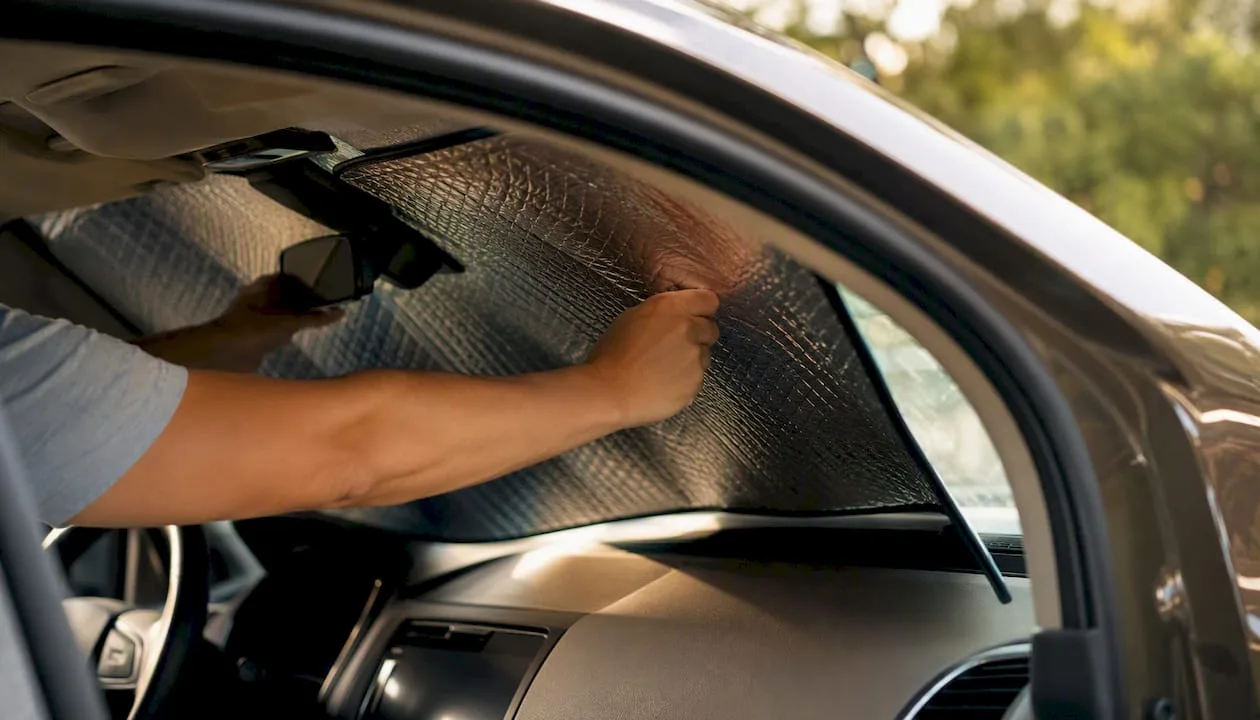
Covered or garaged parking beats every other option, because it blocks both UV and the radiant heat buildup that cooks your dashboard. When a garage isn't available, the next best move is a quality windshield sunshade paired with heat-rejecting window film, since the windshield is the single biggest opening for UV and infrared heat to flood the cabin.
Ranked from most effective to easiest to adopt:
- Ceramic or ceramic-adjacent window tint blocks a large share of incoming UV and cuts infrared heat before it ever reaches your dash, and a clear ceramic film on the windshield does this without darkening your view. Partner guides like this breakdown of heat-rejecting tint explain what separates real performance from marketing claims.
- Covered or garaged parking removes direct sun exposure entirely, which is the only method that also protects the paint and tires.
- A reflective windshield sunshade costs little and drops dash surface temperatures dramatically in minutes.
- Breathable seat covers shield fabric and leather from direct UV, though a poor fit can cause rubbing that creates its own wear.
- Cracking windows slightly helps circulate hot air but does nothing to block direct sunlight, so treat it as a supplement, not a strategy.
Before you tint your windows, check your state's local tint laws. Limits on how dark your front windows can go vary, and a shop that knows local codes will keep you street-legal while still cutting real heat.
Pro Tip: If you park in the same spot daily, alternate which side of the car faces the sun every few days when you can. Uneven fading on one side of the dash or one door panel is almost always a sign of a consistent parking pattern, not just general sun exposure.
Which Products Actually Protect Your Car's Interior?
Different materials need different treatments, and using the wrong one can do more harm than good.
| Material | Recommended Treatment | Reapplication |
|---|---|---|
| Leather | Leather conditioner with UV inhibitors | Every 4–6 weeks in high-sun climates |
| Vinyl | UV protectant spray (matte finish) | Every 4–6 weeks |
| Hard plastics | UV protectant spray or interior ceramic coating | Spray every 4–6 weeks; ceramic coating lasts months |
| Fabric | Fabric-specific UV protectant | Every 4–6 weeks |
| Screens | Microfiber cloth plus a screen cover when parked | As needed, no chemical treatment |
Follow these do's and don'ts:
- Don't use cleaners containing alcohol or ammonia on leather or vinyl. Experts warn these strip the protective oils that keep those materials flexible, speeding up cracking.
- Don't reach for greasy, high-gloss silicone dressings on your dashboard. They attract dust and can create windshield glare.
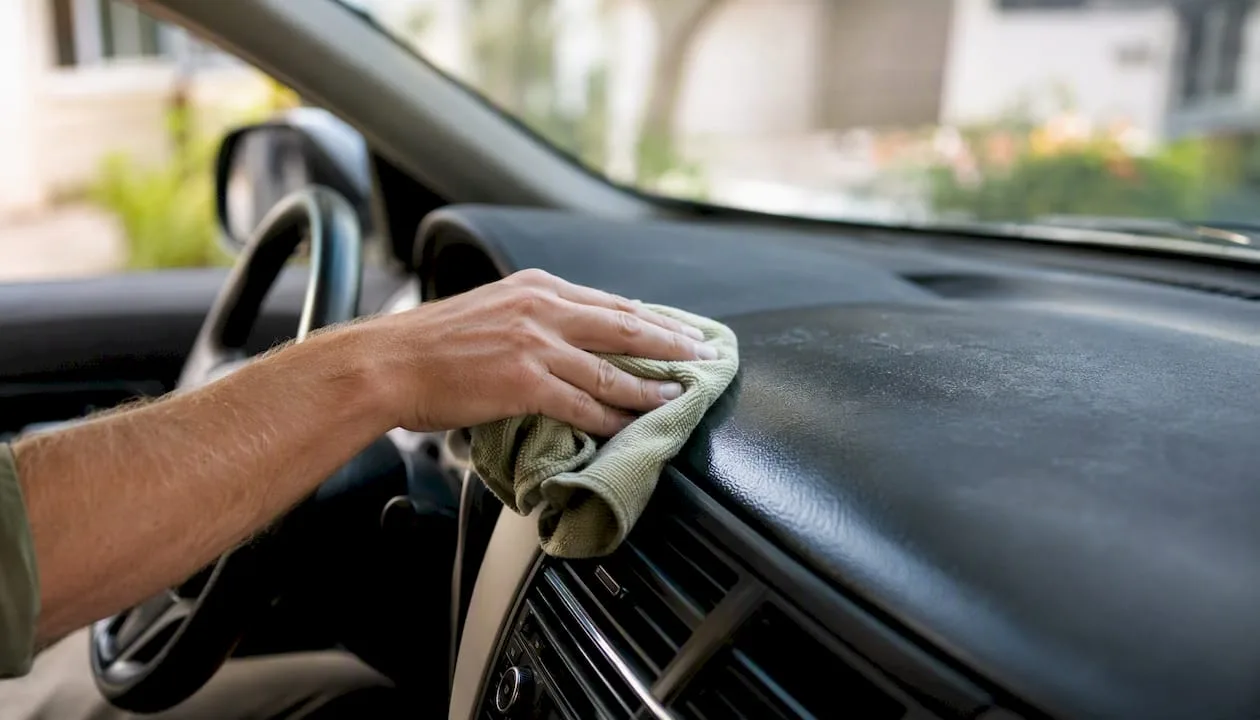
- Do use microfiber cloths for wiping down every interior surface.
- Do reapply UV sprays every four to six weeks in sunny climates, and consider tightening that to every two weeks during peak summer heat if you live somewhere especially harsh.
A layered approach works best: block the sun with a shade, apply a UV protectant regularly, and finish with a durable ceramic interior coating for surfaces that see the most exposure. Cheap dollar-store sprays often leave a greasy residue and break down within days, so spending a little more on a reputable product and having tint or ceramic coating installed by an experienced shop pays off over the life of the car.
How Do You Fix Sun Damage on a Car Interior?
Small surface cracks, minor fading, and dry leather are DIY territory. Structural dash warping, cracked airbag covers, severely dried leather, or a delaminated screen call for a professional.
Rough cost ranges for common repairs:
- Dashboard repair (crack filling and re-dye): $150 to $400 for DIY kits and small pro jobs; full dash replacement runs $500 to $1,500 or more depending on the vehicle.
- Leather seat repair: $75 to $250 for a small crack or tear; full reupholstering can run into the thousands.
- Vinyl re-dye: $100 to $300 for a professional job.
- Screen repair or replacement: $200 to $800, depending on whether it's a standalone touchscreen or integrated into the dash.
DIY dash repair kits use flexible filler and color-matched dye, and they work well for small hairline cracks, but they won't hold up on wide gaps or structural warping. Leather conditioners can restore some flexibility to dry leather, but they won't undo deep cracking once it's set in.
If you're staring at a repair decision, follow this quick workflow: photograph the damage from multiple angles, get two or three quotes from local shops, and weigh the repair cost against how much it will actually recover in resale value. Fibrenew notes that addressing a cracked dashboard early stops the crack from spreading further, which often makes the repair cheaper the sooner you tackle it.
Does Car Insurance Cover Sun Damage?
Most policies treat sun damage as gradual wear and tear, which standard auto insurance doesn't cover. Comprehensive coverage occasionally applies if the damage stems from a sudden, specific event rather than months of cumulative exposure, so it's worth a quick call to your agent to check your exact policy language.
If you do bring it up with your insurer, come prepared with:
- Dated photos showing the progression of damage
- A rough timeline of when you first noticed it
- Any evidence pointing to a specific incident rather than gradual fading
Pro Tip: Skip filing a claim for small cosmetic issues like minor fading or a single hairline crack. A claim on your record for something this minor can affect your premium and eat into your flexibility for a bigger claim down the road.
A Simple Maintenance Schedule to Prevent Sun Damage
Small, consistent habits beat any one-time fix. Build this into your routine:
- Every time you park in the sun: deploy your sunshade.
- Weekly: wipe down the dash and vacuum seats and carpets.
- Monthly: condition leather and check plastics for early chalkiness.
- Every 4–6 weeks: reapply UV protectant spray (tighten to every 2 weeks in extreme summer heat).
- Seasonally: do a full inspection for cracks, warping, or fading before they spread.
If you live somewhere with intense, near-constant sun, shift toward the tighter end of these intervals. A simple infrared thermometer or even a phone-based temperature sensor can tell you exactly how hot your dash gets in your usual parking spot, which helps you decide whether to invest in tint or just rely on a shade.
What Lab Testing Reveals About Cabin Heat
Lab-recorded interior temperatures above 145°F and surface readings past 195°F aren't outliers. They're what a car parked in direct sun regularly hits, and materials under that kind of thermal stress break down far faster than owners expect.
Experts also flag a mistake many people make while cleaning: alcohol and ammonia-based products strip the oils that keep leather and vinyl flexible. Stick to interior-specific cleaners and conditioners built for automotive materials, not household glass cleaner.
Why Consistency Beats a Single Fix
The cars that come through our lot with interiors that still look new almost always belong to owners who did the small things consistently: a shade every time, conditioner every month, nothing fancy. The ones with cracked dashboards and sun-bleached seats usually tried one big fix, like a single tint job, and then stopped paying attention.
That consistency shows up directly in resale value. A well-preserved interior signals a car that's been cared for overall, and buyers notice that the moment they open the door.
Sources
- State Farm — Protect your car from the damaging effects of sun and heat
- Chemical Guys — Car sun damage (interior how-tos)
- Capital One Cars — 5 ways to protect your car interior from the sun
- Fibrenew — Cracked dashboard (repair and prevention)
FAQ
How Do You Fix Sun Damage on a Car Interior?
Small cracks and fading respond to DIY dye kits, flexible filler, and leather conditioners, while warped panels or delaminated screens need a professional repair or replacement.
How Expensive Is It to Fix Sun Damage on a Car?
Repair costs for sun damage vary from moderate for minor fixes to higher for full dashboard replacement, depending on the extent of damage and vehicle type.
Can Sun Damage Be Fixed on a Car?
Yes, cosmetic sun damage like fading, dryness, and small cracks can usually be repaired or improved, though severe cracking or warping may require replacing the affected part entirely.
Is Sun Damage Covered by Car Insurance?
Standard auto insurance typically treats sun damage as gradual wear and tear and doesn't cover it, though comprehensive coverage may apply in rare cases tied to a specific, sudden event.
How Often Should I Reapply UV Protectant?
Reapply UV protectant regularly, with intervals shortened during peak summer heat or in very sunny regions.
Recommended
- Buying a Used Car in Clearwater: 9 Things to Check Before You Pay | Clearwater Largo Automotive
- Buying advice from a Clearwater dealer | Clearwater Largo Automotive
- Buying a first car for a teenager in Clearwater and Largo | Clearwater Largo Automotive
- Sell your car in Clearwater, FL | Clearwater Largo Automotive