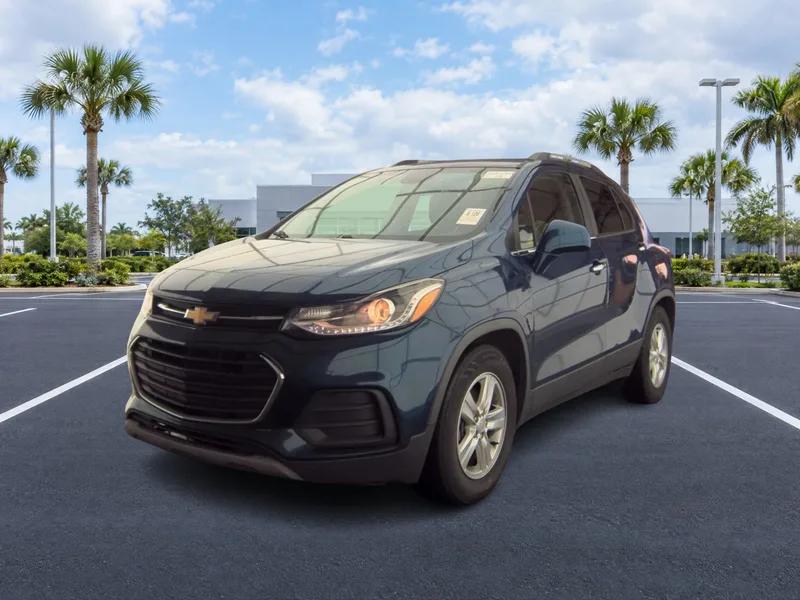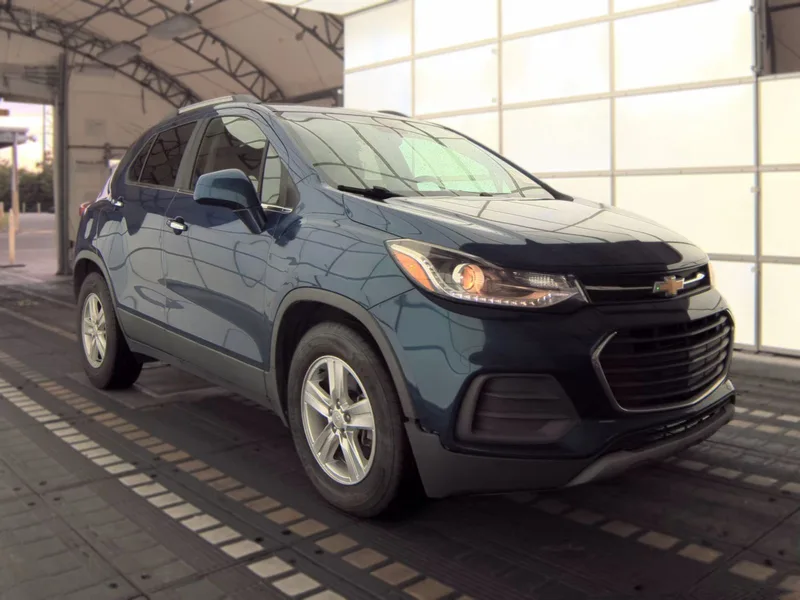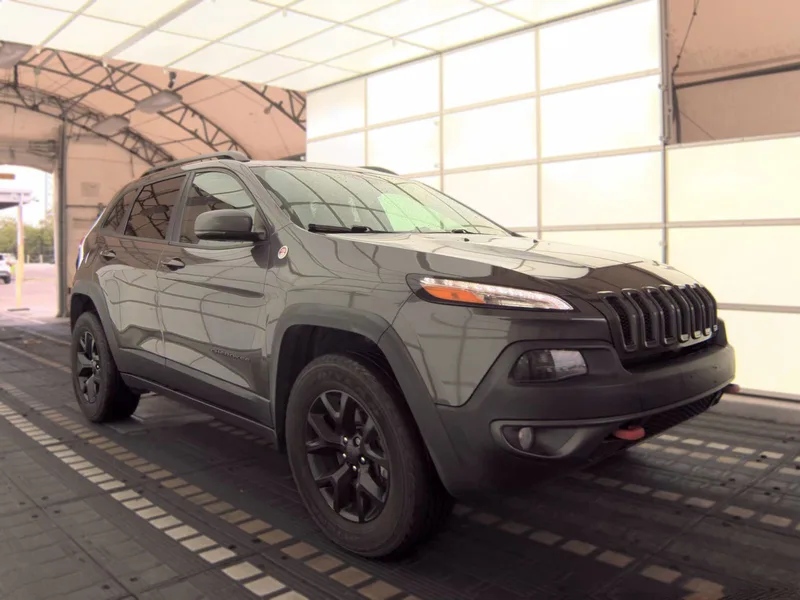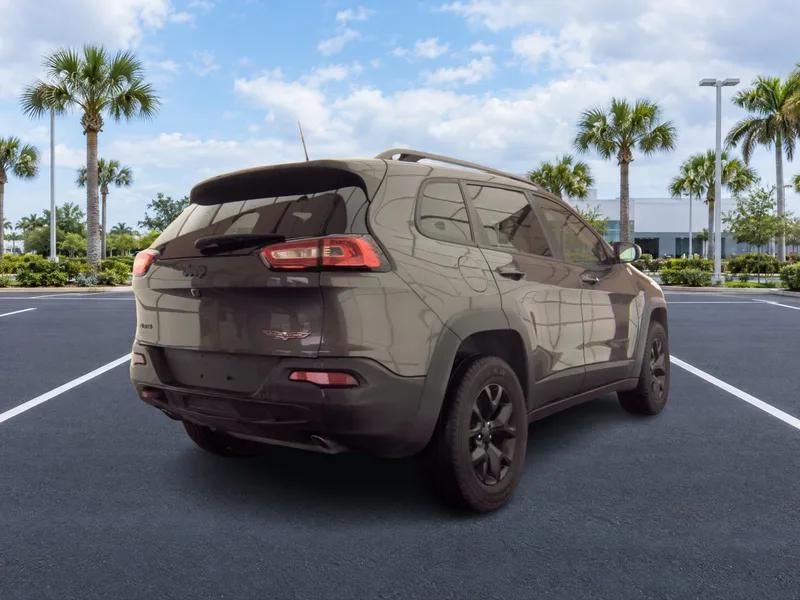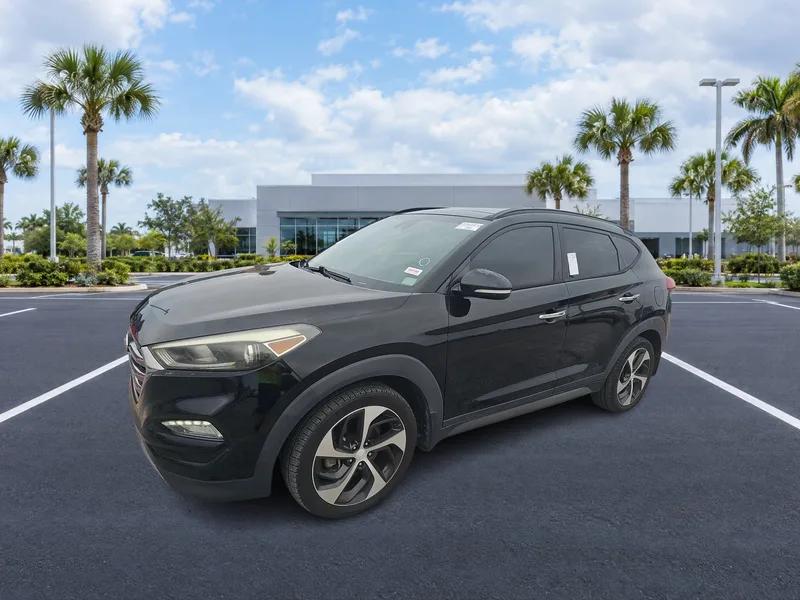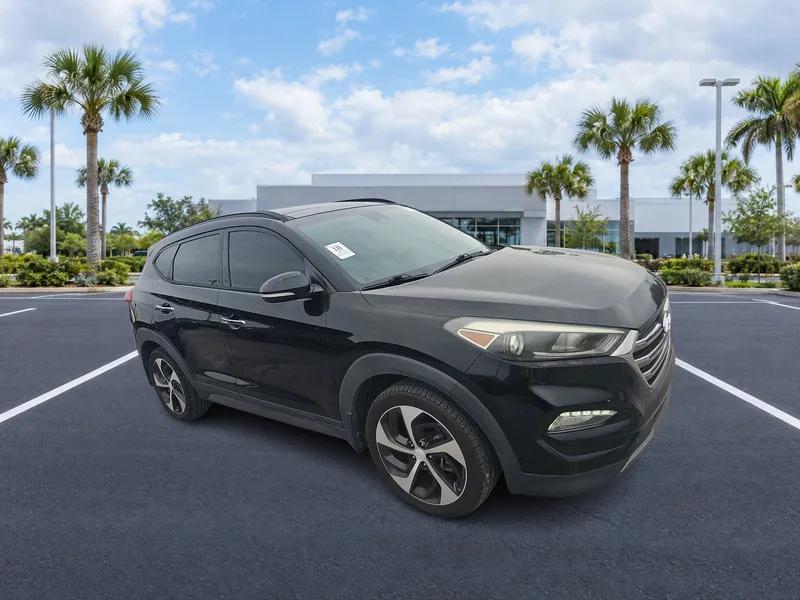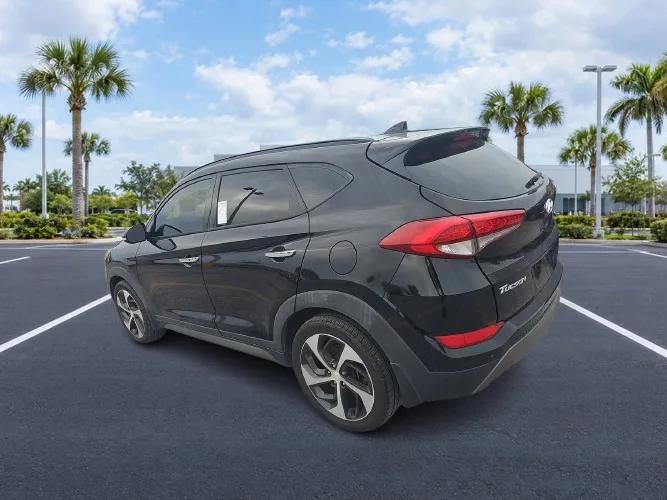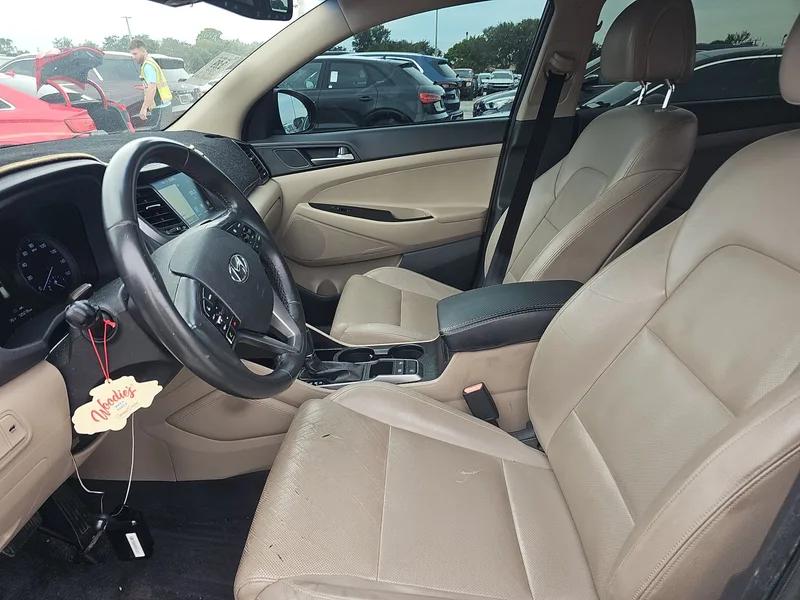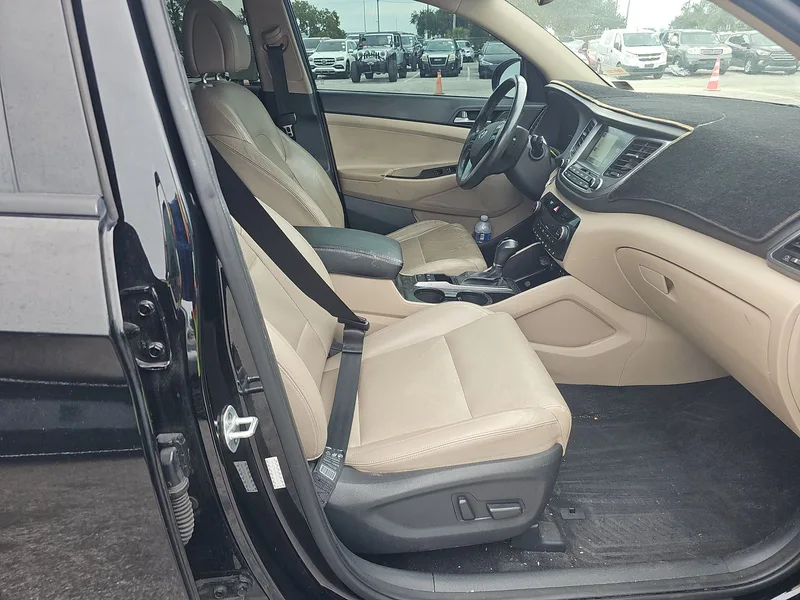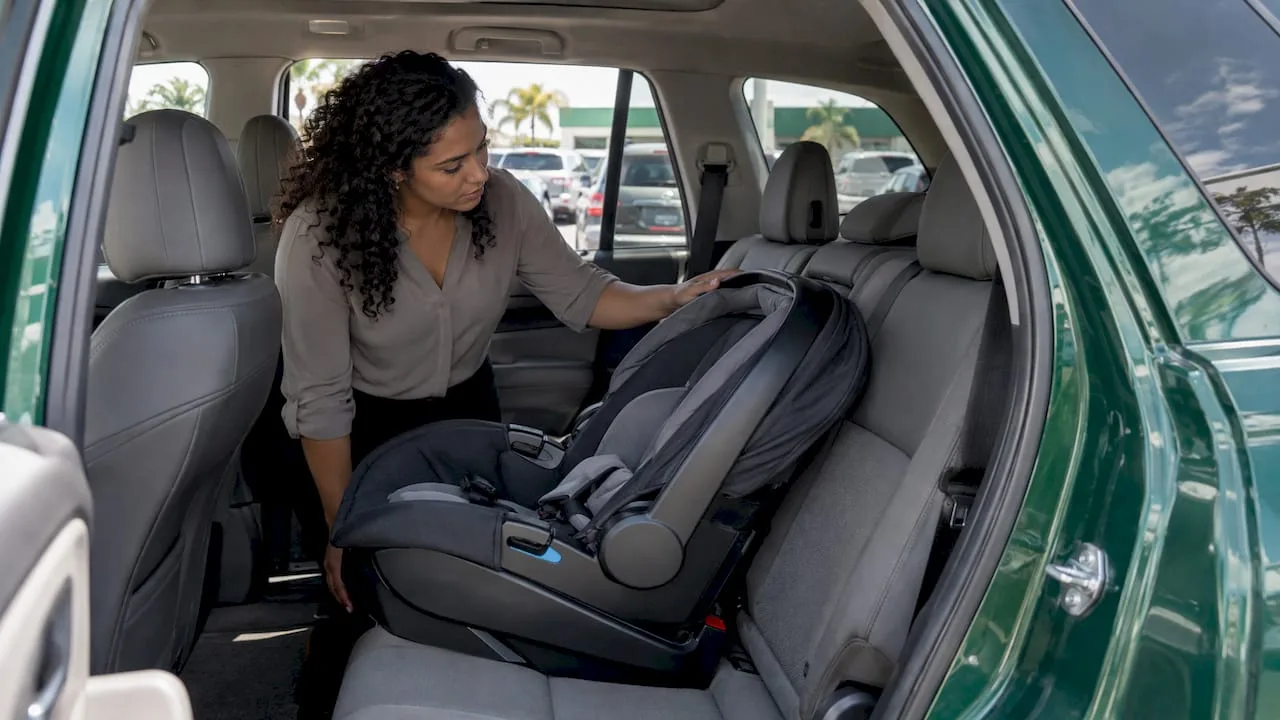
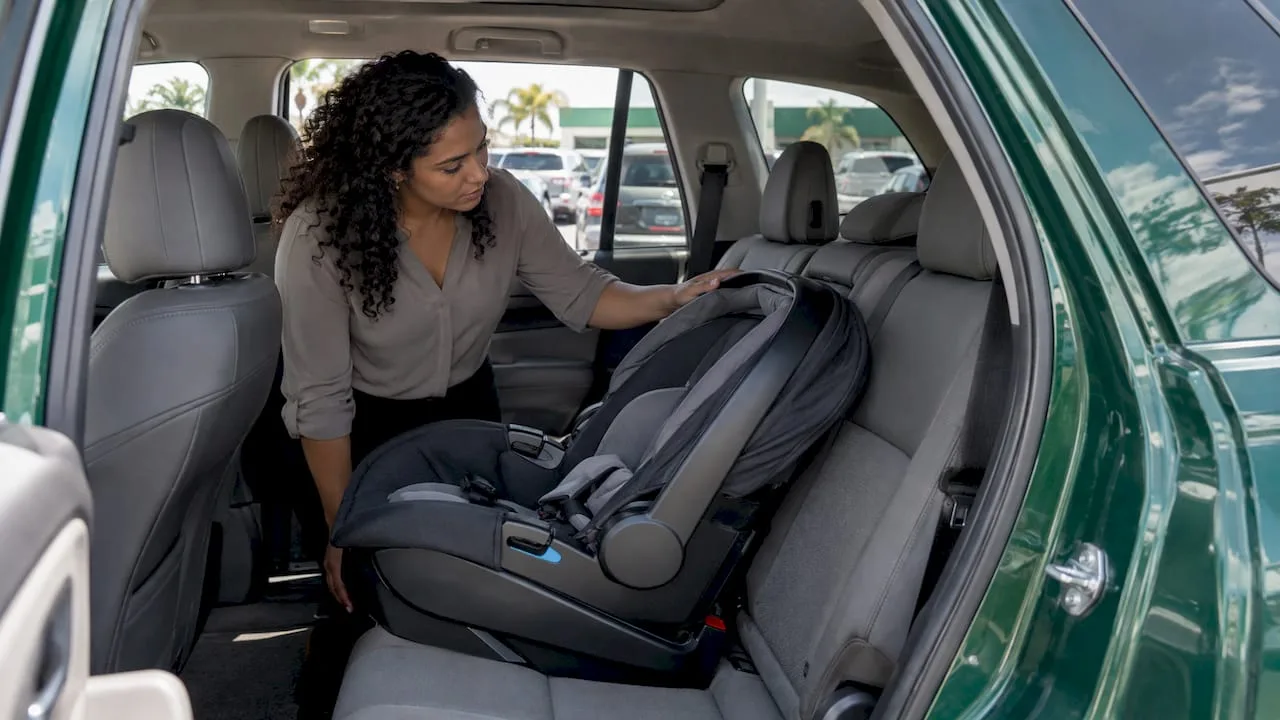
The only reliable car seat fit check is an installed one: bring your child's seat to the car you are considering and install it before you buy. Federal guidance says not all car seats fit in all vehicles, and the fit depends on the exact seat, the exact back seat and your exact family. A brochure or a spec sheet can't tell you that. At Clearwater Largo Automotive we'd rather you find out in our lot than in your driveway after the paperwork is done.
TL;DR
- Install your own car seat in the car before you buy it. Test it where the seat will actually ride, not just in the easiest position.
- Use either the lower anchors or the seat belt, never both. A tight install moves no more than 1 inch side to side or front to back when you pull at the belt path.
- Check the child too: harness height, snug straps, chest clip at armpit level, and for boosters, a lap belt across the upper thighs.
- If the seat doesn't fit, that is useful information. Try another position, another seat or another vehicle before you commit.
- Certified technicians usually check installations for free. NHTSA's inspection finder lists the stations.
Table of Contents
- Why fit comes before the price tag
- What to bring
- The car seat fit check, step by step
- Check the child, not just the seat
- Where fit problems show up by vehicle type
- If the seat doesn't fit
- Don't skip the car's own inspection
- Seat rules are changing, so check the label
- Get a second pair of eyes
- Bring your seats to Clearwater Largo Automotive
- FAQ
- Sources
Why fit comes before the price tag
Most used car shoppers with kids start with budget, mileage and history. Those matter, and we put the price on every listing so you can judge them. But a car that is cheap and clean and still can't hold your rear-facing seat at the right angle is the wrong car for you.
Fit problems are common because vehicles differ a lot in the back seat. NHTSA's parent's guide notes that installation can be hard in pickup trucks, two-door vehicles, and vehicles with small rear seats, deep bucket seats, split bench seats or forward-anchored belts. Its advice is to buy a seat you can install and use correctly every time. The same logic applies when you buy the car: the car and the seat have to work as a pair.
There is also a practical reason to do it before purchase. A seat that has to be wrestled into place gets installed loosely, or gets moved to a different seat in a hurry, or gets skipped on a short trip. A fit check at the dealership takes about fifteen minutes and removes that problem.
What to bring
- Every car seat you use. Bring the infant seat, the convertible, the booster, whatever rides in this car. If you plan to put two or three across, bring them all.
- The car seat manual. NHTSA says to read both the seat's manual and the vehicle owner's manual before installing. Each tells you things the other can't, such as which seating positions allow a seat at all.
- Your child, if you can. Seat fit and child fit are separate checks, and the second one only works with the child in the seat.
- The other riders. If a tall adult sits in the front seat, check that the seat still works with the front seat moved to where that person needs it.
- Your questions about the vehicle. Ask which back positions have lower anchors and tether anchors, and ask to see the owner's manual if it isn't in the glove box.
Our own guide to bringing your car seats to compare a minivan and an SUV walks through testing LATCH, the lower anchor system, on the car you are considering.
The car seat fit check, step by step
Find the anchors first. Lower anchors are two small horizontal bars in the crease of the seat, found in a minimum of two rear seating positions. Vehicles typically have at least three tether anchors. In a sedan, the tether anchor is usually on the rear shelf. In vans, pickups and SUVs it may be on the seat back, floor or ceiling. Note which positions have what. Many cars have lower anchors only in the two outer positions, so the center seat may need the seat belt instead.
Check the space. The Child Passenger Safety Board's rear-facing training guide lists what a rear-facing seat needs from the vehicle seat: contours that let the seat sit level, room for the correct recline angle, at least 80% of the base resting on the vehicle seat unless the seat maker says otherwise, and a belt or anchor path that allows a tight install. If the front passenger has to slide up so far that their knees press the dash, the fit fails in practice even when the install is tight.
Pick one method, not both. Install with the lower anchors or with the seat belt. NHTSA says never both. If the anchors have a weight limit, your car seat manual states it, and you'll need to switch to the seat belt once your child passes it.
Set the recline for rear-facing seats. Most rear-facing seats have a built-in angle indicator, and NHTSA tells you to install at the correct recline angle. A steeply sloped vehicle seat can push the indicator out of range. If you need to adjust, follow your seat manual for what is allowed.
Tighten, then pull at the belt path. Put your weight into the seat while you remove slack. Then hold the seat where the belt or anchor strap passes through it and pull side to side and front to back. It should move no more than 1 inch. Don't test by shaking the top of the seat near your child's head. The Child Passenger Safety Board's training materials point out that caregivers often misjudge tightness that way, because the 1-inch limit applies at the belt path.
Add the tether on forward-facing seats. NHTSA recommends always using the tether with a forward-facing seat, whether you install with the seat belt or the lower anchors, as long as both the seat and vehicle makers permit it. It limits forward head movement in a crash. Make sure you can actually reach the tether anchor and that cargo or a folded seat doesn't block it.
Do it again in the seat you will really use. If you plan to use the passenger side and the driver side, test both. If it only fits in one spot, you'll know before you buy.
Watch the little things while you work. Can you reach the buckle? Does a stiff buckle stalk tilt the seat? Do the front seats still move to where adults need them? These are the details that make a seat "fit" on paper and fail on a Monday morning.
Check the child, not just the seat
A tight installation is half the job. The other half is how your child sits in it.
For a forward-facing child, NHTSA's guidance is that the back and bottom sit flat against the seat, the harness straps lie flat and untwisted, they come through slots at or above the shoulders, they are snug enough that you can't pinch any material, and the chest clip sits at armpit level. Rear-facing is the opposite on strap height: the straps go through slots at or below the shoulders.
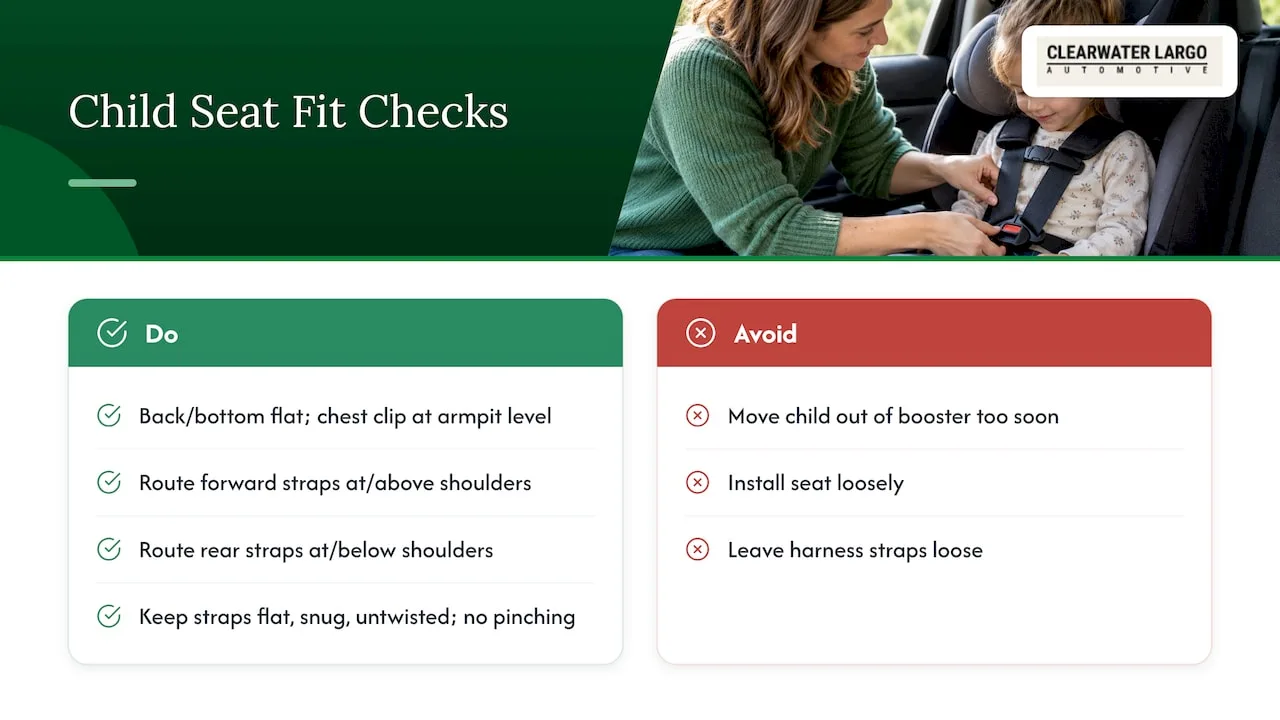
AAA names three mistakes that come up again and again: moving a child out of a booster too soon, installing the seat too loosely, and leaving harness straps too loose. The loose-install and loose-harness mistakes are exactly what a pre-purchase check catches.
Boosters and the seat belt test
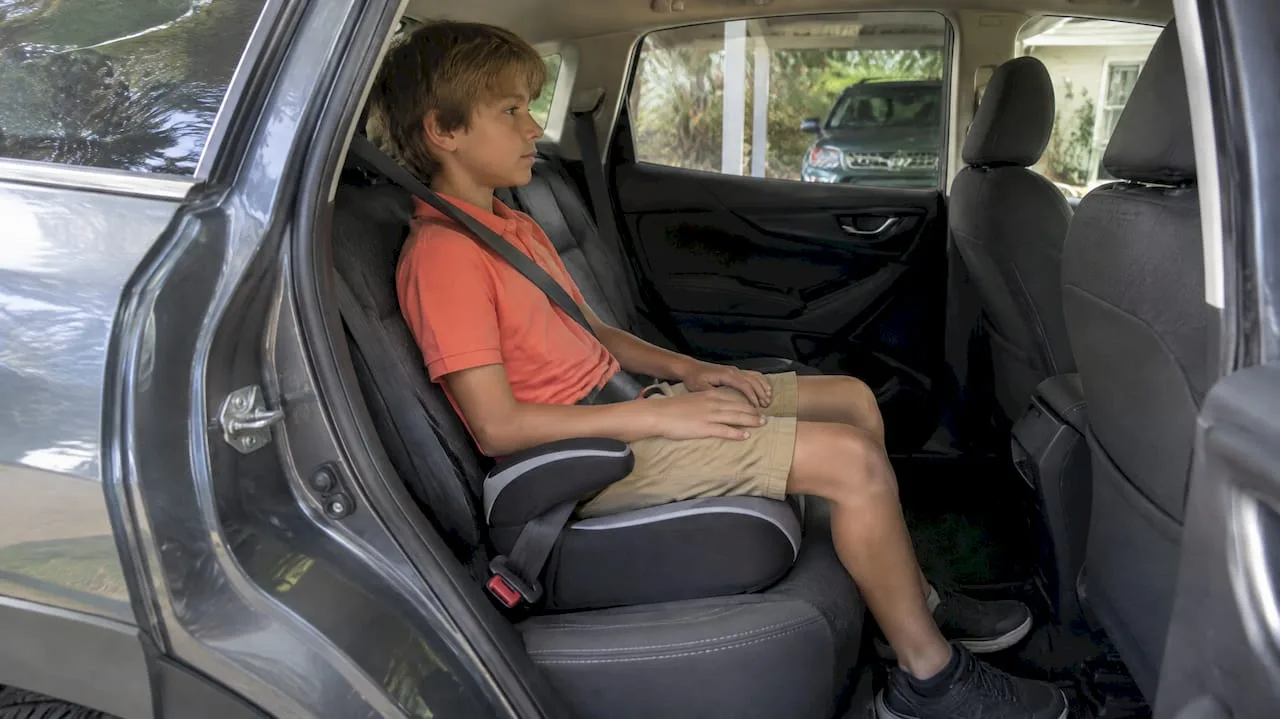
With a booster, the car's own belt does the work, so the car matters even more. NHTSA says the lap belt must lie snugly across the upper thighs, not the stomach, and the shoulder belt across the chest. A backless booster is only for seating positions with a head restraint or high seat back, and it must be used with a lap-and-shoulder belt.
AAA's test for whether a child can leave the booster has three parts: knees bend at the edge of the seat with the back against the seat back and feet on the floor, the lap belt fits snugly across the hips or upper thighs, and the shoulder belt crosses the shoulder and chest, not the face or neck. If any one fails, the child stays in a booster. Different cars have different belt geometry, so run this test in the car you are thinking about buying, not just the one you drive now.
Where fit problems show up by vehicle type
What works in one body style may not in another. Here is what to look for.
Sedans and hatchbacks. The rear shelf usually holds the tether anchor, which makes forward-facing seats easy to tether. The trade-off is often a sloped, contoured back seat that can affect rear-facing recline and leg room for the front passenger. Our guide on hatchback versus sedan routines covers how daily use changes the pick.
SUVs. Flatter back seats and more height make buckling easier. Check where the tether anchors sit, and check that a third row or cargo area doesn't block them. If you are weighing compact against midsize, see our seven steps for parents choosing an SUV. You can browse used SUVs in Clearwater with prices listed.
Minivans. Wide seat benches and many anchor positions help, but captain's chairs and stow-and-go seats can limit where a seat can go. Vehicle features like inflatable seat belts, forward-tilting non-removable headrests, stow-and-go seats, very shallow seats and rigid buckle stalks can all limit fit, so check for them.
Trucks and two-door cars. Back seats are often small or have limited positions. The Children's Hospital of Philadelphia says side-facing truck jump seats are unsafe for children. Check for lap-and-shoulder belts in every back seating position you plan to use. If bucket seats interfere with an install, CHOP suggests trying a narrow-base seat with a top tether.
The center seat. Boosters can often go in a narrow center position when the vehicle maker doesn't disallow it, the lap belt and buckle don't come from behind or under the booster, and belt fit is checked for the child there. Always verify in the car.
If the seat doesn't fit
Try the simple fixes first. Switch positions. Swap from anchors to the seat belt, or the reverse, as your manuals allow. Try a narrower seat if width is the issue. Then ask whether the vehicle is the problem.
Fit is about the whole routine, not one install. Safe in the Seat's guidance describes a seat as fitting when the child meets the seat's requirements, it installs correctly in an allowed position, everyone can ride safely, and it works in daily life. If the install passes but you can't fit your tall front passenger or a third seat, the car isn't right yet.
That's where sourcing helps. If you know you need three-across, lower anchors in particular positions or a certain row layout, tell us what you need and we'll look for it, so the cars you see already meet your requirements.
Don't skip the car's own inspection
A car seat fit check tells you the seat works. It doesn't tell you the car is sound. Seat belts, anchors and the mechanical condition all belong to the used car's own inspection. Our used car inspection checklist for Florida buyers and test drive checklist cover what we look at, and this walkthrough on checking out a used car is a good companion for understanding the basics of what an inspection covers. Every car we list has been hand-inspected with a history report ready before it is listed.
Seat rules are changing, so check the label
Federal rules for car seats are in transition. Under the updated federal standard, seats made on or after December 5, 2024 must label the mass and height ranges for each mode, and may not recommend forward-facing harness use under 12 kg (26.5 lb) or booster use under 18.4 kg (40 lb). The Child Passenger Safety Board's overview shows that seats made from December 5, 2026 onward must meet the 213b version of the standard, while earlier seats follow earlier versions.
What that means for you: a newer seat may carry different labels than an older one. Read the label on each seat you bring, and use the limits on that label. State laws on ages and positions differ too, so check your state's current rules. Florida families can start with the state's own pages.
Get a second pair of eyes
After you buy, have an expert check your final installation. NHTSA says certified Child Passenger Safety Technicians will inspect your seat free of charge in most cases and show you how to install and use it, and some locations offer virtual inspections by video call. NHTSA's Car Seat Inspection Finder lists stations. Do this again whenever your child moves to a new seat stage, and with every caregiver who drives them.
Our view: the fit check belongs in the buying process
We run an independent used car dealership in Clearwater, and we hear the same frustration from parents: they found the car, agreed the price and only then discovered the seat didn't work. We think that's backwards.
That's why every listing shows its price up front, with no hidden fees, and why each car is hand-inspected and has a history report before it goes up for sale. A family shouldn't have to guess about the car and then also guess about the back seat.
Every inquiry is answered by a real person, so you can say what seats you own, how many kids ride and who else sits up front. If the cars on the lot don't fit that, we can source a specific vehicle for you, so you only see cars that match what you asked for.
Bring your seats. Install them. Take your time.
CL Auto
Bring your seats to Clearwater Largo Automotive
If you are shopping for a used car for your family, start with our hand-picked used cars in Clearwater, each listed with its price and with the inspection and history report done first. If you need financing, our financing page explains the options with multiple lenders, and the car payment calculator helps you work out a monthly figure before you visit.

If you want a particular layout, such as lower anchors in specific positions or room for three seats across, ask us to find it. Or look at the full list of our used cars and bring your seats to test.
FAQ
How do I get my car seat checked?
Find a station with a certified Child Passenger Safety Technician through NHTSA's Car Seat Inspection Finder. NHTSA says the check is free in most cases, and some locations offer virtual inspections. Bring the seat, both manuals and your child.
How tight should a car seat be?
When you pull at the belt path, the seat should move no more than 1 inch in any direction. Test at the belt path, not at the top of the seat. Use the seat belt or the lower anchors, never both.
Does my car seat have to be tested in the car before I buy the car?
It's the best way to know. NHTSA advises you to test the seat you plan to buy in your vehicle before purchase, and the same applies to a car you are about to buy. Bring your own seat so you test the real combination.
When does my child move out of a booster?
When the adult belt fits correctly without it. AAA's test checks that the child's knees bend at the seat edge with their back against the seat, the lap belt lies across the hips or upper thighs, and the shoulder belt crosses the chest and shoulder, not the face or neck. If any one fails, keep using the booster.
Sources
- Car Seat & Booster Seat Safety, Ratings, Guidelines | NHTSA
- Car Seat Installation Tips | NHTSA
- Vehicle and Car Seat Parts Explained | NHTSA
- How to Install Forward-Facing Car Seats | NHTSA
- How to Install a Booster Seat | NHTSA
- Keeping Kids Safe: A parent's guide | NHTSA
- Children in Rear-Facing Car Seats | Child Passenger Safety Board
- FMVSS 213, 213a and 213b Overview | Child Passenger Safety Board
- 49 CFR 571.213 | eCFR
- AAA: Is your child properly secured in the car?
- Buying a car | Children's Hospital of Philadelphia
- When the Car Seat Does Not Fit in the Vehicle | Safe in the Seat
- FAQ | Evenflo Product Information
- How to check out a used car