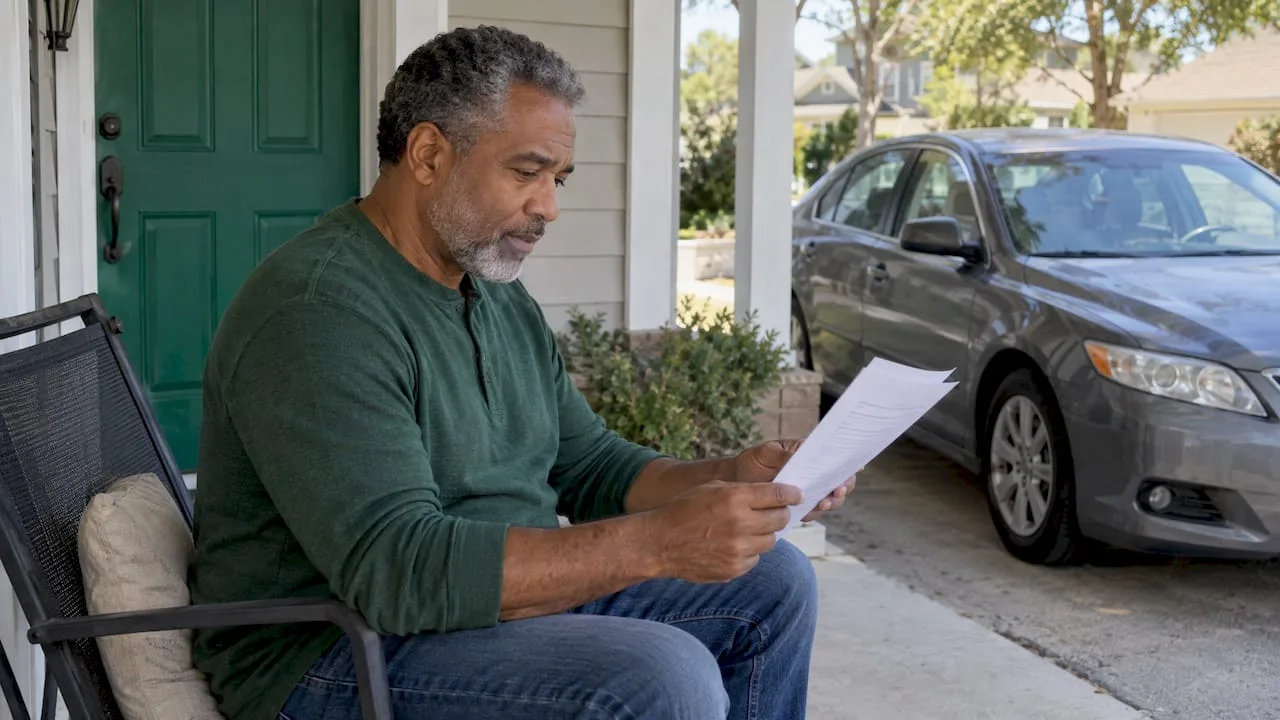
A vehicle history report is a record of what has been reported about a used car, tied to its VIN. It can show owners, title status, accidents, mileage readings and service entries. It is a strong first filter, but it only covers what was reported, so it works best next to a physical inspection and a test drive. Below we explain what is on the report, how to read it, how CARFAX and AutoCheck differ, and what to do when something looks off.
TL;DR
- A history report is a VIN-based timeline of reported events: owners, title brands, accidents, odometer readings, service and recalls.
- CARFAX is known for deeper service and damage detail. AutoCheck costs less and adds a score. Neither sees everything.
- A clean report does not mean a clean car. The FTC says a report is no substitute for an independent inspection.
- Read the report in order: title first, then accidents, then mileage, then owners and service.
- Free checks (NHTSA recalls, NICB VIN lookup) fill gaps but do not replace a full report.
Table of Contents
- What a vehicle history report actually is
- What CARFAX shows
- How to read a history report, step by step
- CARFAX vs. AutoCheck: which one should you use?
- Free checks that fill the gaps
- Why the report is only half the job
- A worked example
- Our point of view
- Looking for a car with the history already checked?
- FAQ
- Sources
What a vehicle history report actually is
Think of it as a timeline. Car and Driver describes reports as a chronological record from the time the car was built or reached a dealership up to today, pulled from databases of public and industry records.
Kelley Blue Book defines it as a collection of records about a used vehicle that may affect whether you buy it or how much you pay. Depending on the provider and the data available, it can show:
- Number of owners and how the car was used (personal, lease, rental, fleet).
- Title and registration history, including the states where it was titled.
- Accidents and damage reports.
- Odometer readings over time.
- Service and repair records.
- Total-loss, salvage or lemon-law branding.
- Recalls, inspections and warranty information.
The FTC's used-car guidance says the same in plainer terms: a report may include ownership history, accidents, repair records and whether the car was declared salvage.
One detail matters here. The report does not look at the car. It reads what other institutions wrote down: DMVs, insurers, auctions, repair shops. If nobody wrote it down, it is not on the page.
What CARFAX shows
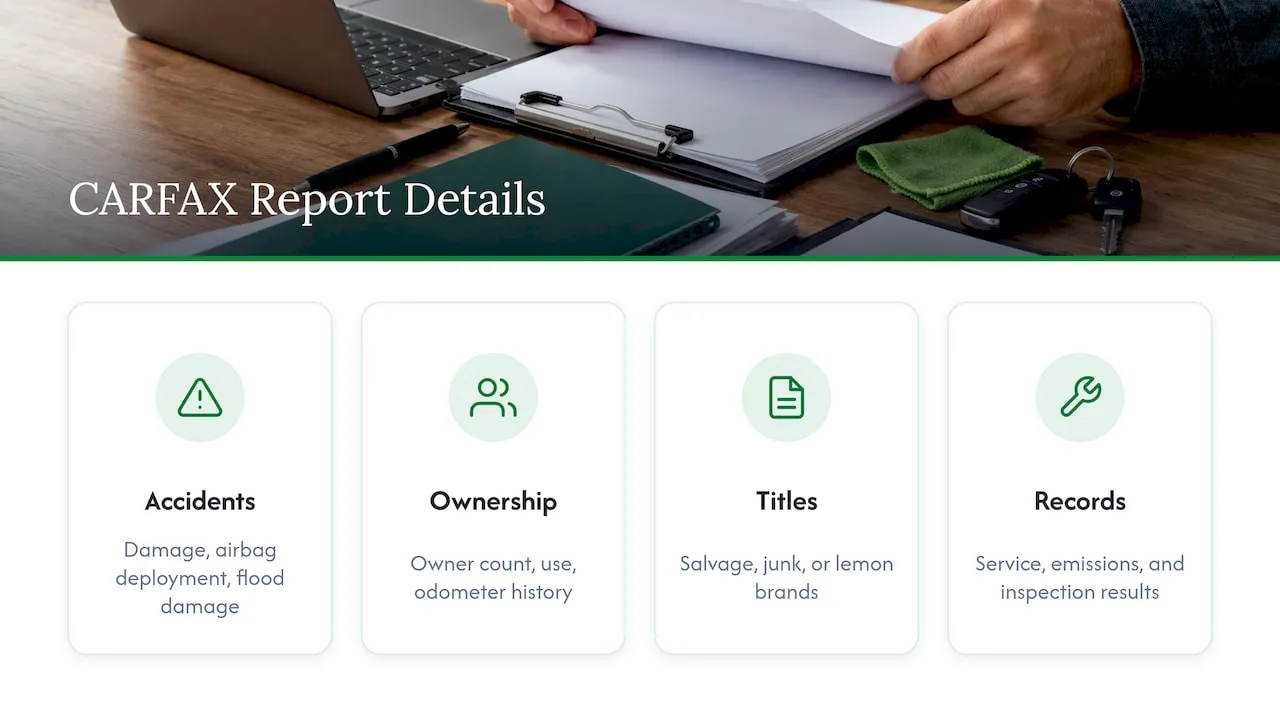
CARFAX is the name most shoppers know, and it is what most people mean when they search "what does CARFAX show." Its reports include reported accidents and damage, with severity and point of impact where available, along with airbag deployment, flood damage, owner count and use, odometer history, title information (salvage, junk or lemon brands), service history, and state emissions and inspection results.
Car and Driver points out a useful trick: because mileage is attached to dated entries, you can spot an odometer that does not add up. CARFAX may also include a history-based value estimate.
What can be missing
A CARFAX report can look spotless and still leave gaps. Capital One's guide to CARFAX gaps explains that the data comes largely from state agencies, insurers and participating repair shops and dealerships. That means these things can slip through:
- Work done at shops that do not report.
- Do-it-yourself maintenance.
- Accidents the owner paid for out of pocket without an insurance claim.
- Detail behind a service entry (an "oil change" line tells you little about the rest of the car).
Kelley Blue Book adds two more points. A report is a snapshot, possibly a month old, so damage from last week may not appear yet. And minor crashes, vague police or repair descriptions and the quality of a repair may be absent or unclear.
How to read a history report, step by step
Do not skim for the word "accident" and stop. Read the report in this order, because it mirrors what matters most to your wallet and your safety.
- Match the VIN. Get the VIN from the seller, or from the Buyers Guide on the window of a dealer car, as the FTC notes. Then check that the VIN on the report matches the one on the dashboard and the door jamb sticker. If they differ, stop and ask why.
- Read the title section first. Look for salvage, junk, rebuilt, flood or lemon brands. A branded title changes what the car is worth and how hard it is to insure or resell. If you are weighing a rebuilt car on purpose, our guide on what to demand when buying rebuilt or salvage cars covers the paperwork.
- Check accident and damage entries. Note severity, point of impact and whether airbags deployed. Front-end damage with airbag deployment is a different story than a scuffed bumper reported by a body shop.
- Walk through the odometer readings. Mileage should climb steadily with dates. A drop, a long flat stretch followed by a jump, or a reading that is lower than the previous one is a red flag.
- Look at ownership and use. Count the owners, then ask how each one used the car. A one-owner personal car and a four-owner former rental are not the same animal, even at the same mileage.
- Read service entries for patterns. Regular oil changes and tire rotations are reassuring. Long gaps are not proof of neglect, but they tell you what to ask about.
- Check where the car lived. Titles in multiple states are normal. A title history in an area hit by a major flood is worth a closer look underneath the carpet and in the trunk well.
- Compare the report to the car. Car and Driver's advice is to check the report against a physical inspection, ask the seller about anything that does not match, and consider walking away if the answers are poor.
Red flags worth slowing down for
These entries do not always mean "no deal," but each deserves a direct question to the seller:
- Any branded title: salvage, junk, flood, lemon or rebuilt.
- Airbag deployment or structural damage.
- An odometer inconsistency.
- A title moved through several states in a short time.
- A sudden gap in history, especially right after an accident entry.
- Heavy use as a rental, taxi or fleet car, if the seller did not mention it.
- A report the seller will not share, or one that looks edited or is only a screenshot.
If a seller will not give you the VIN so you can pull your own report, that tells you plenty.
CARFAX vs. AutoCheck: which one should you use?
Both are legitimate, both draw on large databases, and both miss things. The differences are in emphasis.
| CARFAX | AutoCheck | |
|---|---|---|
| Known for | More extensive maintenance records, damage detail (severity, impact location), value estimate | Lower price, a score, auction data |
| Score | No single score | AutoCheck Score, 1 to 100 |
| Single-report price (Edmunds, 2026) | $44.99 | $29.99 |
| Multi-report price | $59.99 for two, $109.99 for four | $59.99 for five within 21 days |
| Access window | 60 days for purchased reports | 21 days |
Prices come from Edmunds' 2026 comparison. The access windows come from Capital One's comparison of the two, which also notes that AutoCheck supplies data from the two largest U.S. auctions. Prices change, so confirm them on each provider's site before you buy.
How the AutoCheck score works
The AutoCheck Score is a 1 to 100 number. According to Experian's white paper on the score, it compares a vehicle with others of similar age and class and estimates its likelihood of still being on the road in five years. The inputs include age, mileage, owners, rental use, accidents, title brands and auction announcements. The official AutoCheck sample report shows how the score and a comparable-vehicle range appear on the page.
Use the score as a quick sorting tool across a shortlist. It is not a mechanical grade.
Why two reports can disagree
Edmunds ran a test on a 2014 Porsche Boxster. CARFAX showed 15 service records and AutoCheck showed three. CARFAX also counted five owners versus three, because the two services treated dealership possession differently. Same car, same VIN, different pictures.
That is why shoppers who are close to buying often pull both on a car they are serious about. A cheaper option is to pull one report and add the free checks below.
Free checks that fill the gaps
A paid report is not the only tool. The FTC recommends two free ones alongside it:
- NHTSA recall lookup by VIN. Open safety recalls are free to check, and the FTC points buyers to NHTSA for this.
- NICB's VIN service. The FTC suggests it for flood, theft and salvage indicators.
The FTC also says buyers can choose an NMVTIS-approved provider for title, insurance-loss and salvage data, and that other providers may add accident and repair history. We walk through that title check in 5 NMVTIS-backed steps to verify a clean title.
On cost, the Georgia Attorney General's office says vehicle history reports typically cost $25 to $40 and may show odometer discrepancies, accident history, owner count, salvage, theft and flood damage. Against a purchase of thousands of dollars, that is small money for a lot of information.
Why the report is only half the job
The FTC states plainly that a vehicle history report is not a substitute for an independent inspection, and recommends getting one before you buy. Reports see paper. Inspections see metal, rubber and fluid.
Here is the pairing that works:
- Pull the report on the VIN before you drive across town.
- Take a proper test drive using a checklist so you notice pulling, noises and warning lights.
- Have the car looked at by a mechanic. If the car is not near your shop, on-site diagnostics from mobile mechanic services can help confirm what a report only hints at, such as brake wear, battery health or leaks.
- Use anything the inspection finds to talk price. Our piece on using a pre-purchase inspection to negotiate shows how.
If you want to know what a good inspection includes, see what a multipoint inspection covers.
A worked example
Say you are looking at a six-year-old sedan in the Tampa Bay area. The report shows two owners, no title brands, one minor damage entry and regular oil changes at a dealership. Mileage climbs steadily.
That is a decent start. Your next questions are specific: where was the damage, was it repaired professionally, and does the paint match on every panel? You check the panel gaps in daylight, look under the bumper, and ask the seller for the repair invoice.
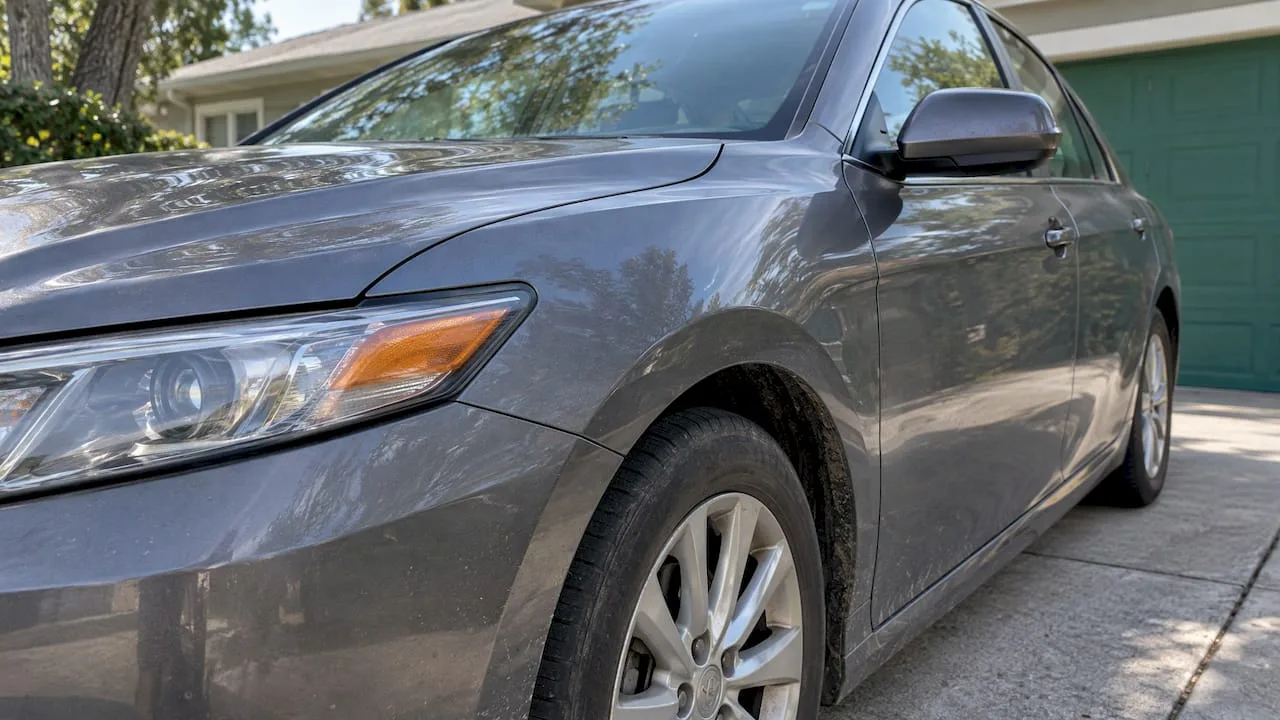
Now flip it. The report is blank on service for three years, then shows a damage entry with airbag deployment. The owner says it was "nothing." The report and the story disagree, and you have just learned something important before spending a dime on the car.
Our point of view
We buy and list used cars every week, so we read these reports constantly. Here is what we have learned: the report is where a good conversation starts, not where it ends.
At Clearwater Largo Automotive, we hand-inspect our vehicles and review history reports before a car is listed, so the shopper who walks in is not the first person to read it. Our goal is that you see the price, the history and the inspection results without having to dig for them or fight for them.
We would rather a first-time buyer ask ten questions about a report than nod politely and wonder later. Every inquiry goes to a real person, not a call center, and we will explain any line on a report that does not make sense to you.
If the car you want is not on the lot, we can source it to your specs, so you only look at cars that fit what you asked for.
CL Auto
Looking for a car with the history already checked?
If reading reports and chasing down seller answers sounds like a second job, that is the part we try to take off your plate. Our used cars are hand-inspected, priced openly on every listing with no hidden fees, and reviewed with a history report before they go up for sale.
Browse used cars for sale in Clearwater, or tell us what you need and we will find the car for you. If you want to line up payment first, our financing page explains how we work with multiple lenders. For a broader checklist, start with 9 things to check before you pay.
FAQ
Is a CARFAX report enough to buy a used car?
No. It is a strong screen, but it only reflects reported events. The FTC recommends an independent inspection before purchase, and a road test fills in what paper cannot.
Which is better, CARFAX or AutoCheck?
It depends on what you need. Edmunds found CARFAX had more detailed maintenance records, while AutoCheck costs less and adds a score comparing similar vehicles. For a car you are serious about, some buyers pull both.
Can a clean report hide accident damage?
Yes. Kelley Blue Book notes that reports show damage reported to participating sources, so a minor crash, a privately paid repair or something that happened last week may not appear. Look at panel gaps, paint match and underbody condition in person.
Are free VIN checks the same as a full report?
Not quite. Free tools like NHTSA's recall lookup and NICB's VIN service are useful for recalls and theft, flood or salvage indicators, but the FTC recommends them in addition to a paid report rather than instead of one.
How much does a vehicle history report cost?
Edmunds' 2026 table lists CARFAX at $44.99 for one report and AutoCheck at $29.99. Georgia's Attorney General puts the typical range at $25 to $40. Check the provider's site for the current price.
Sources
Kelley Blue Book: Vehicle History Report: Everything You Need to Know
FTC: Used Cars, Consumer Advice
Car and Driver: How to Read a Used Car's Vehicle History Report
Capital One: What Might Be Missing From a CARFAX Report
Capital One: CARFAX vs. AutoCheck Compared
Edmunds: AutoCheck vs. Carfax
Experian: AutoCheck Score White Paper
AutoCheck: Sample Vehicle History Report
Georgia Attorney General: Shopping for a Used Car